The best of Marioinex


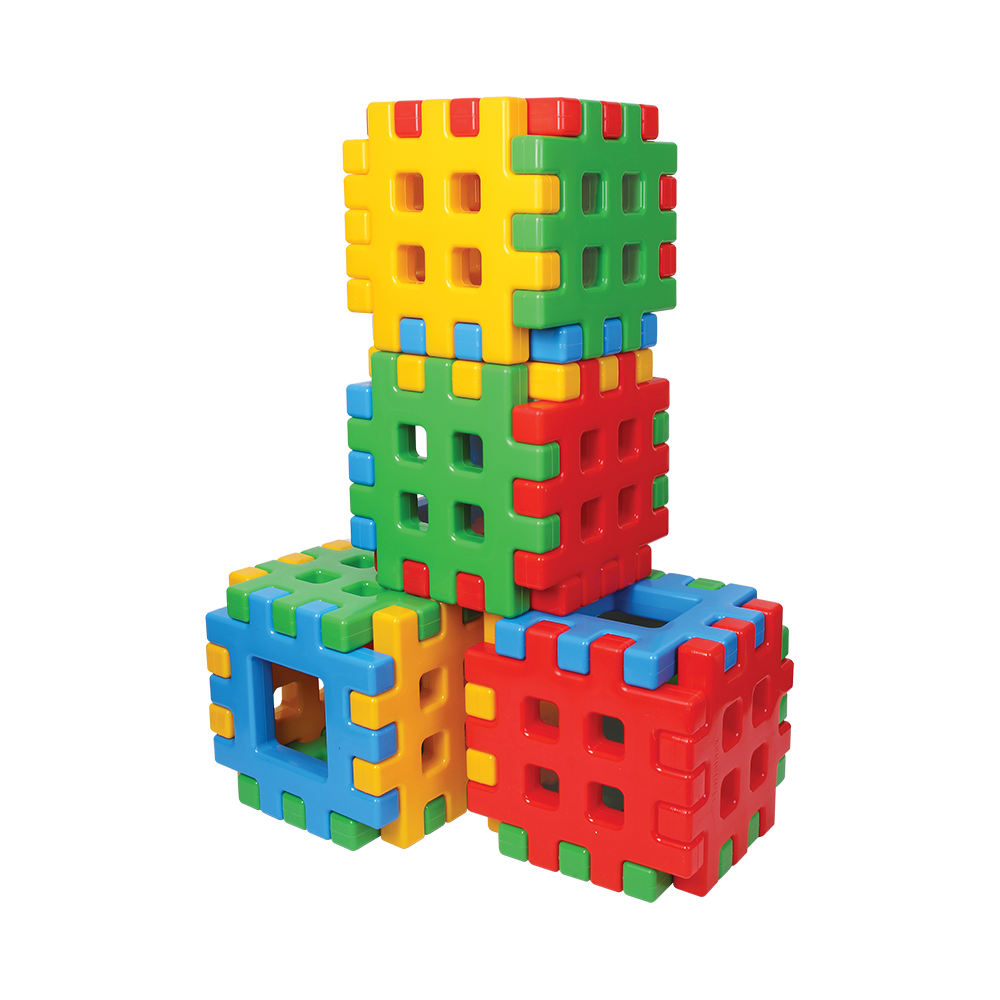
Maxi Waffle 24
Maxi Waffle
24 pcs
£176,61
Size of single piece: 31,5cm
Product code: 903599

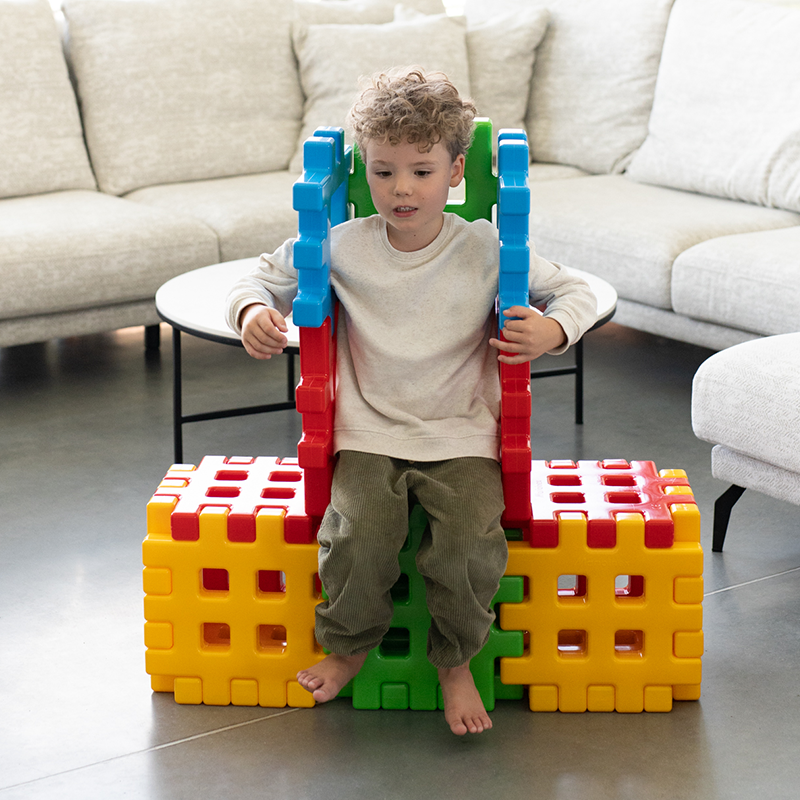
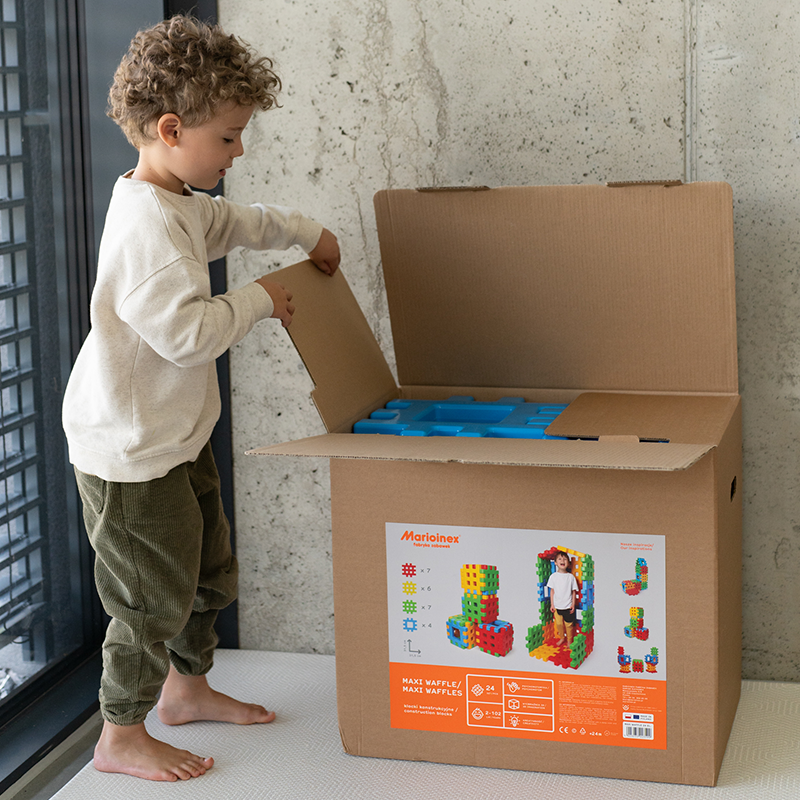
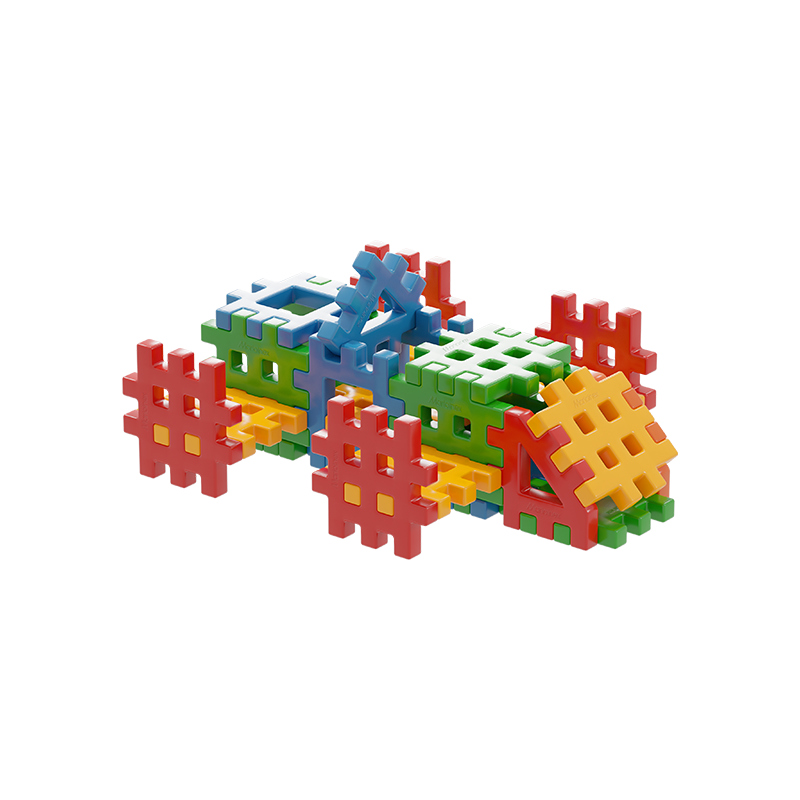
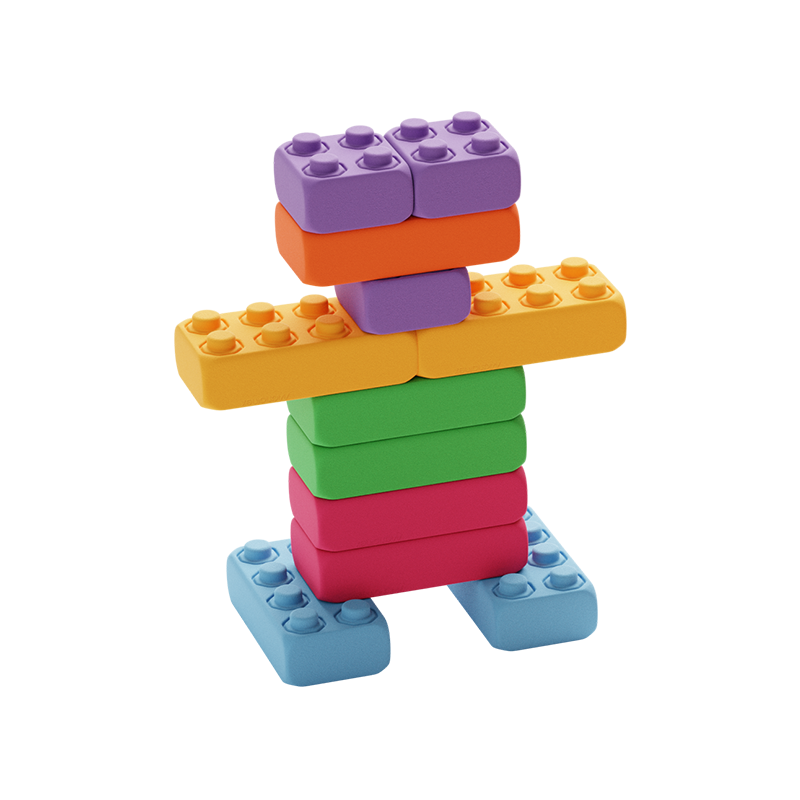
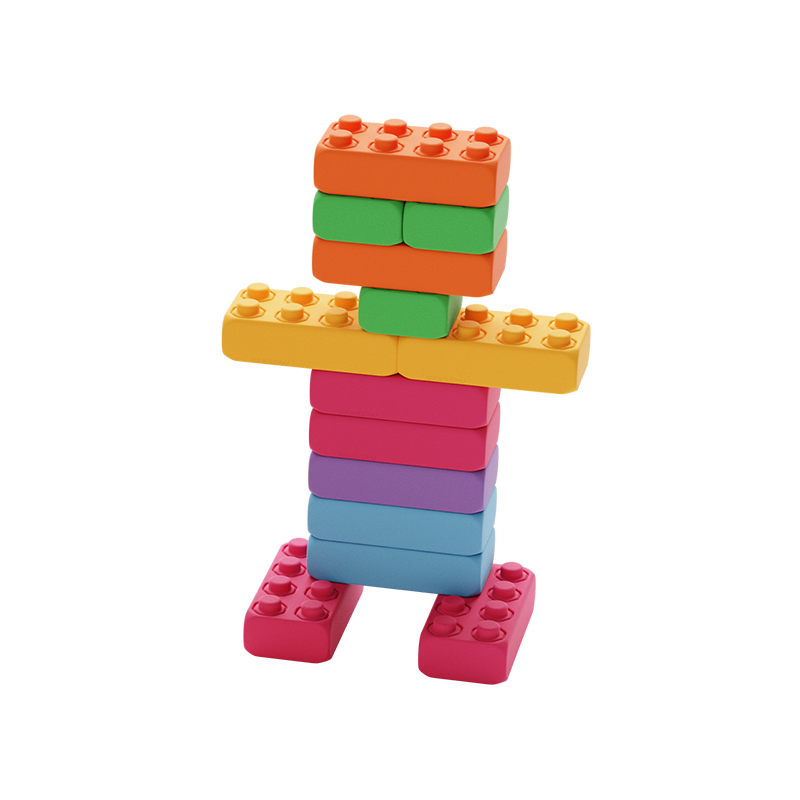
MAXI WAFFLE offers maximally joyful building fun! These gigantic blocks give children the opportunity to gain incredibly valuable experiences. The construction process is not only an attractive way to spend free time but also teaches and helps in better development. Little builders enthusiastically construct houses and hideouts, as well as treasure chests and almost life-sized “furniture”.
The set is suitable for use in both open and closed spaces. It consists of 4 basic colors and 24 elements. It develops children’s imagination, manual skills, and teaches logical thinking.
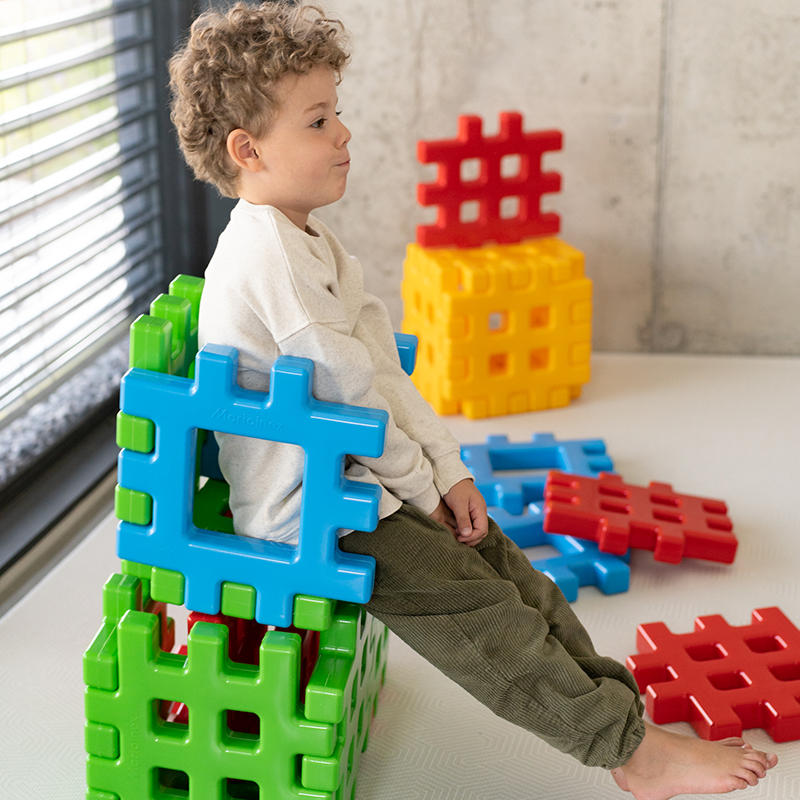
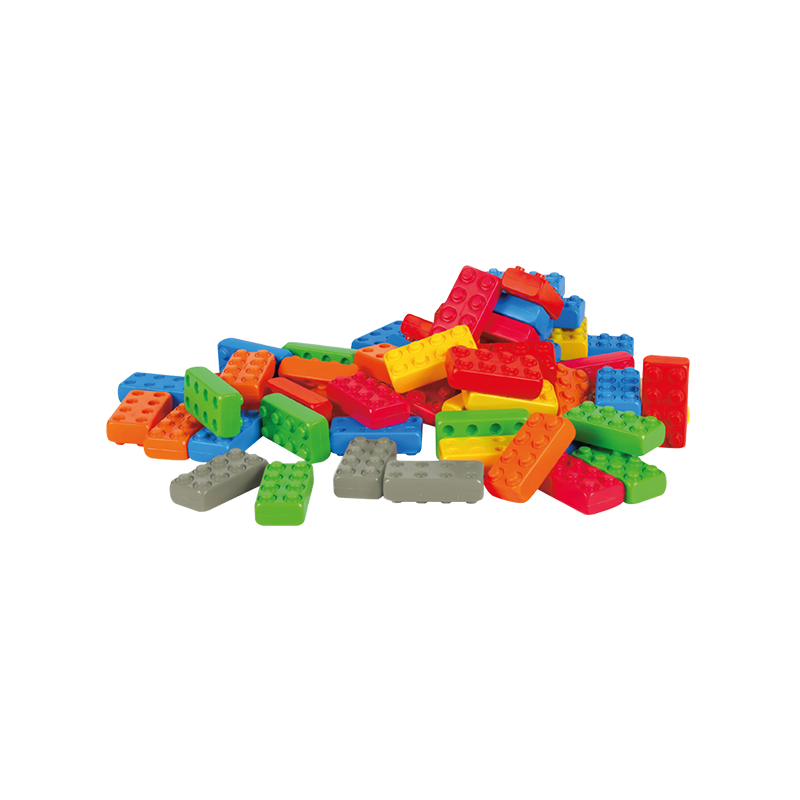
Building Bricks 16
Building Bricks
16 pcs
£82,48
Size of smallest single piece: 15,5x9,5cm
Product code: 908013
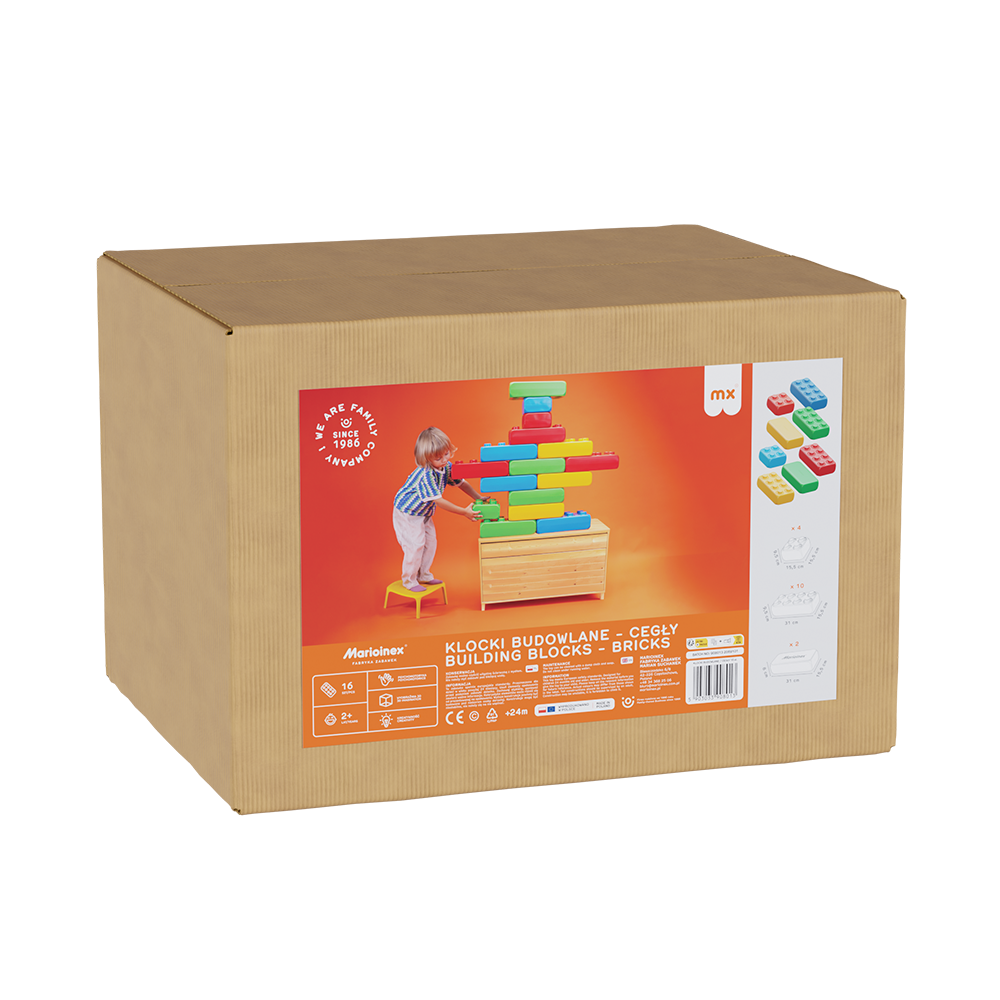
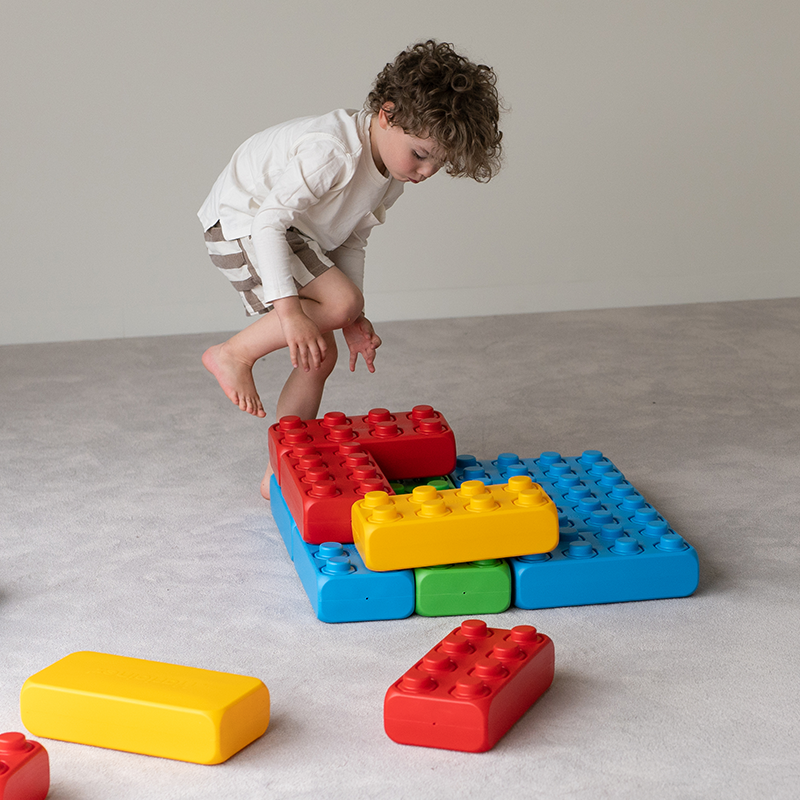
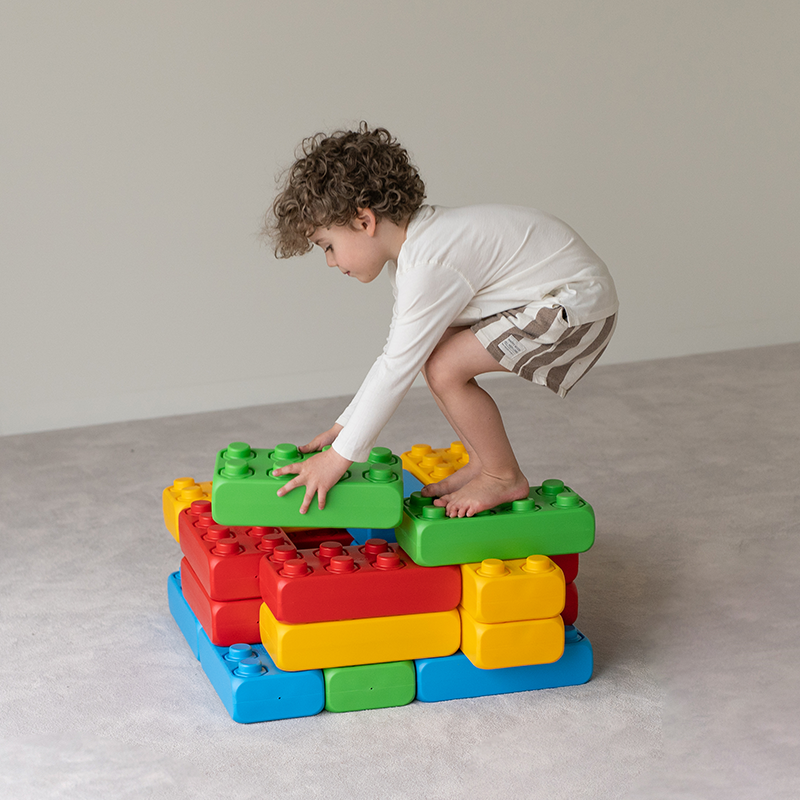
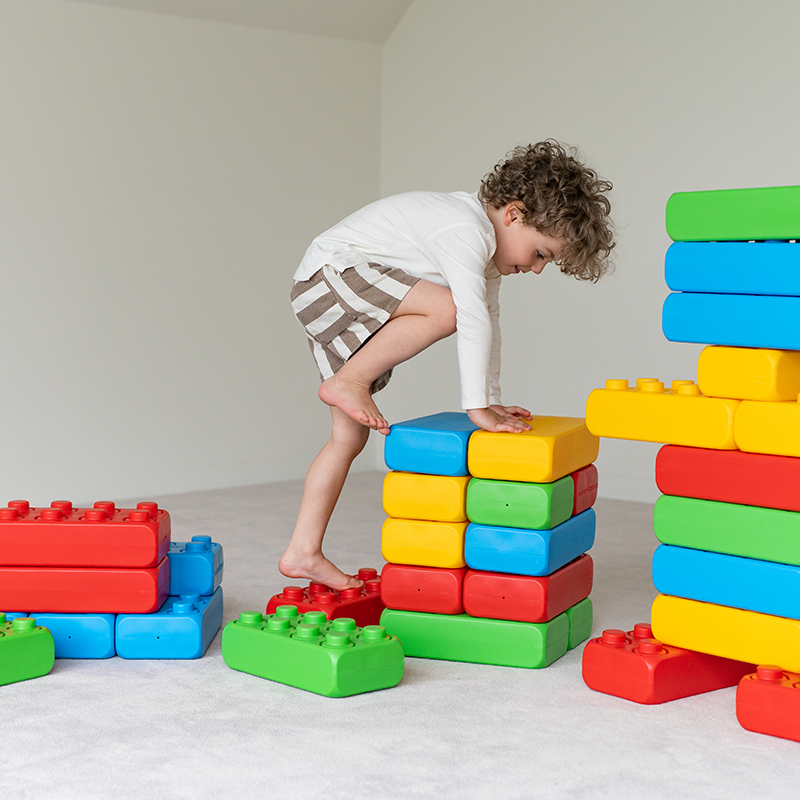
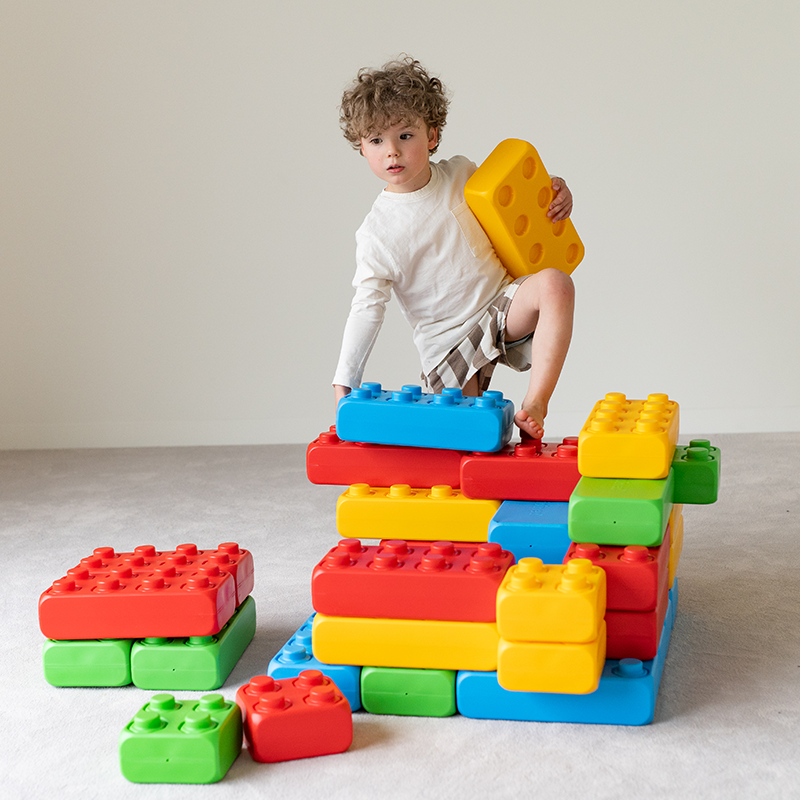
Building a house that one can enter is a dream of every child, both small and big. Now, this is entirely possible. A tower taller than its builder? Certainly! A real wall made of blocks? Nothing simpler! A sandbox of your own design? Just reach for the BUILDING BRICKS from the MARIOINEX series!
The set includes 16 gigantic blocks in 3 shapes, which give little builders immense joy, while developing creativity, spatial imagination, visual-motor coordination, teaching logical thinking, and supporting teamwork.
The blocks are extremely durable, allowing children to enjoy unrestricted play. They can walk on them, sit on them, and subject them to countless durability tests. They are suitable not only for home use but also outdoors, and as an enrichment for preschool activities
Building Bricks 33
Building Bricks
33 pcs
£152,30
Size of smallest single piece: 15,5x9,5cm
Product code: 901304
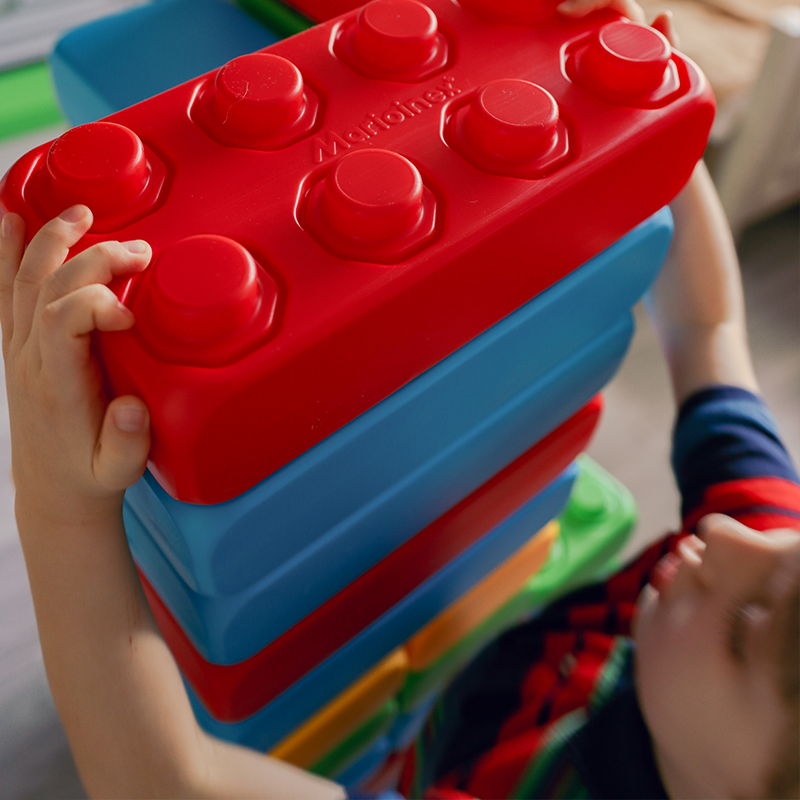
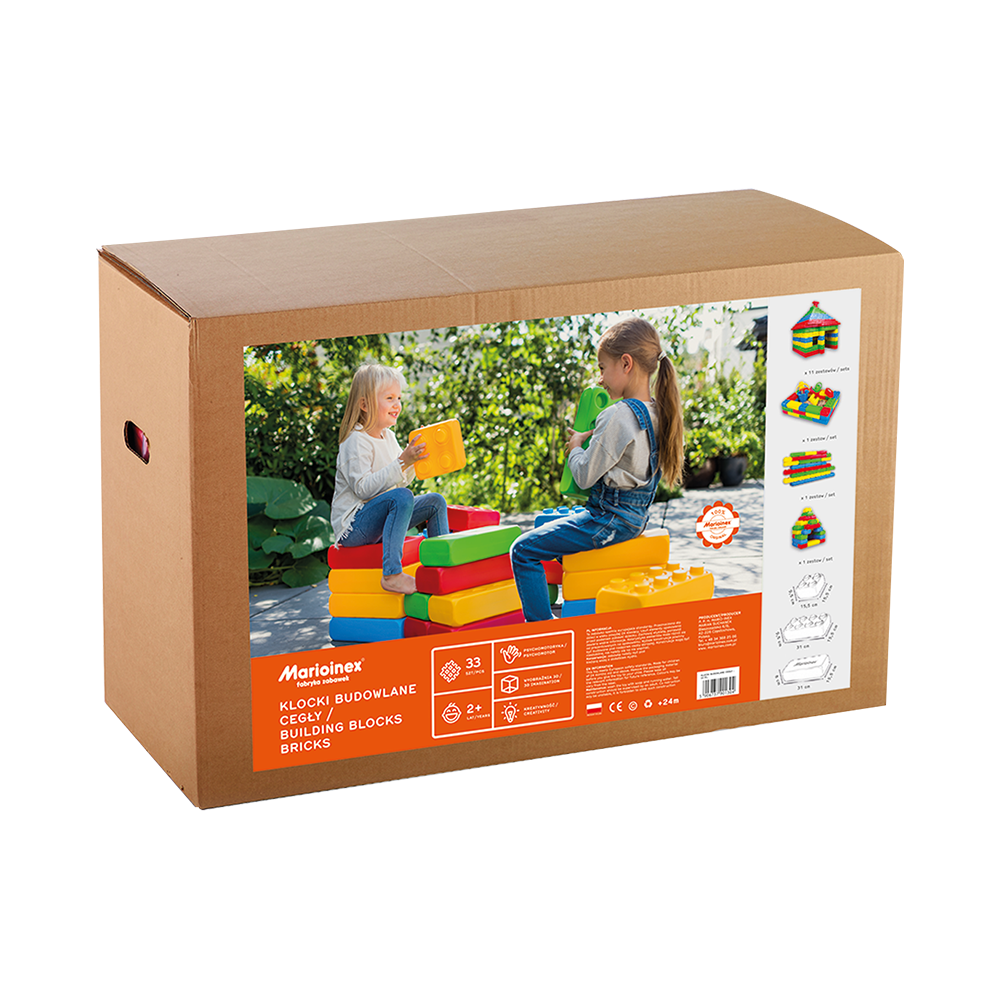
Building a house that one can enter is a dream of every child, both small and big. Now, this is entirely possible. A tower taller than its builder? Certainly! A real wall made of blocks? Nothing simpler! A sandbox of your own design? Just reach for the BUILDING BRICKS from the MARIOINEX series!
The set includes 33 gigantic blocks in 3 shapes, which give little builders immense joy, while developing creativity, spatial imagination, visual-motor coordination, teaching logical thinking, and supporting teamwork.
The blocks are extremely durable, allowing children to enjoy unrestricted play. They can walk on them, sit on them, and subject them to countless durability tests. They are suitable not only for home use but also outdoors, and as an enrichment for preschool activities.
Maxi Waffle 32
Maxi Waffle
32 pcs
£262,06
Size of single piece: 31,5cm
Product code: 903063
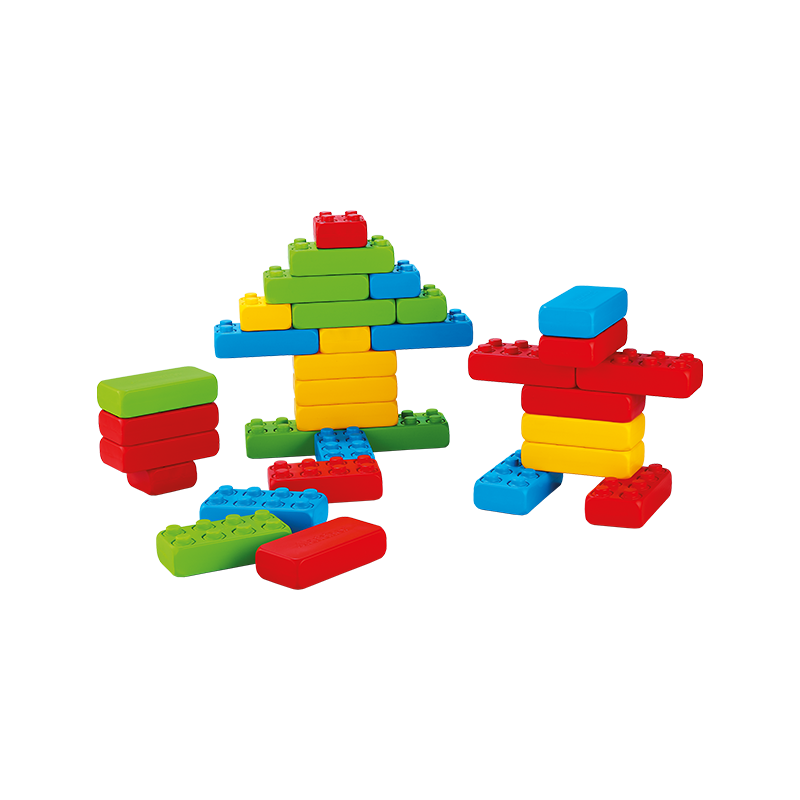
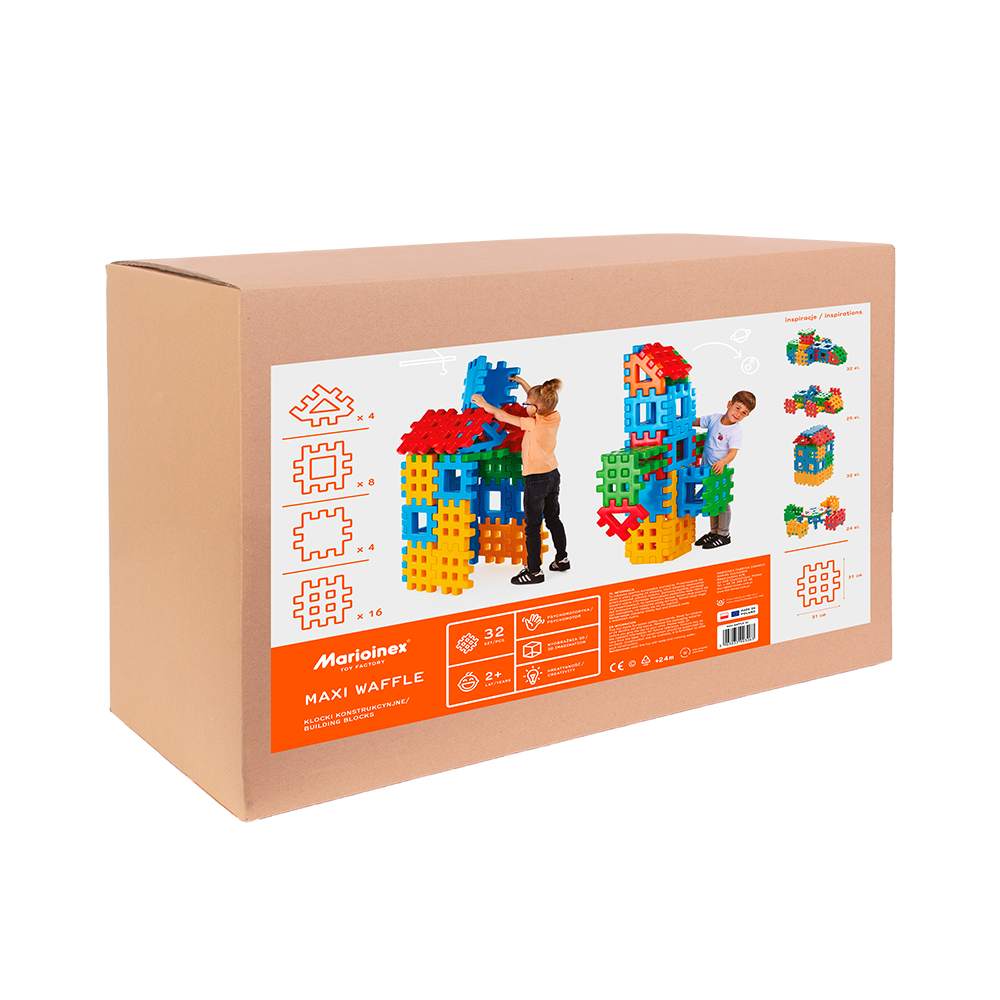
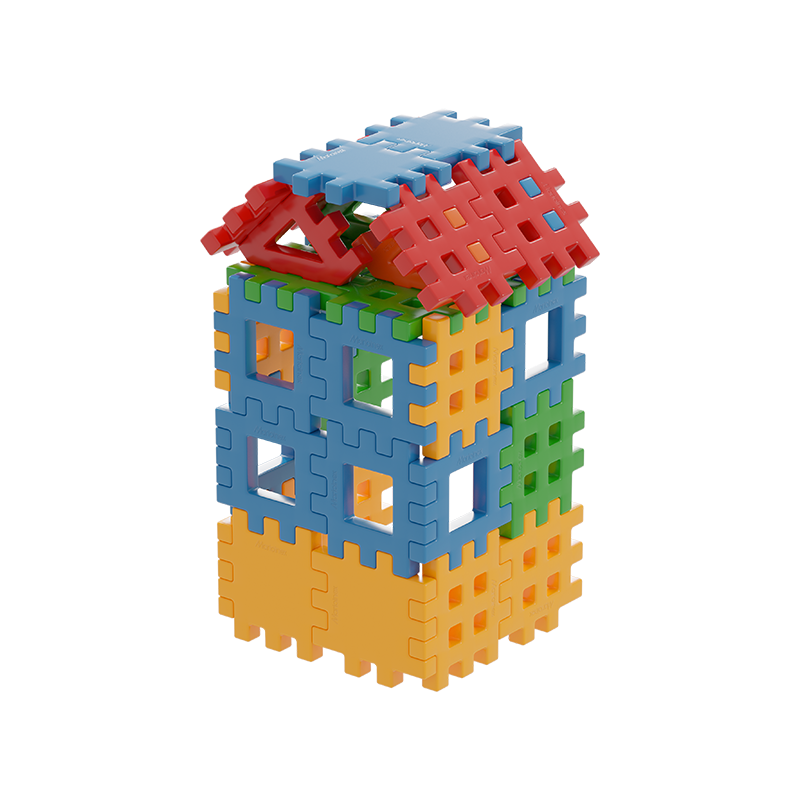
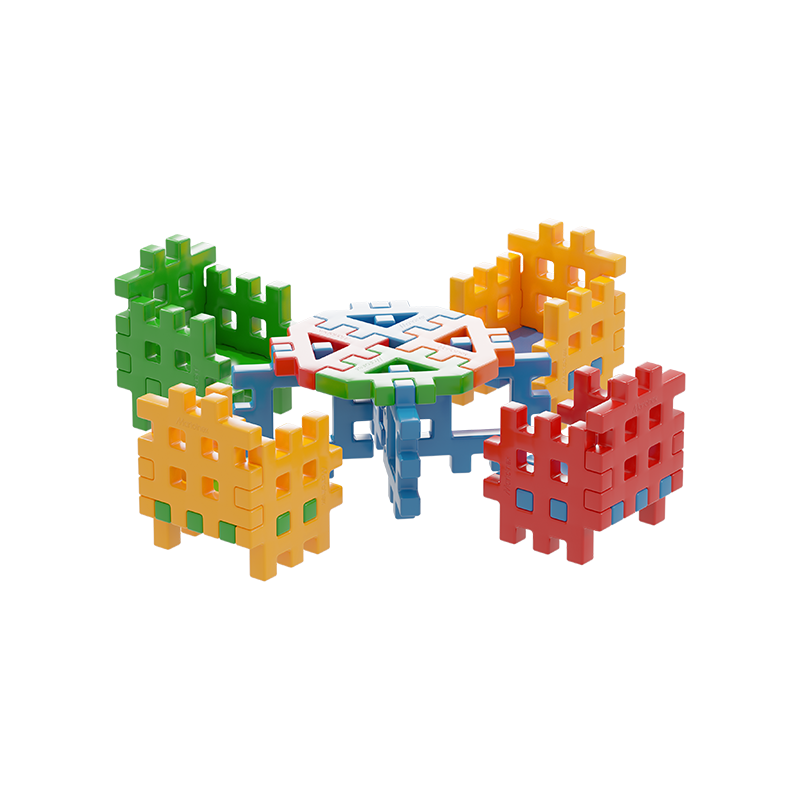
MAXI WAFFLE is the ultimate fun in building! These gigantic blocks give children the opportunity to gain incredibly valuable experiences. The construction process is not only an attractive way to spend free time but also teaches and helps in better development. Little builders enthusiastically construct houses and hideouts, as well as treasure chests and almost life-sized “furniture”.
The set is suitable for use in both open and closed spaces. It consists of 4 basic colors and 32 elements. It develops children’s imagination, manual skills, and teaches logical thinking.
Check out Marioinex's product range
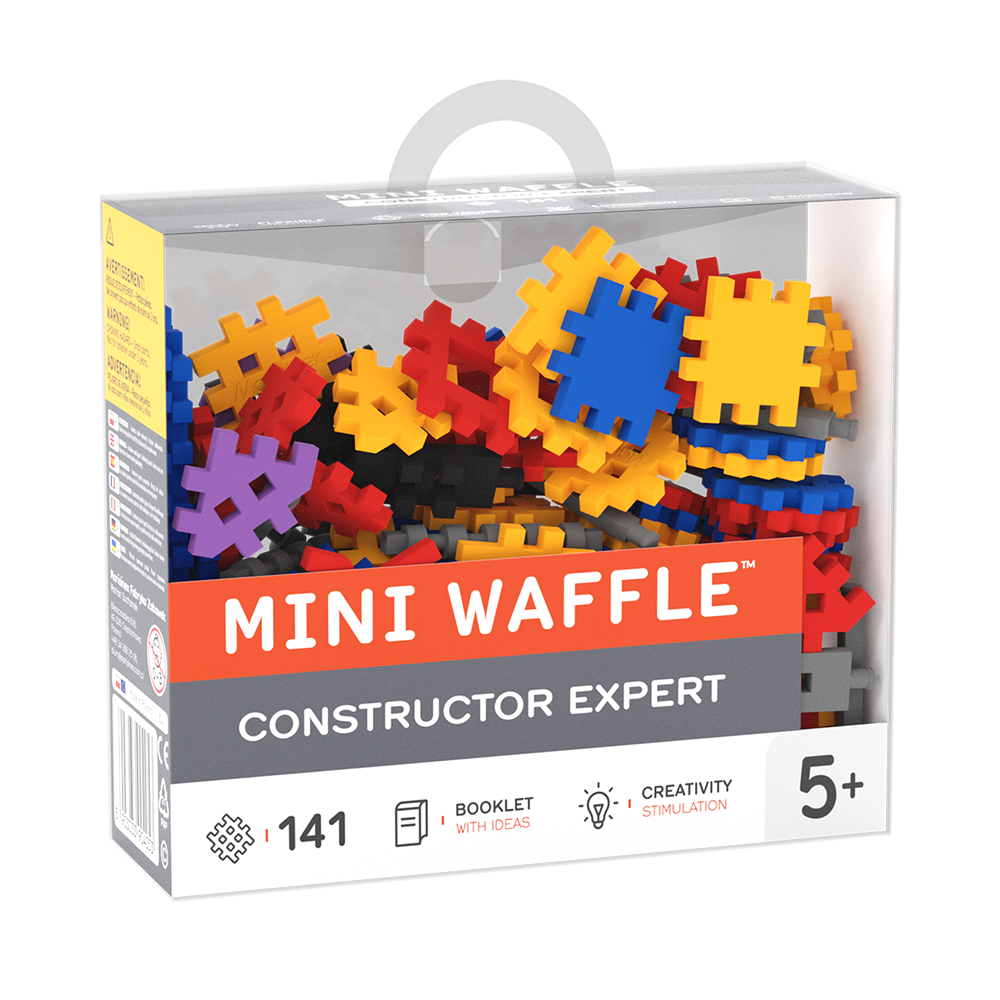
Mini Waffle
Constructor Expert 141
Mini Waffle
Constructor Expert
141 pcs
£23,06
Size of single piece: 3,5cm
Product code: 904053

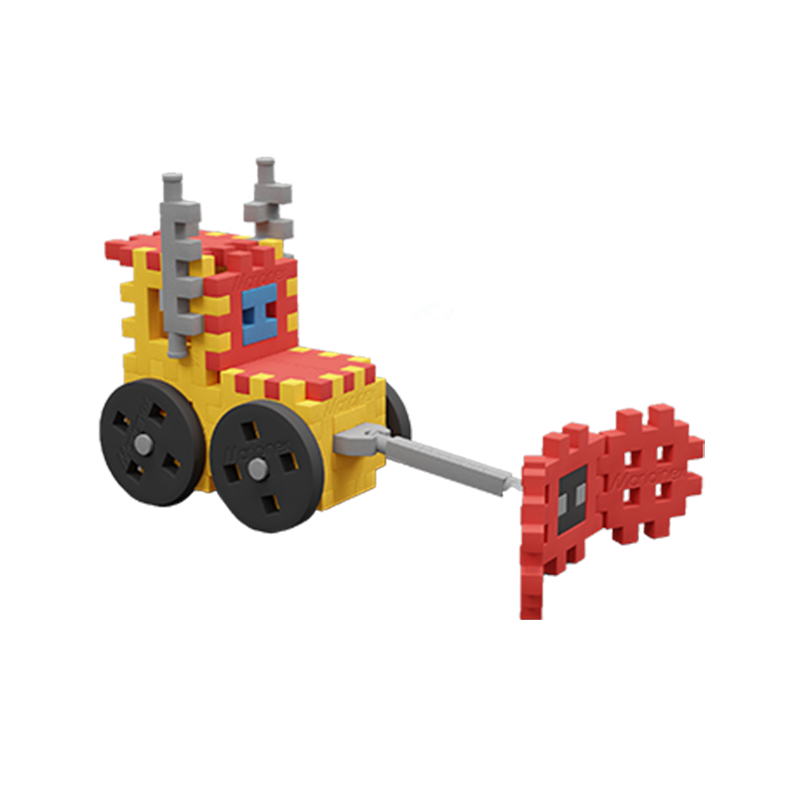
Blocks for young (and older!) construction enthusiasts. Mini Waffle Constructor Expert 141 is a set that makes building possibilities almost unlimited! The variety of shapes of elements with special applications and their large number allow for the creation of three-dimensional shapes of vehicles, buildings, and characters according to the instructions included in the set. Your child, with enthusiasm and the skill of a true expert, will construct a house, windmill, airplane, train, or helicopter. And if they wish, they can create any form using only their imagination! It develops children’s imagination, manual skills, and teaches logical thinking.

Waffle 170
in a box
Waffle
170 in a Box
£58,97
Size of single piece: 10,2cm
Product code: 900284
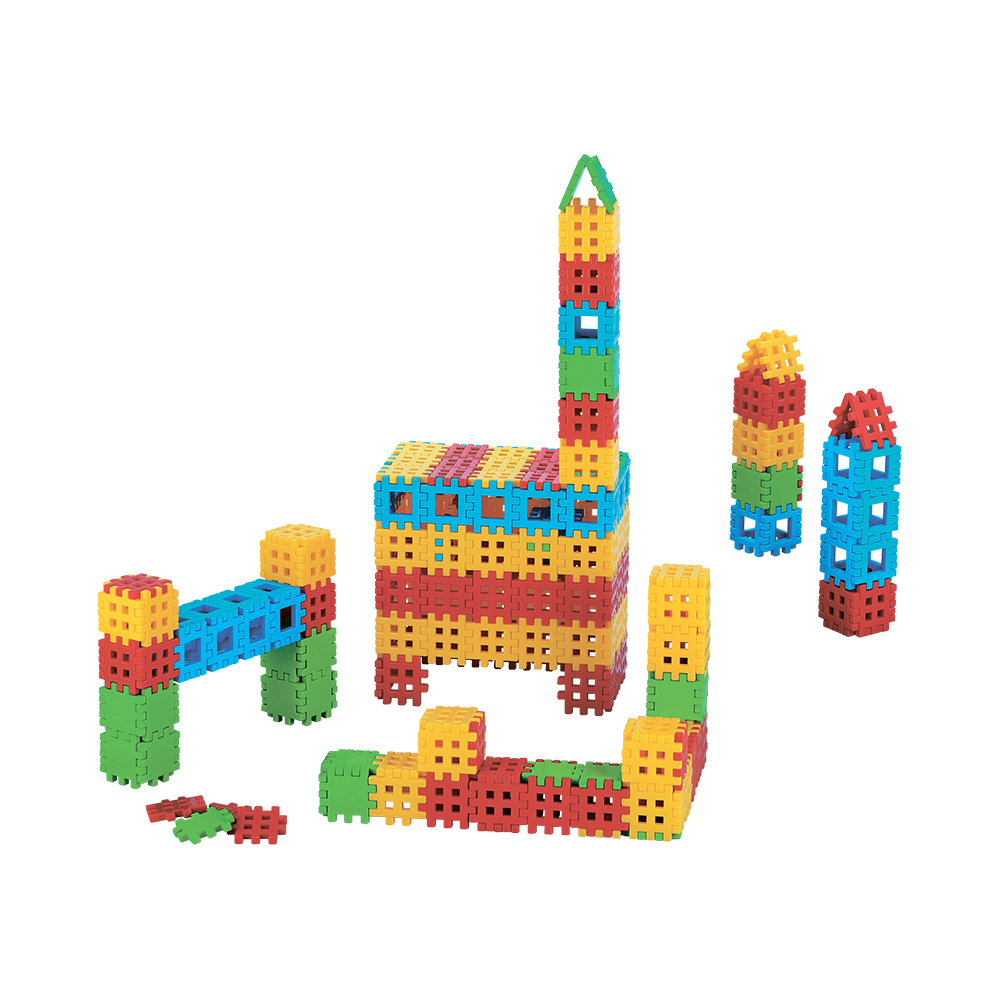
What could be in the box? A cat? No. Let’s think again… How about 170 blocks from the Waffle series, from which you can build whatever you want? A castle? Check! A rocket? Certainly! Something-that-doesn’t-resemble-anything-familiar? Absolutely! You are the builder here, you are the ruler of the blocks. But first, you need to have them!
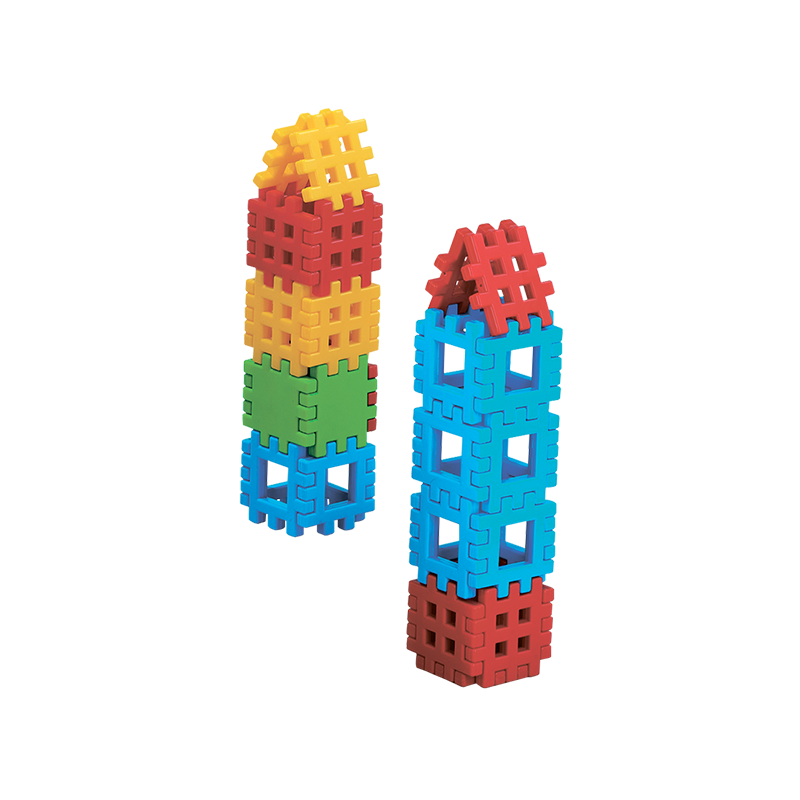
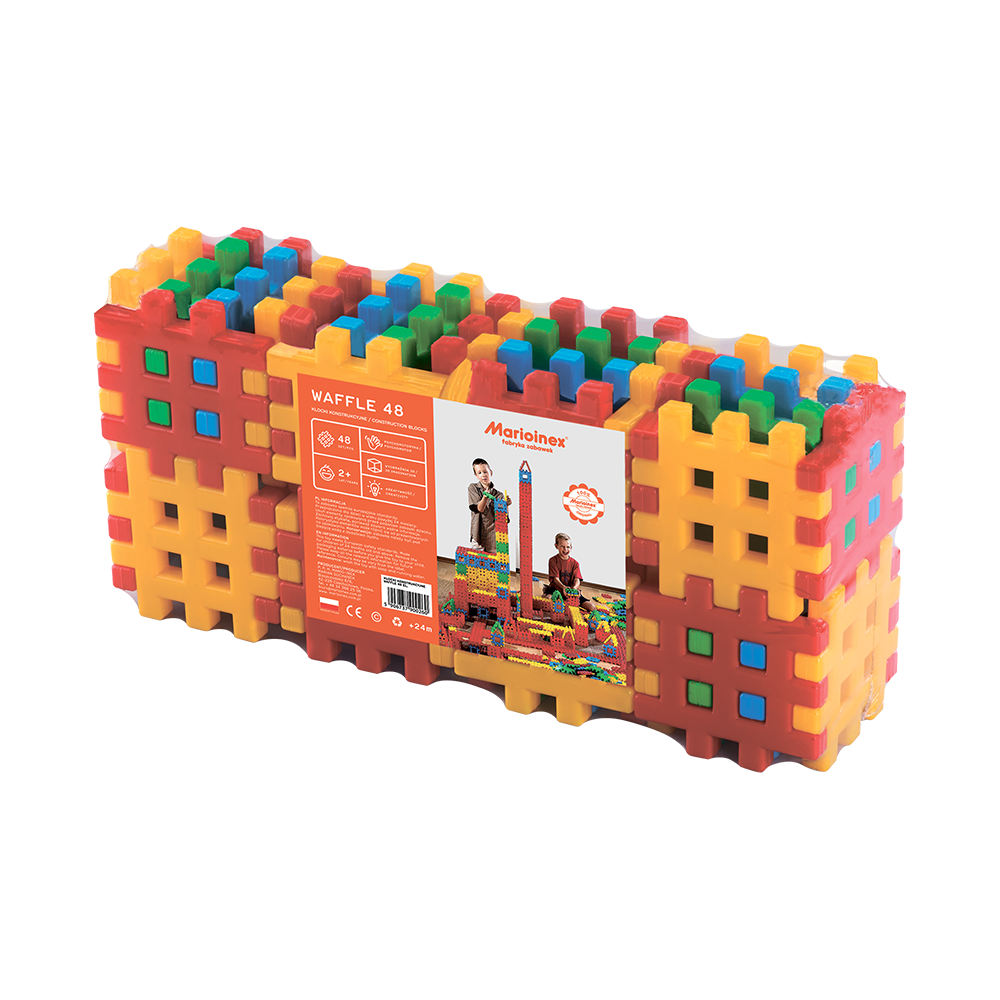
Waffle 48
Waffle
48 pcs
£15,15
Size of single piece: 10,2cm
Product code: 900260
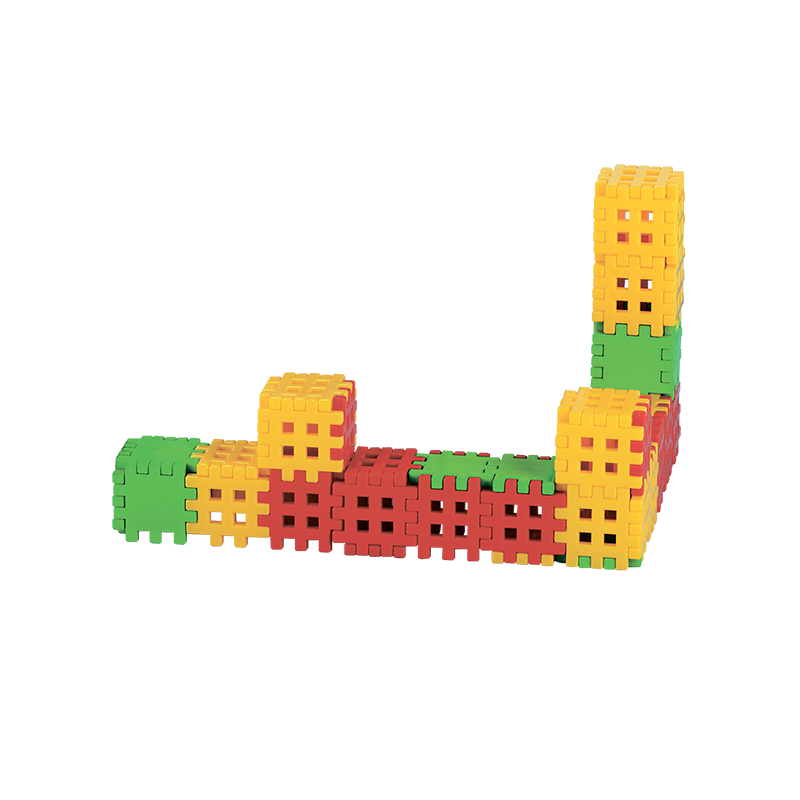
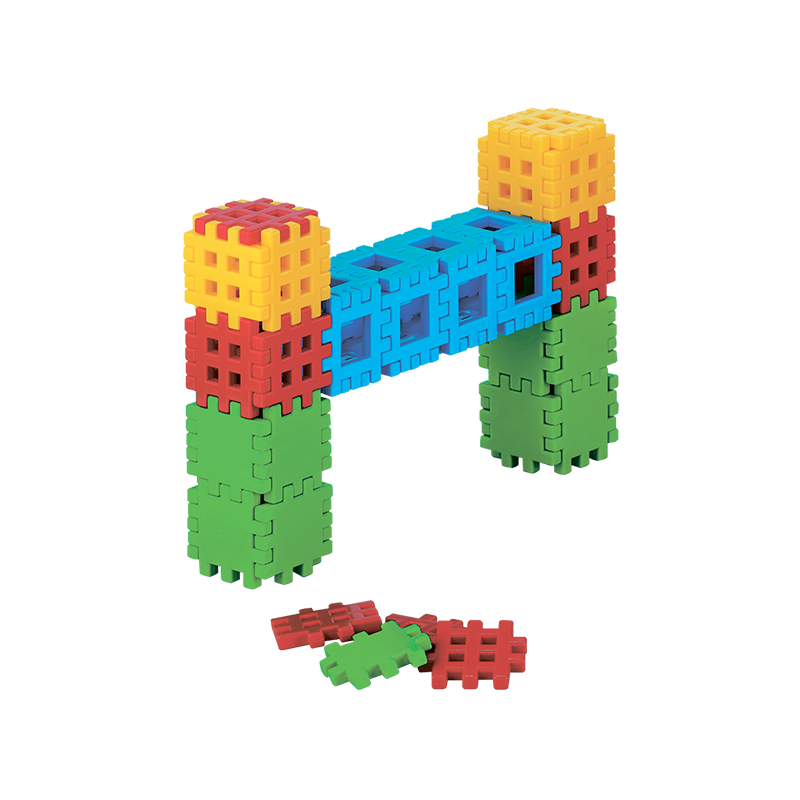
We won’t suggest what you can do with these blocks. Why? Because you know best! You can see it already, right? Those unstoppable thoughts are swirling, a hundred ideas per second, correct? Of course, it’s correct! Now, take the blocks in hand and fulfill dreams in the enchanted world of childhood, where something is both a block and something much, much more…
Marioinex – Safe Blocks for Children
Marioinex blocks are designed to be as friendly and safe for children as possible. They are made from a flexible, soft, and pleasant-to-touch material. Their shape has been perfectly adapted to the shape and size of children’s hands, and the colors used are gentle and pleasing to the eye. They have won awards in competitions such as “Toy of the Year” and “Child-Friendly World.”
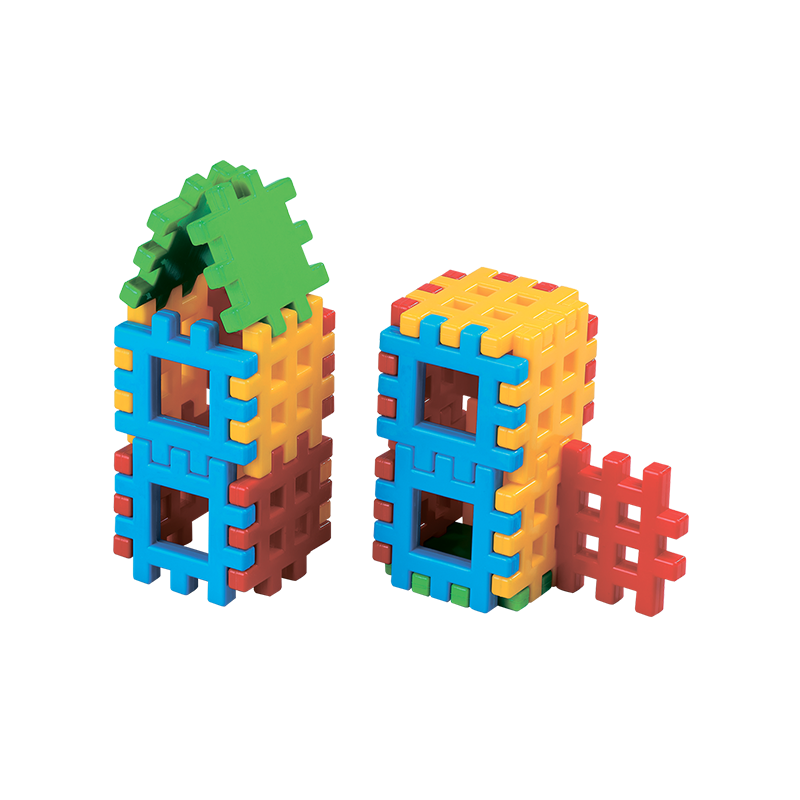
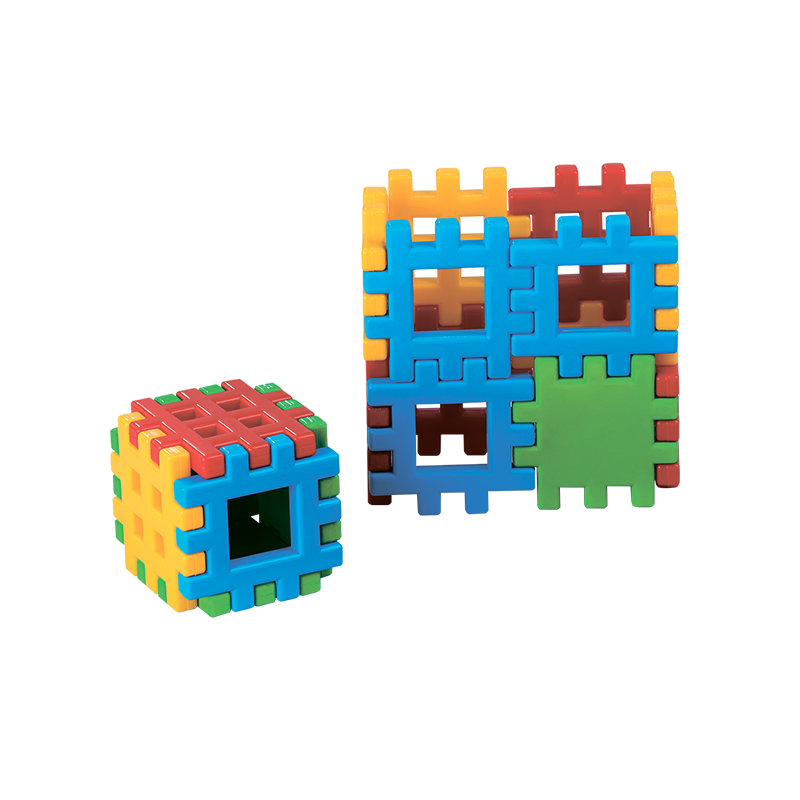
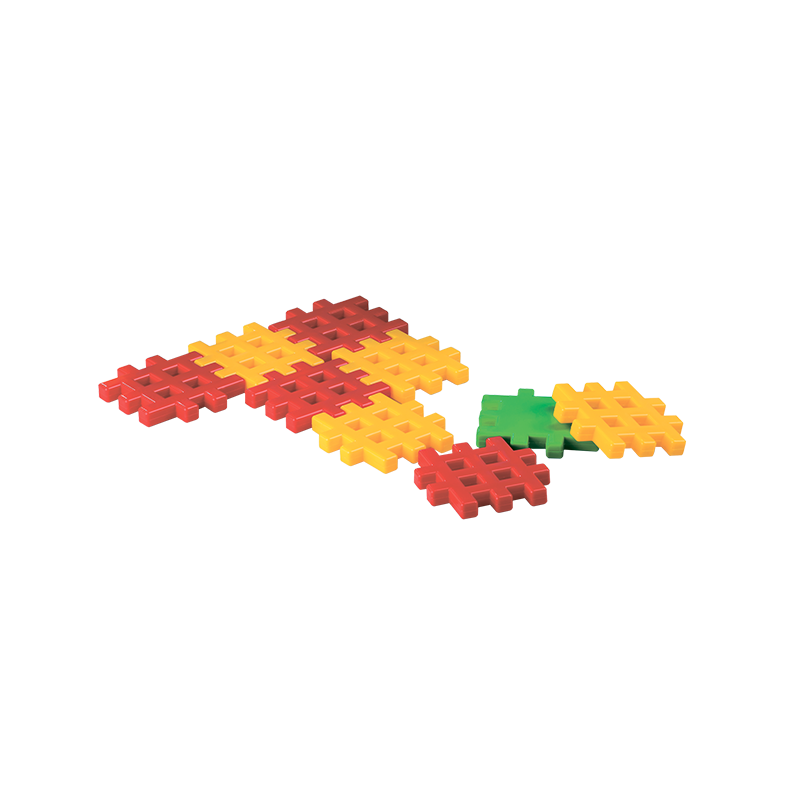
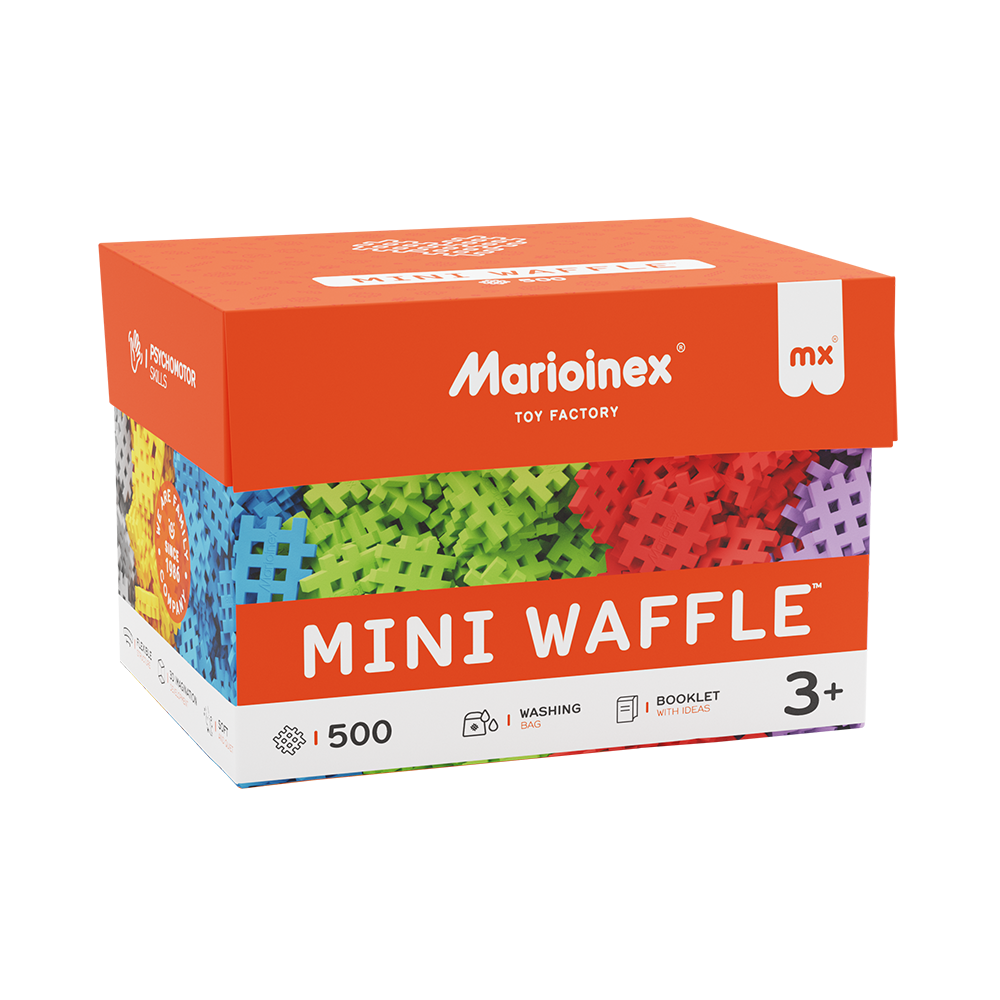
Mini Waffle
Standard 500
Mini Waffle
Standard 500 pcs
£73,19
Size of single piece: 3,5cm
Product code: 902141

Blocks for which there are no limits other than imagination! Give your child countless hours spent on creative play in constructing characters, objects, and everything they can dream of. The included instruction inspires the building of attractive forms for children. The set consists of as many as 500 pieces. It develops children’s imagination, manual skills, and teaches logical thinking.
Marioinex – Safe Blocks for Children
Marioinex blocks are designed to be as friendly and safe for children as possible. They are made of flexible, soft, and pleasant-to-touch material. Their shape has been perfectly adapted to the shape and size of children’s hands, and the colors used are mild and pleasant to the eye.


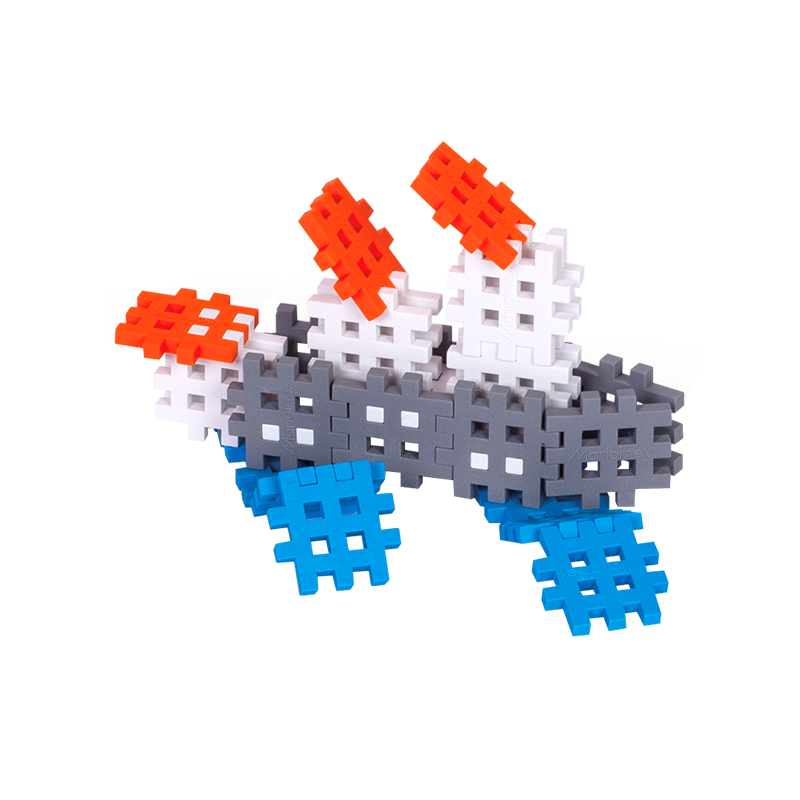
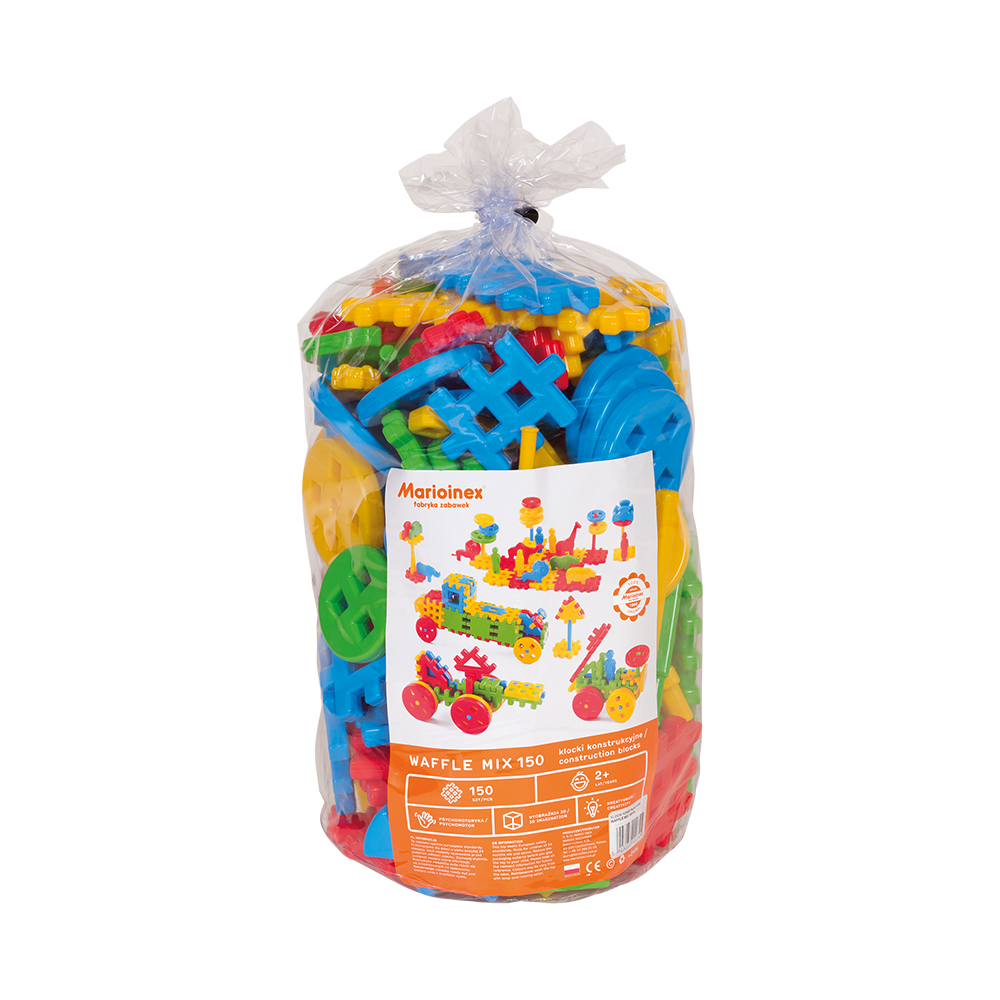
Waffle mix 150
Waffle
mix 150 pcs
£45,40
Size of single piece: 10,2cm
Product code: 900345
Working in a wildlife reserve is not easy, but what wouldn’t you do to save wild nature and endangered species! With enthusiasm, you build a sanctuary for hippos and rhinos. You protect elephants from poachers. You don’t mind the heat, because you love animals and hope that what you do will make the world a better and more beautiful place!
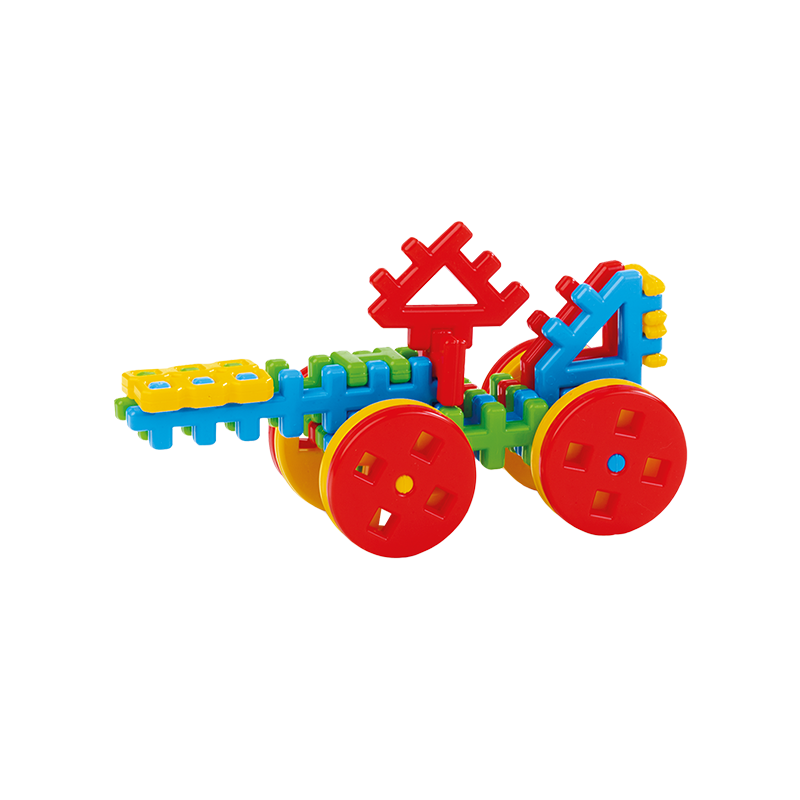
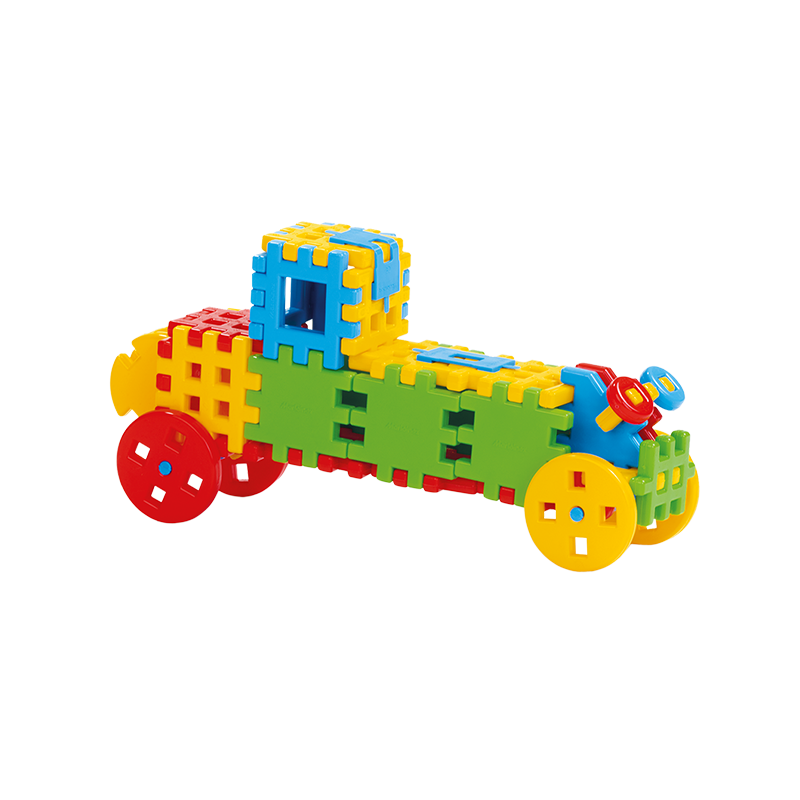
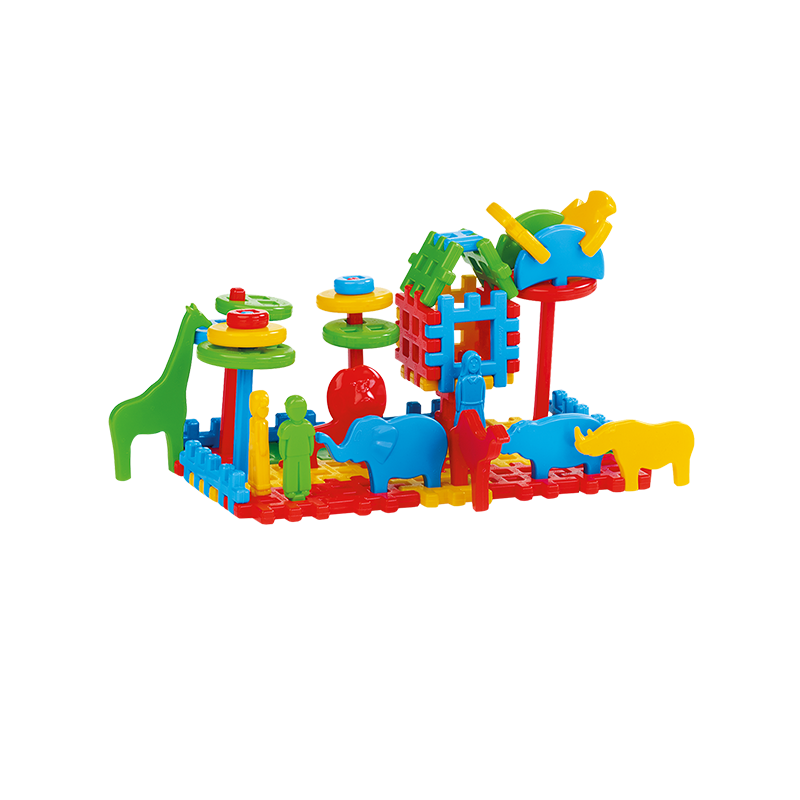
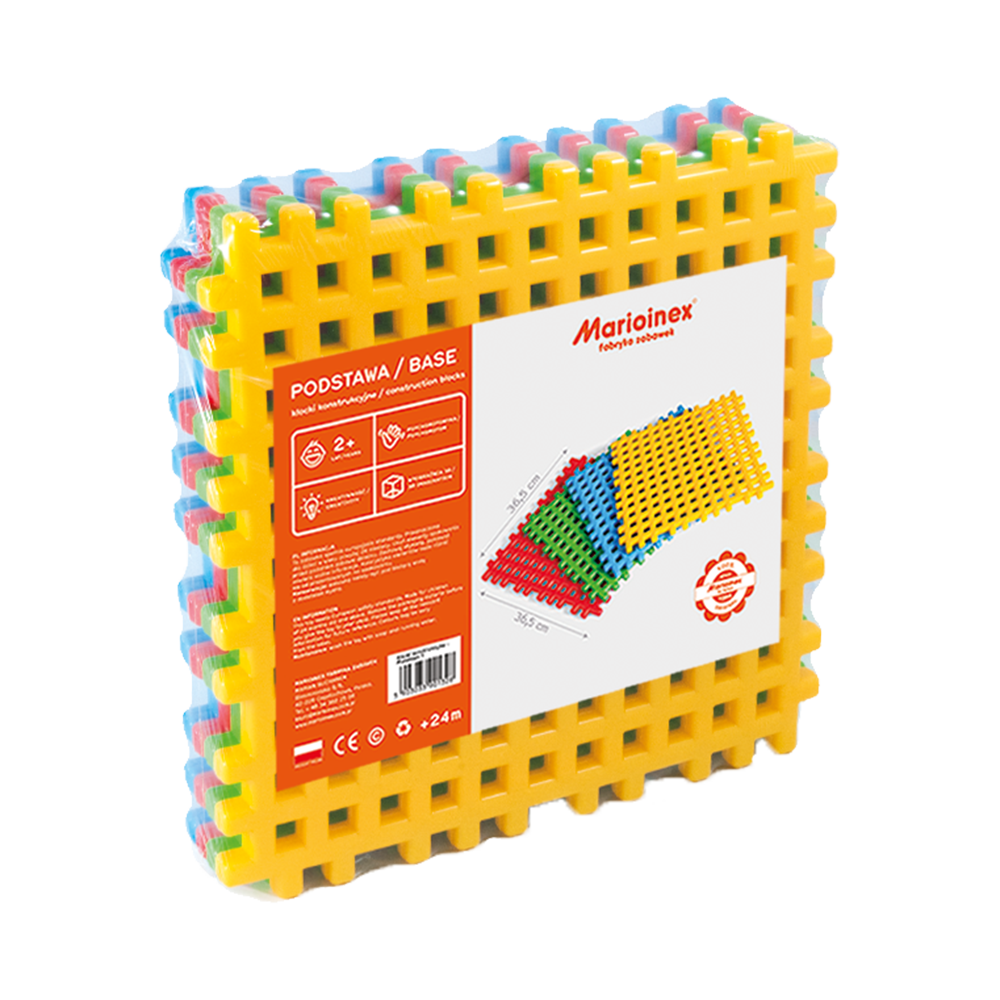
Waffle Base: 4 pcs
Waffle
Base: 4 pcs
£19,65
Size of single piece: 36,5cm
Product code: 901076
There are basics that literally everyone should know. What are we talking about? The bases for the Mini Waffle series blocks, of course! If you already have blocks from this series, be sure to get four colorful bases and take your construction to the next level. Create cubes or flat models on which you will erect as fanciful buildings as you can dream of!
Marioinex – safe toys for children
Marioinex blocks are designed to be as friendly and safe for children as possible. They are made of flexible, soft, and pleasant-to-touch material. Their shape has been perfectly adapted to the shape and size of children’s hands, and the colors used are gentle and pleasing to the eye. They have won awards in competitions such as “Toy of the Year” or “Child-Friendly World.”

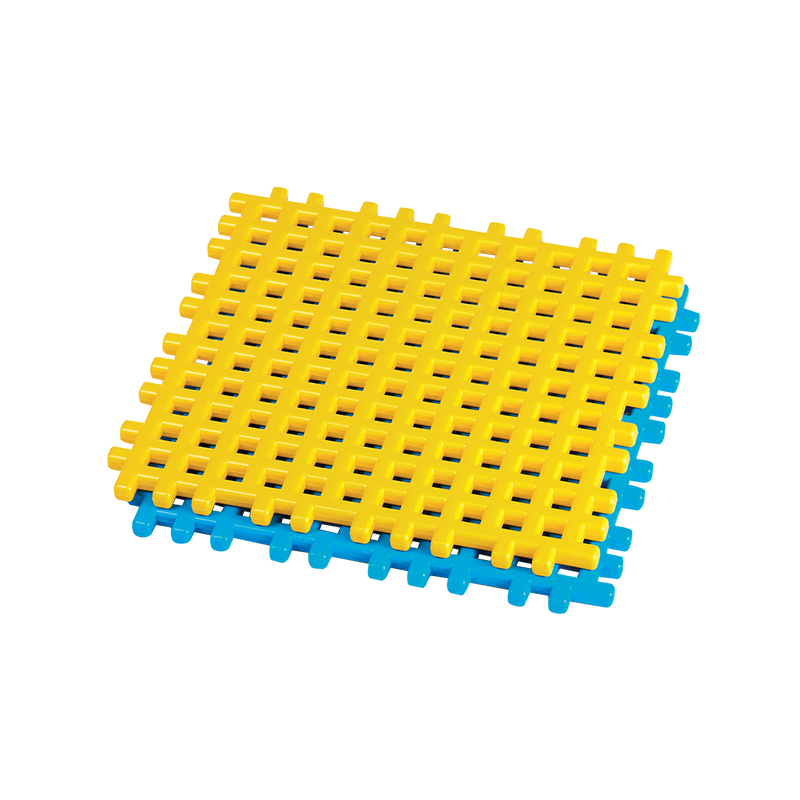

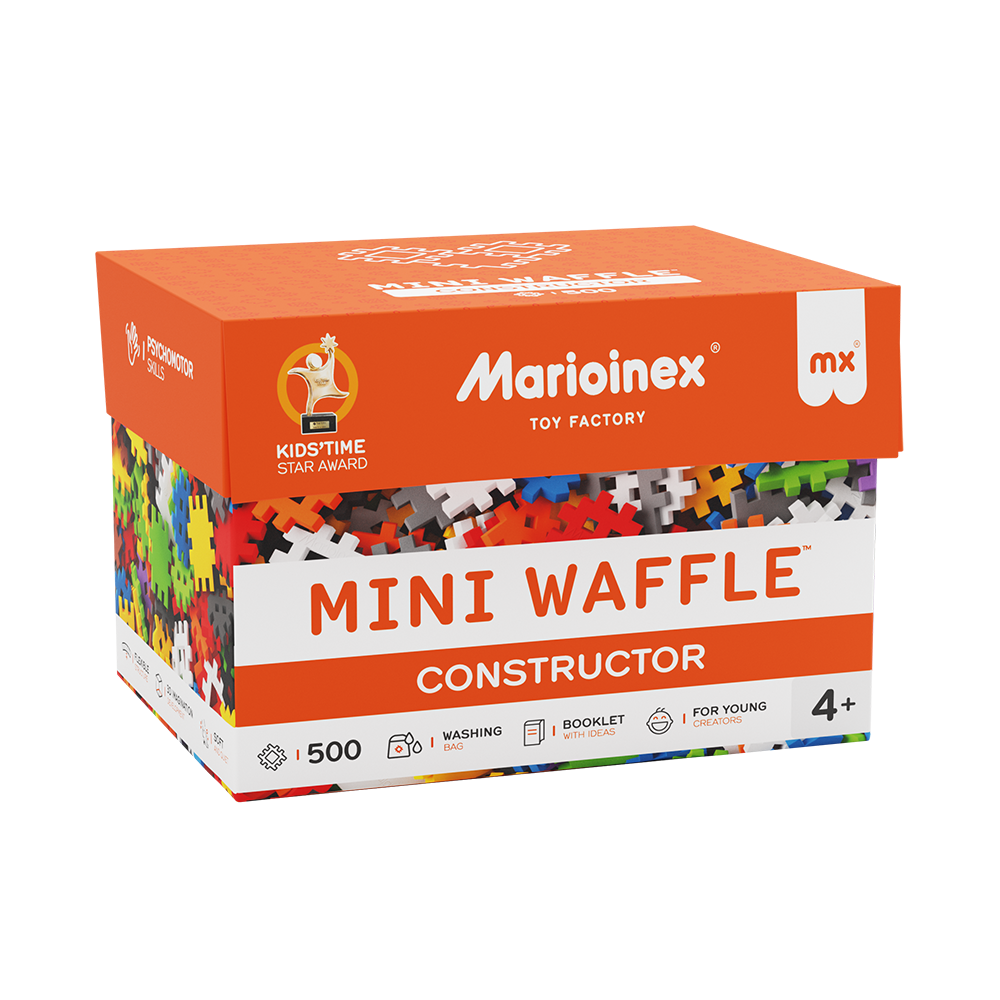
Mini Waffle Constructor 500
Mini Waffle
Constructor 500
£73,19
Size of single piece: 3,5cm
Product code: 902288

The Mini Waffle Constructor 500 set is a treasure trove of creativity for your child, offering countless hours of valuable, imaginative play. Prepare to be amazed by your child’s inventiveness and focus during the building process. This set includes 10 brand new elements, expanding the construction possibilities even further. An included instruction manual inspires the creation of attractive forms for children. Comprising a whopping 500 pieces, this set nurtures a child’s imagination, manual skills, and logical thinking.
Marioinex – Safe Blocks for Children
Marioinex blocks are designed to be as friendly and safe for children as possible. Made from flexible, soft, and tactile materials, their shape is perfectly tailored to fit the size and form of children’s hands, while the colors used are gentle and pleasing to the eye.
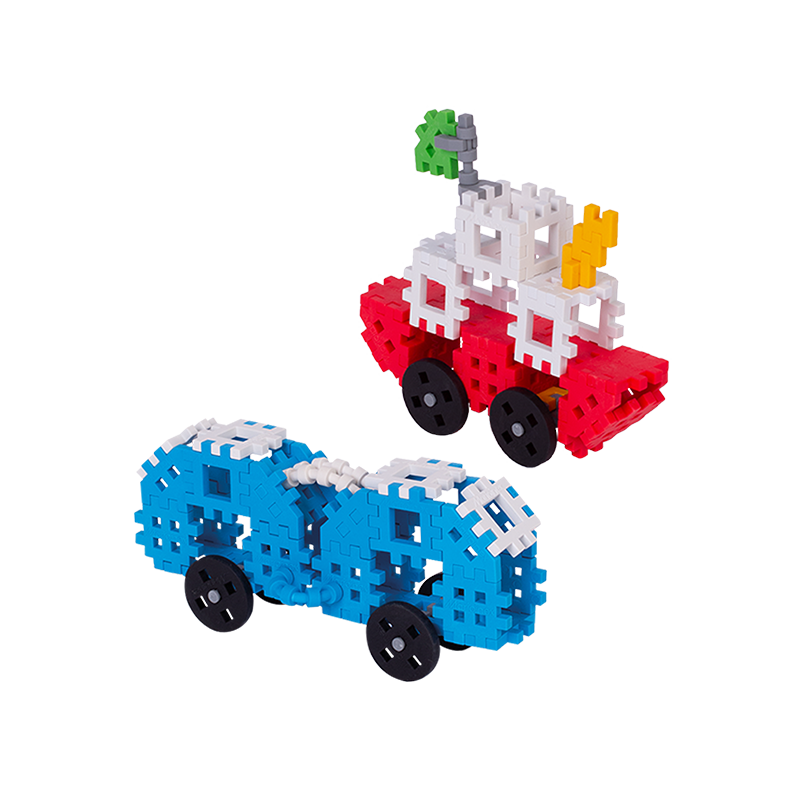
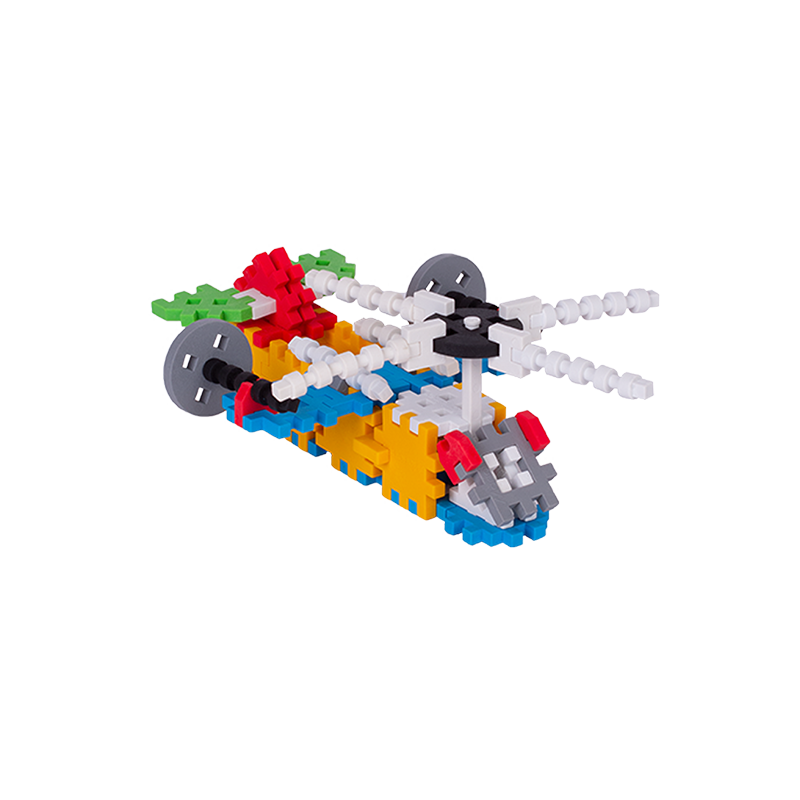
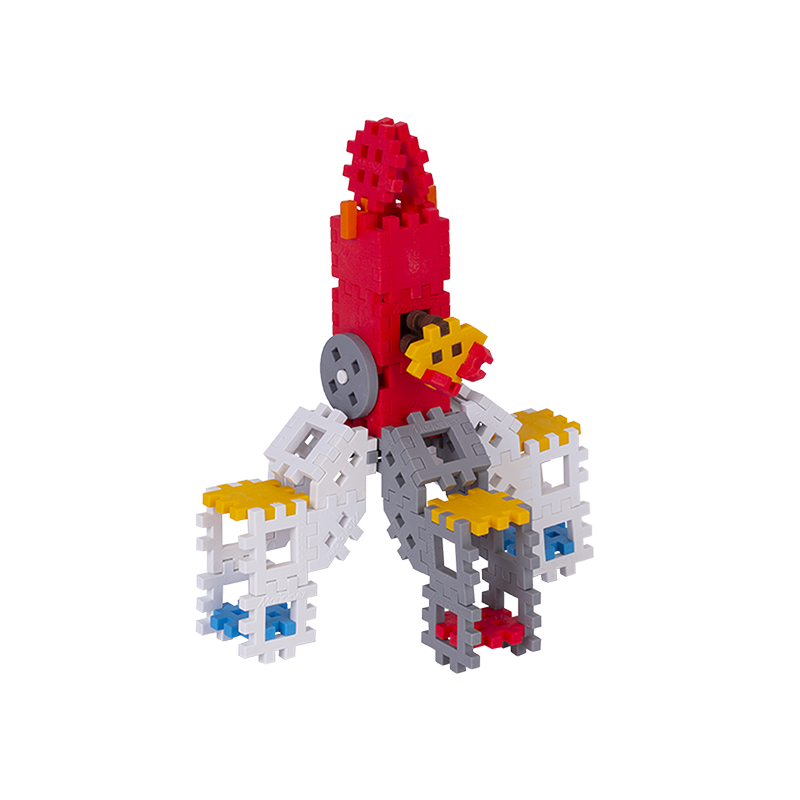
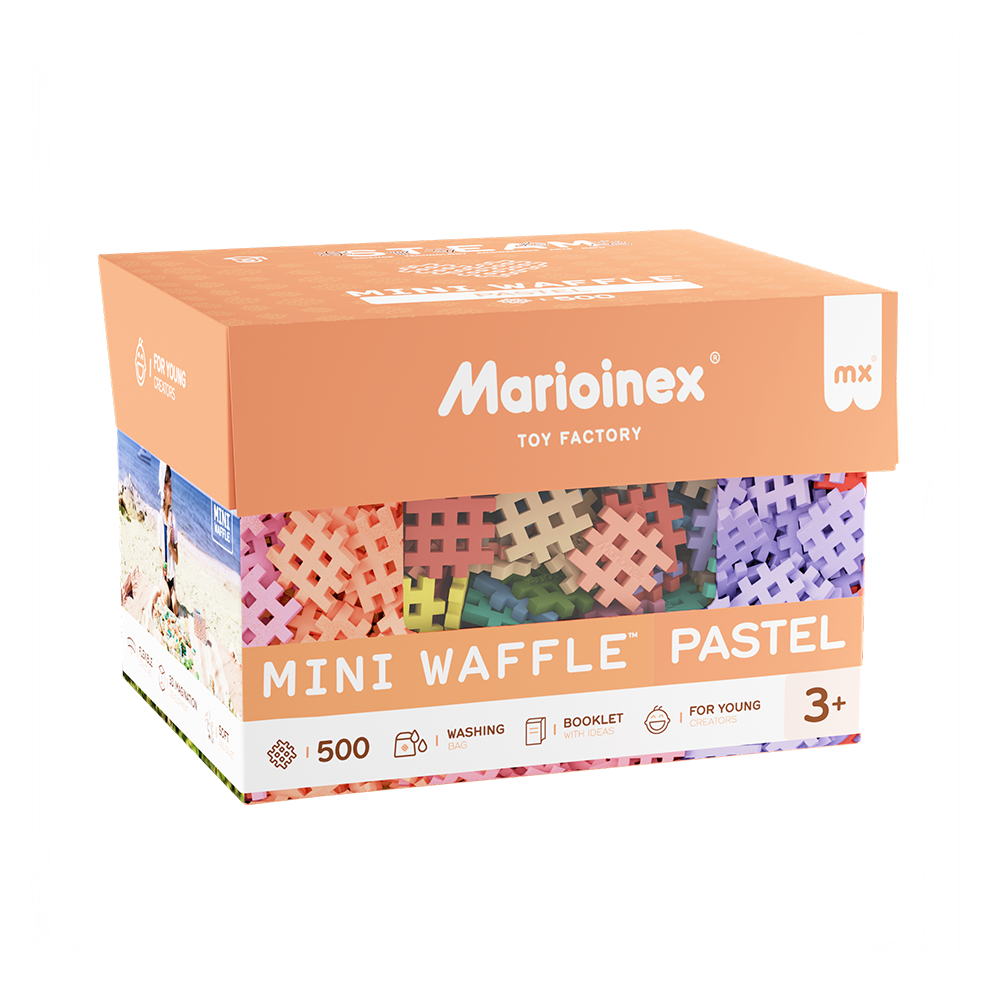
Mini Waffle
Pastel 500
Mini Waffle
Pastel 500
£73,19
Size of single piece: 3,5cm
Product code: 903629
Innovative blocks that ensure children never get bored. Pastel Waffles 500 is a set that will provide your child with many hours of fun and unleash creativity you might not even expect. The pastel colors are calming and facilitate concentration. The included instruction manual inspires the building of attractive forms for children. The set consists of as many as 500 pieces. It develops children’s imagination, manual skills, and teaches logical thinking.
Marioinex – Safe Blocks for Children
Marioinex blocks are designed to be as friendly and safe for children as possible. They are made of flexible, soft, and pleasant-to-touch material. Their shape has been perfectly adapted to the shape and size of children’s hands, and the colors used are gentle and pleasing to the eye. They have won awards in competitions such as “Toy of the Year” or “Child-Friendly World.”
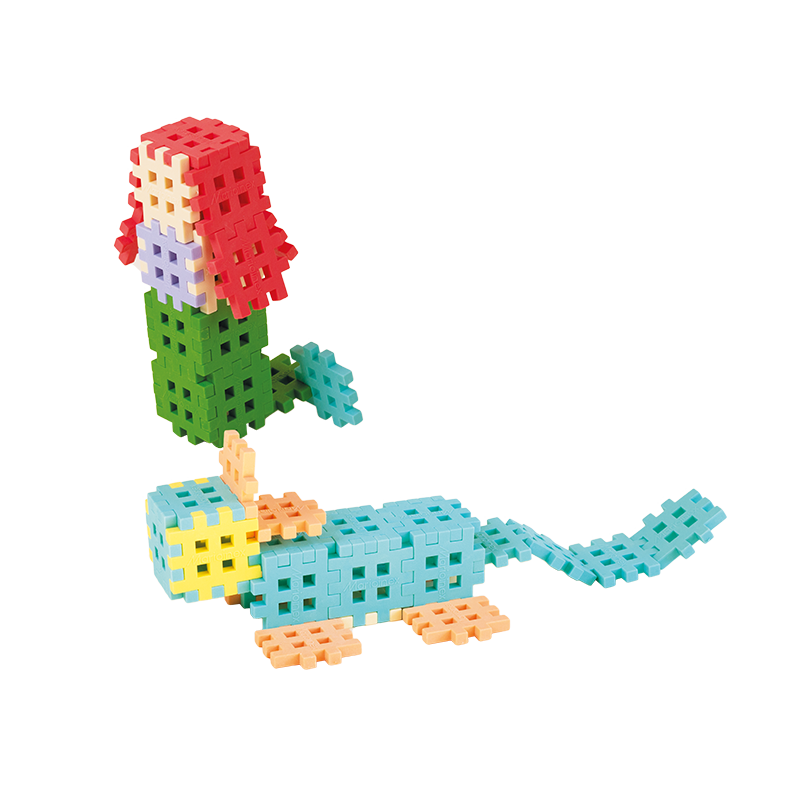
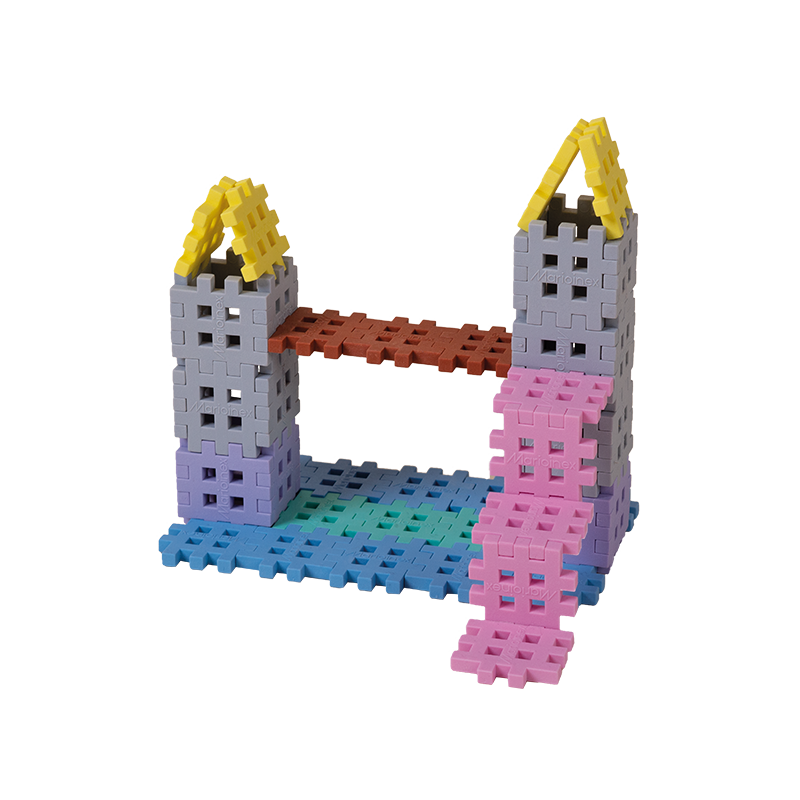
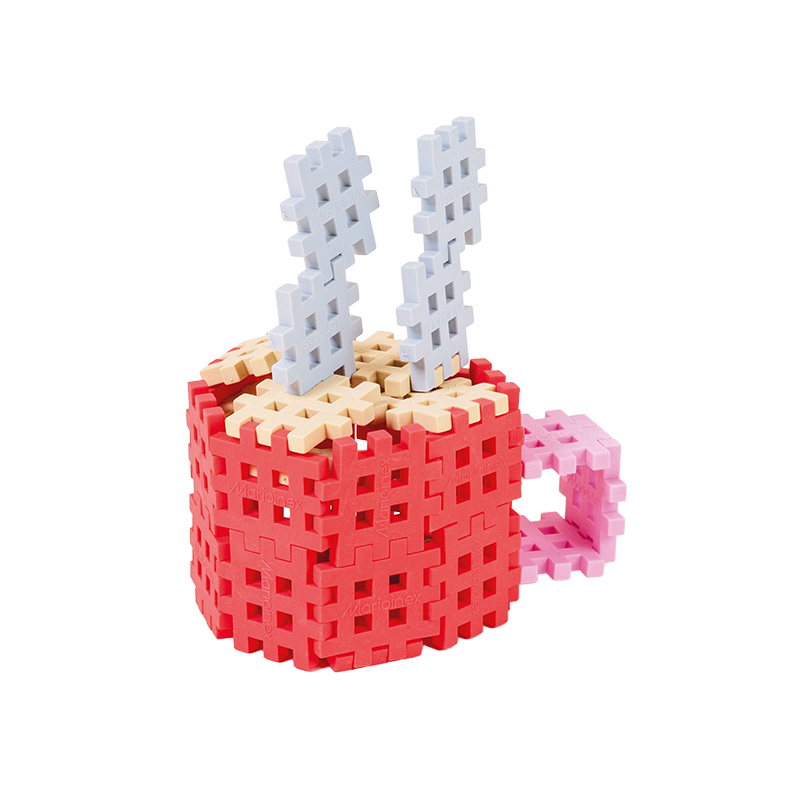
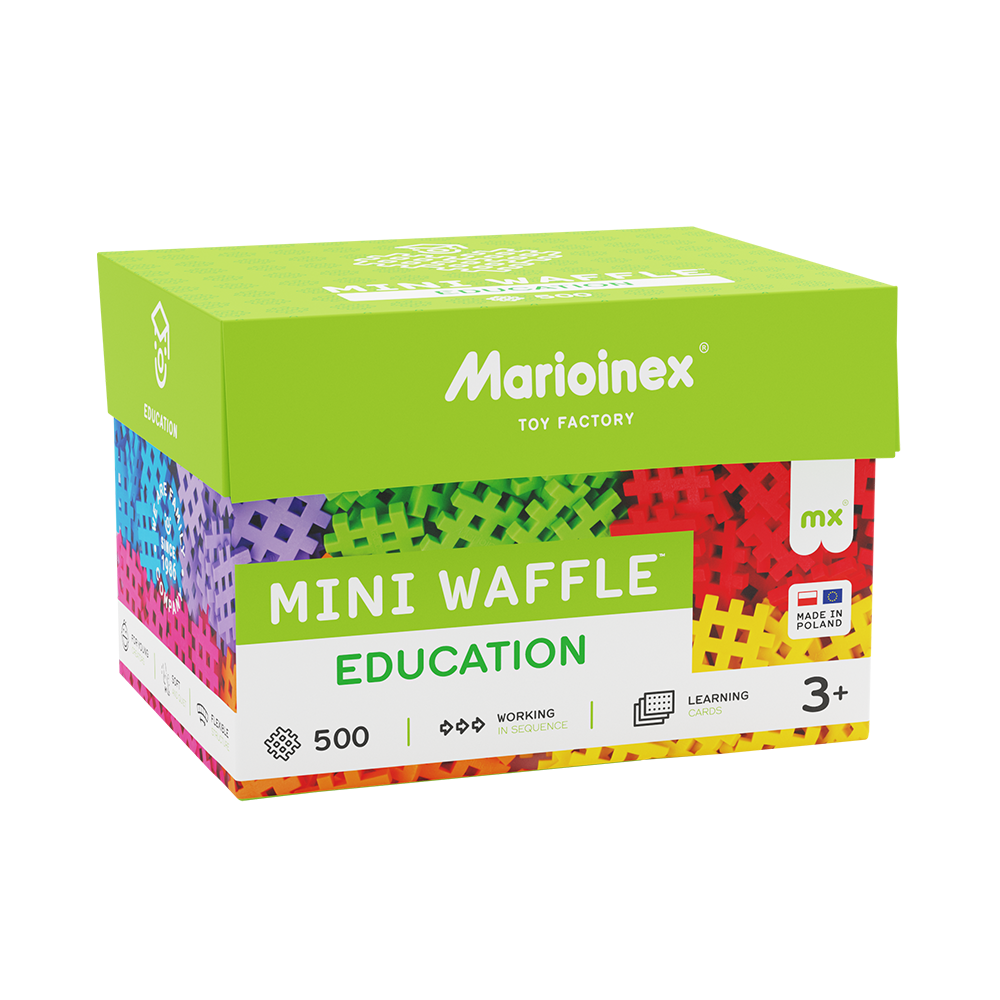
Mini Waffle
EDU 500
Mini Waffle
EDU 500 pcs
£84,82
Size of single piece: 3,5cm
Product code: 902431
Every Marioinex set is educational, but Mini Waffle Edu 500 is a special proposition for any caregiver who cares about the comprehensive development of a child.
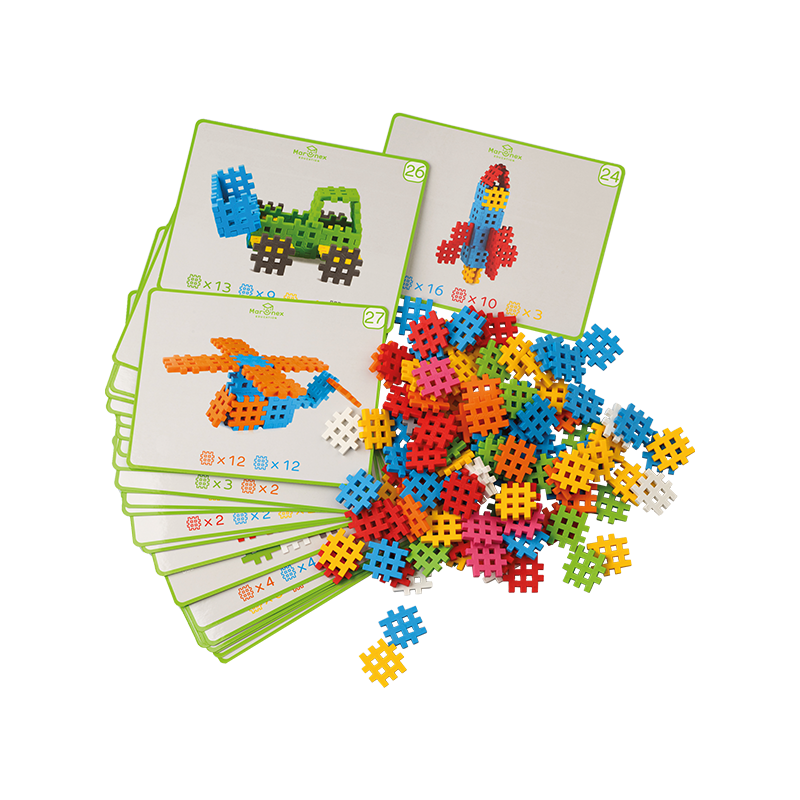
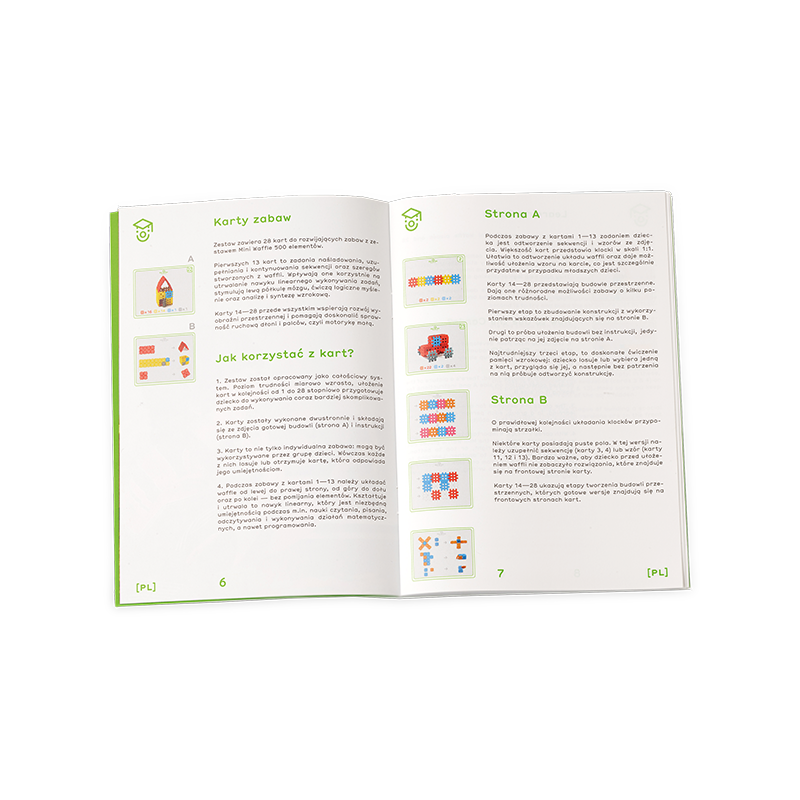
The set consists of blocks (and here the significant number of 500 pieces will impress anyone, whether they are 3 or 63 years old!) and 28 Educational Cards. With their help, various tasks can be performed. These include tasks related to imitation, completion, and continuation of sequences and series created with Waffles.

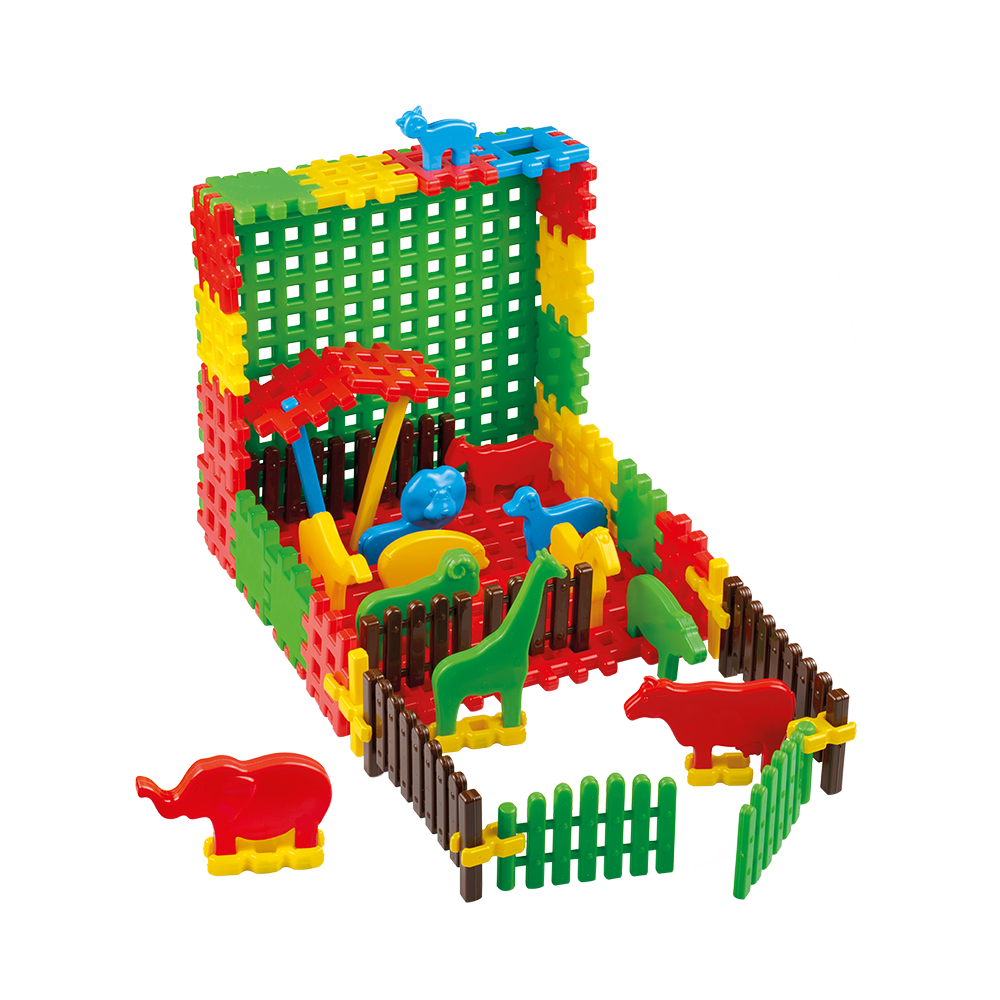
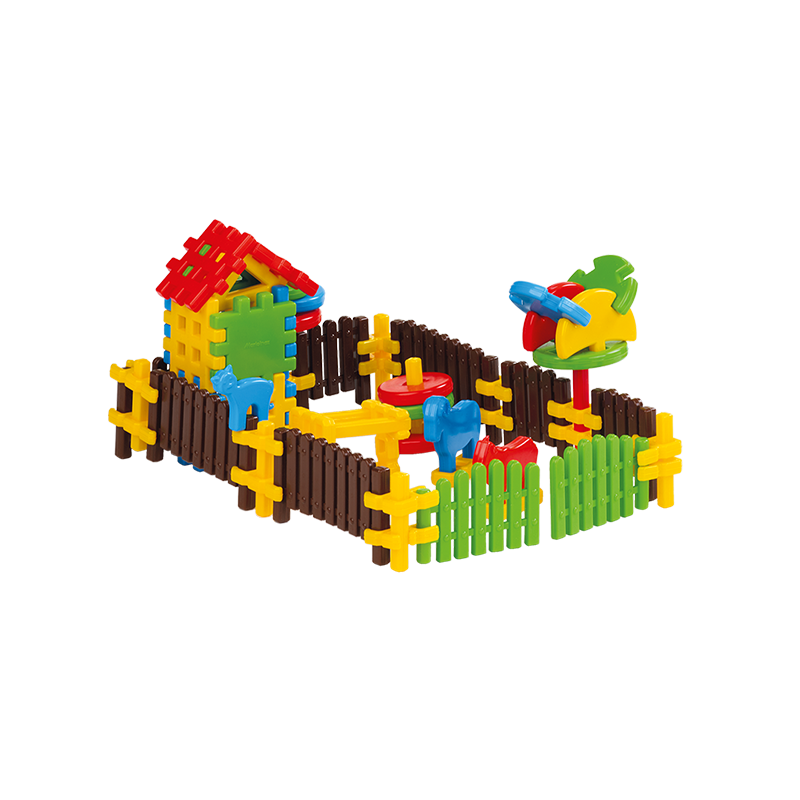
Animal Park
Waffle
Animal Park
£25,83
Size of single piece: 10,2cm
Product code: 901083
Announcement: The animals from the Animal Park are urgently looking for a Little Director. Requirements: a big heart for play. Enthusiasm at the sight of an elephant, giraffe, or lion is welcome. An additional advantage will be the ability to close the gate at night and understanding of cat antics, backed by an appropriate certificate. Do you know the right candidate?
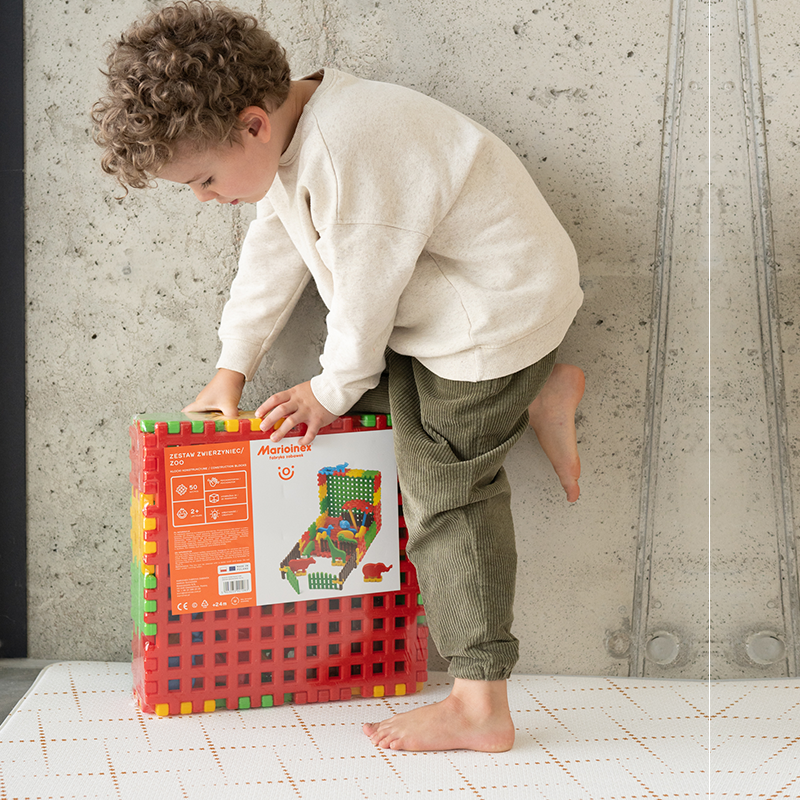
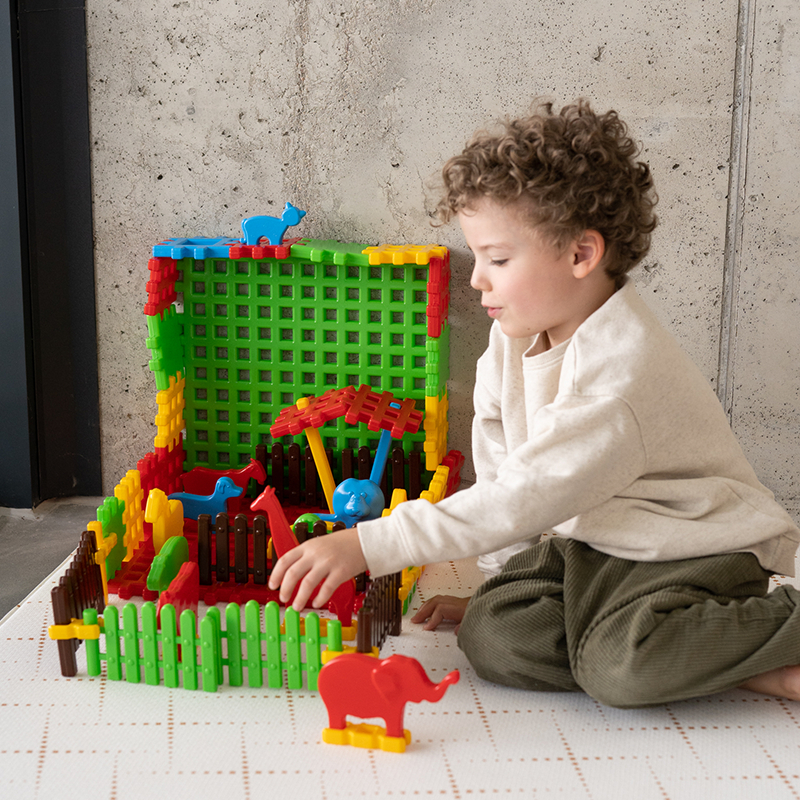
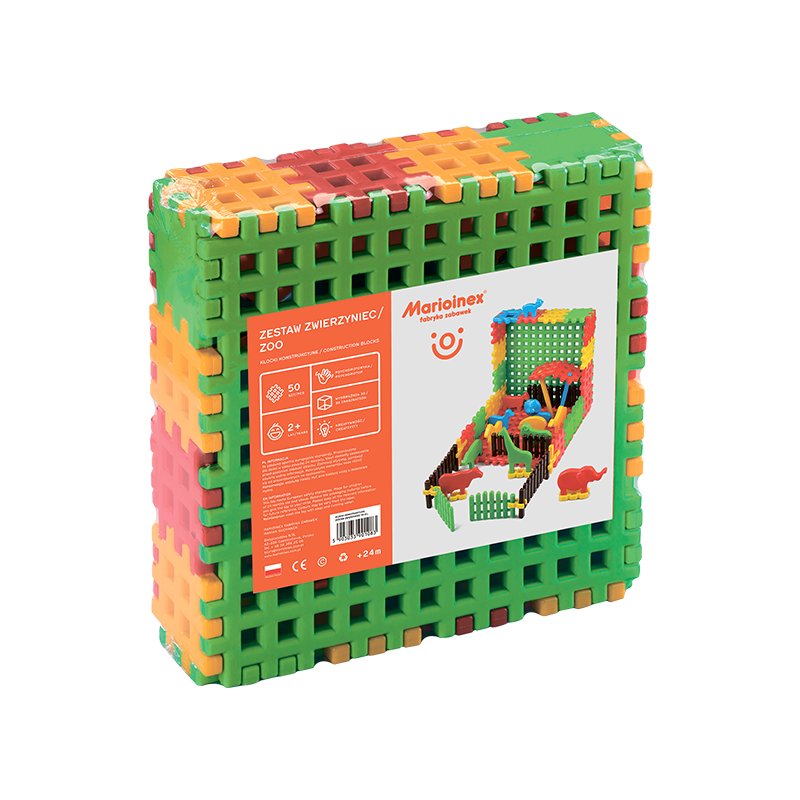

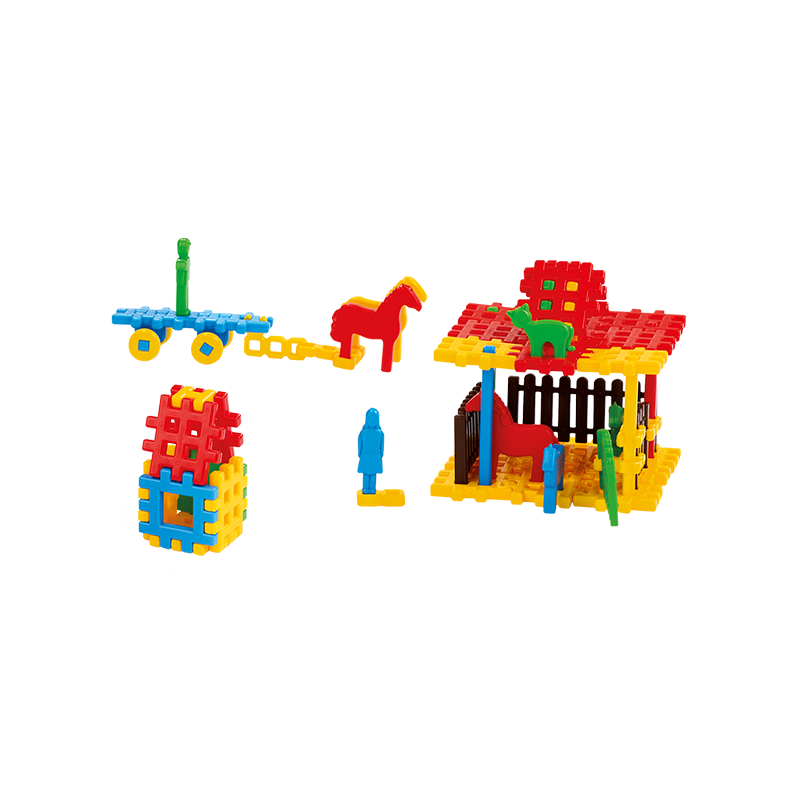
Country Farm
in a Box
Waffle
Country Farm
in a Box
£77,64
Size of single piece: 10,2cm
Product code: 900956
Life in the countryside is never dull. There’s always something to do and something happening. Animal sounds can be heard everywhere. But who will manage all this? The Country Farm is waiting for its Little Farmer, who will take care of the animals’ well-being and tend to the crops. Children eager to take on this role don’t need special qualifications – just a desire for excellent fun and learning about the world!

Construction Bricks 33 PASTEL
Construction Bricks
33 pcs PASTEL
£152,30
Size of smallest single piece: 15,5x9,5cm
Product code: 905838
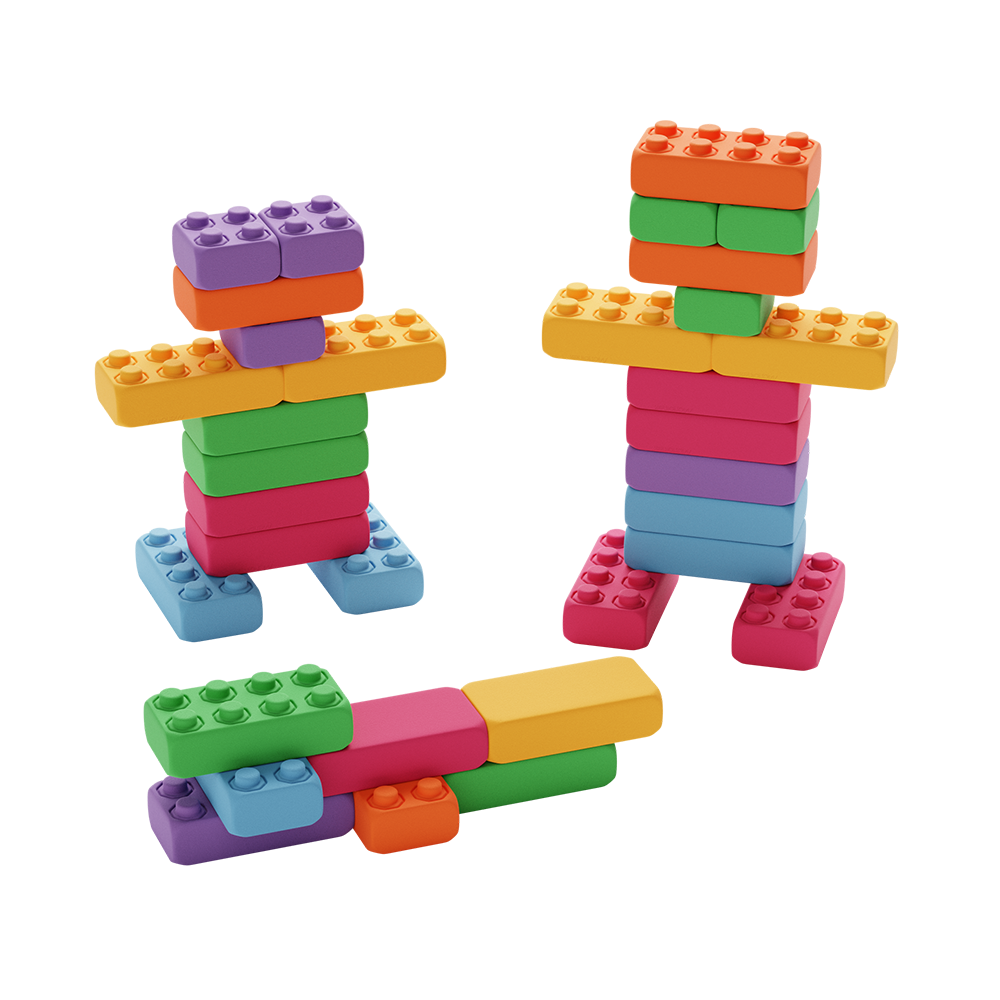
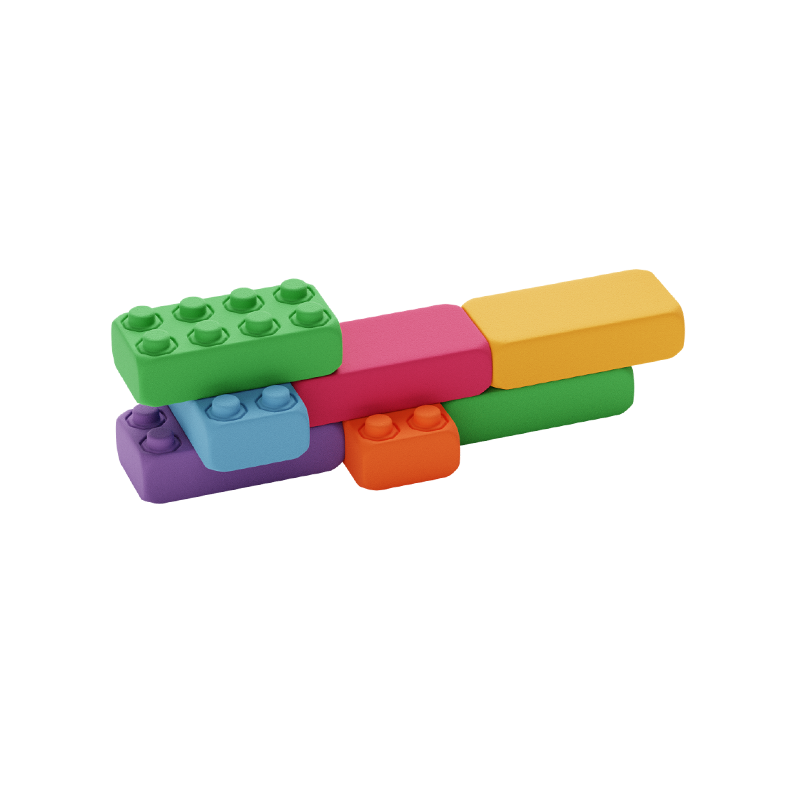
Building a house that one can enter is a dream of every child, both small and big. Now, it is entirely possible. A tower taller than its builder? Certainly! A real wall made of blocks? Nothing simpler! A sandbox of your own design? Just reach for the CONSTRUCTION BRICKS from the MARIOINEX series!
The set includes 33 gigantic blocks in 3 shapes, which give little builders immense joy while developing creativity, spatial imagination, visual-motor coordination, logical thinking, and encouraging teamwork.
The blocks are extremely durable, allowing children to enjoy unrestricted play. They can walk on them, sit on them, and subject them to countless durability tests. They are suitable not only for home use but also outdoors, and as an enrichment for preschool activities.
Mini Waffle
Constructor 140 pink
Mini Waffle
Constructor 140 pink
£22,78
Size of single piece: 3,5cm
Product code: 902837
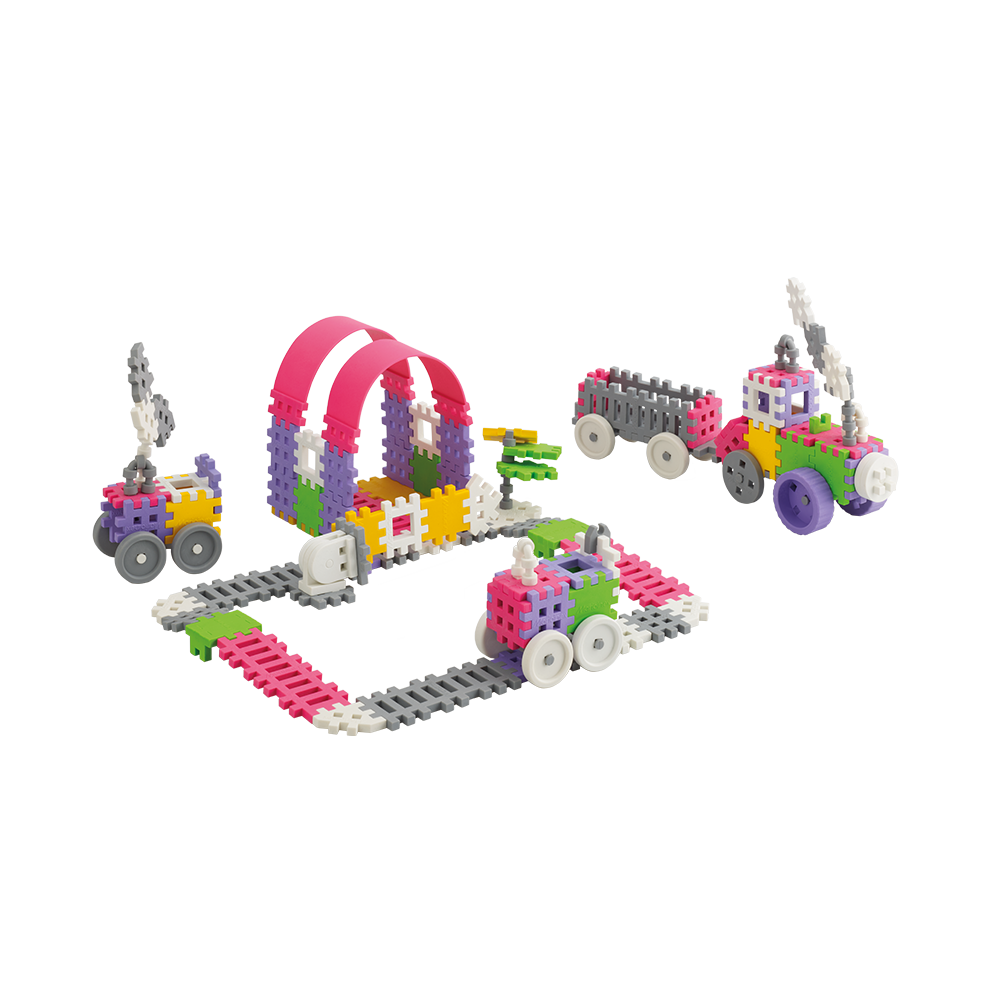
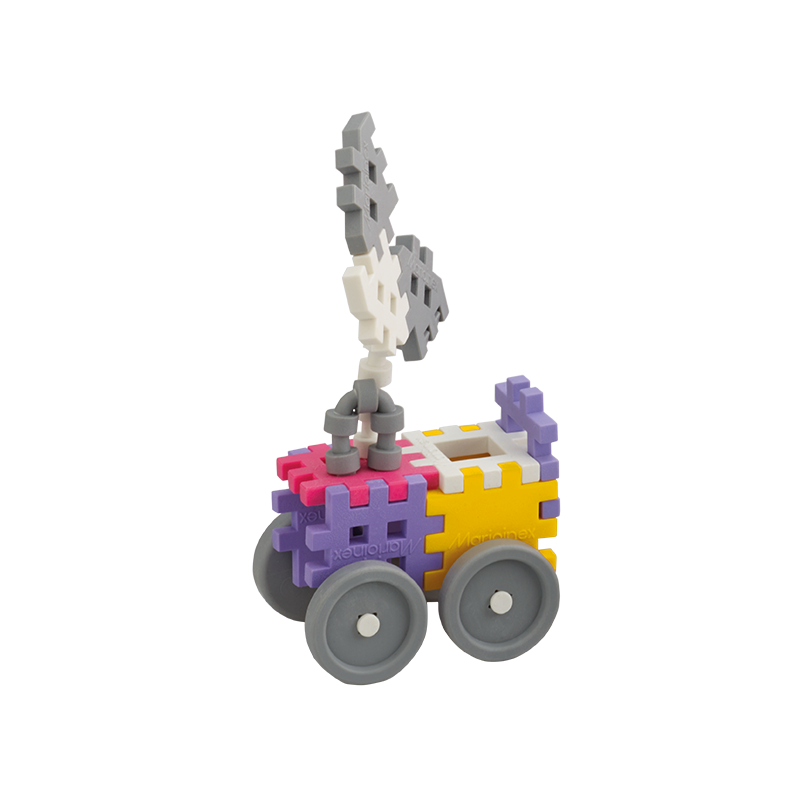
The Mini Waffle Constructor 140 Pink set is a fantastic way to ignite your child’s imagination, offering hours of valuable, creative play. Be ready to be amazed by your child’s inventiveness and concentration during the building process. This set includes 10 brand new elements, providing even more construction possibilities. An included instruction manual inspires the creation of attractive forms for children. The set consists of 140 pieces, fostering a child’s imagination, manual skills, and logical thinking.
Marioinex – Safe Blocks for Children
Marioinex blocks are designed to be as friendly and safe for children as possible. Made from flexible, soft, and tactile materials, their shape is perfectly tailored to fit the size and form of children’s hands, while the colors used are gentle and pleasing to the eye.
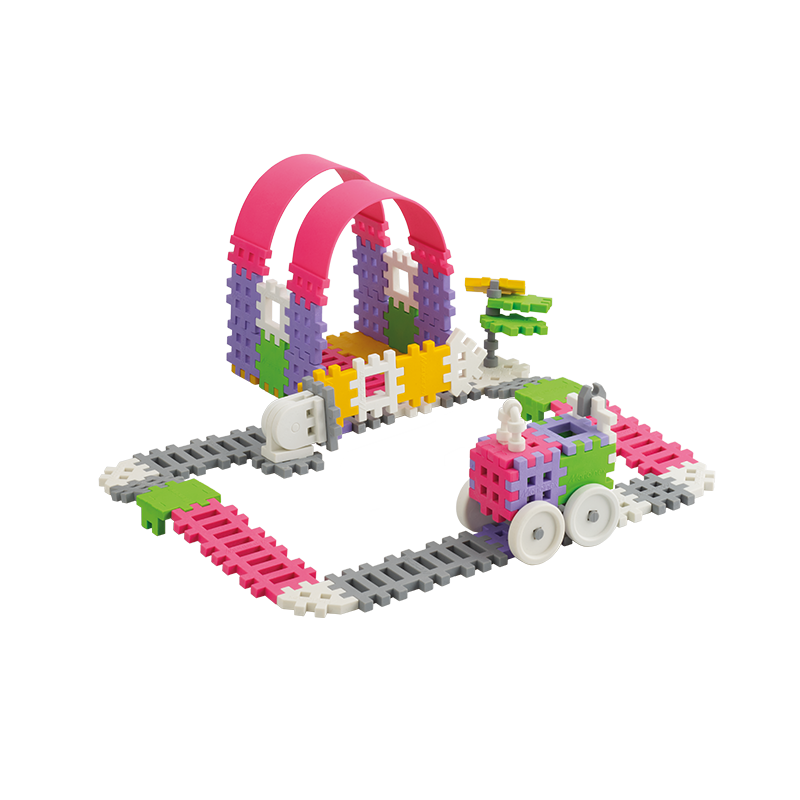
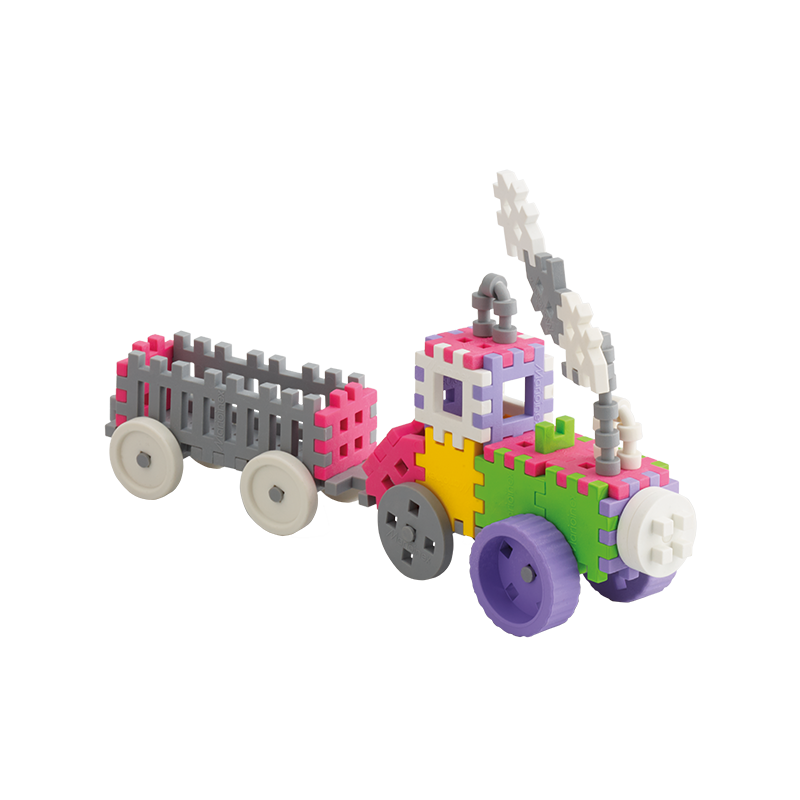
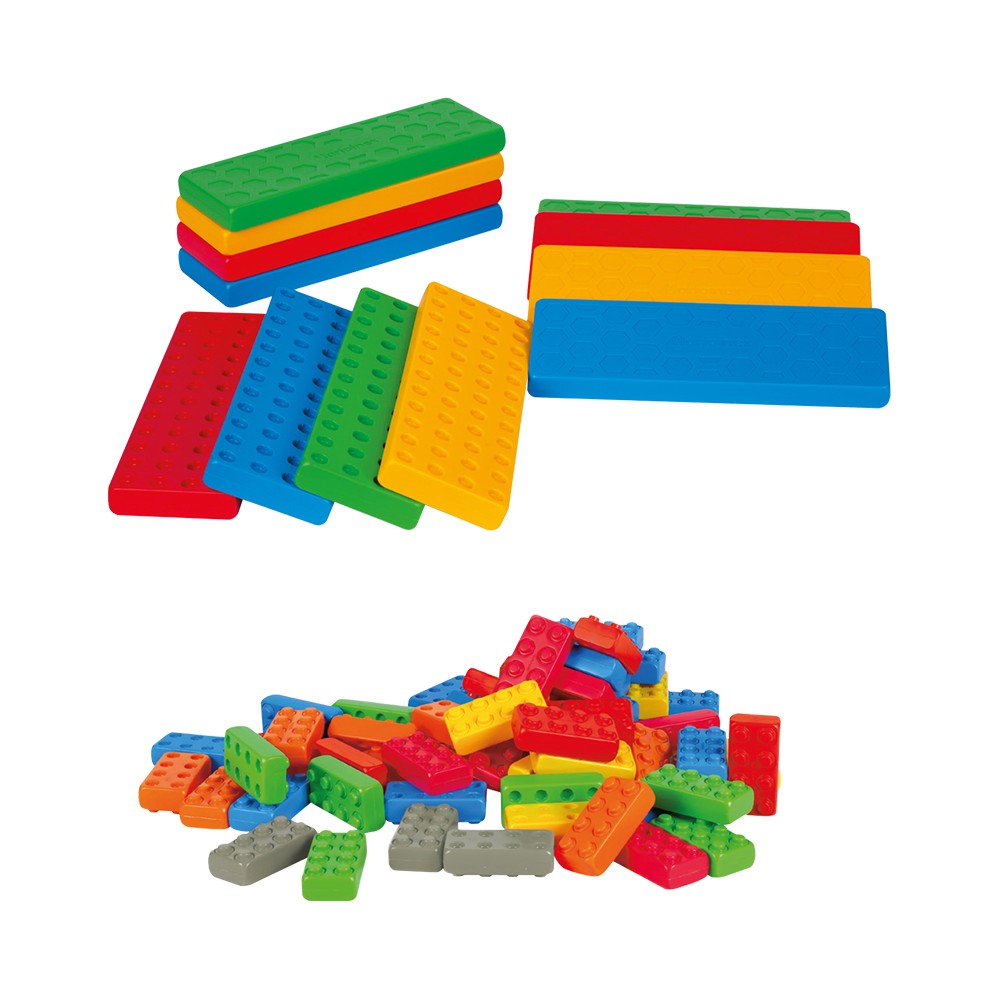
Educational Platforms
with Junior Bricks
Educational Platforms
with Junior Bricks
£84,37
Size of smallest single piece: 11x5,5x2,5cm
Product code: 903896
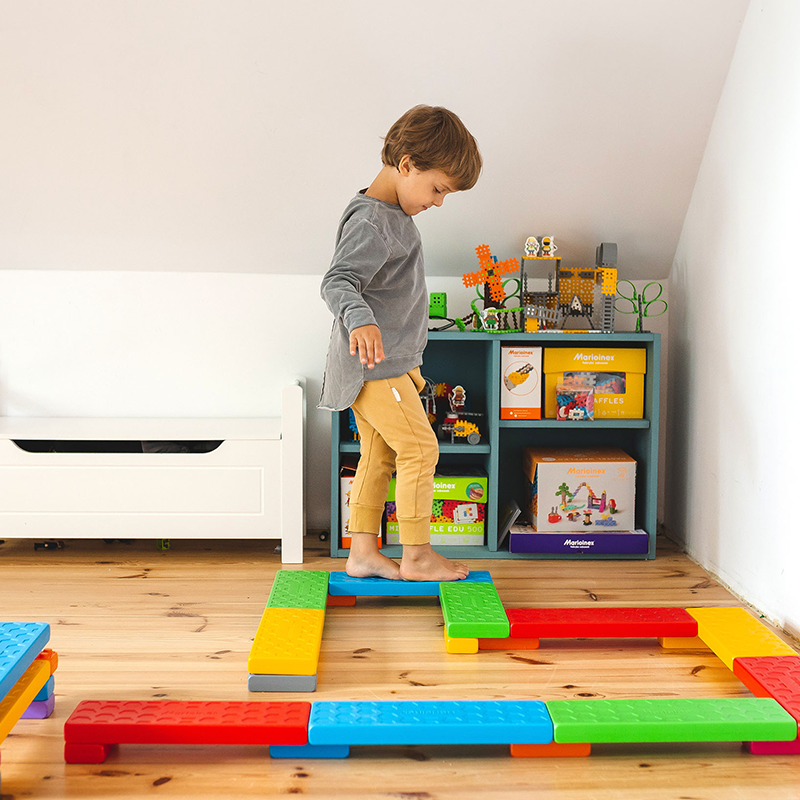
Building a platform that you can walk on is a play activity loved by every child. MARIOINEX EDUCATIONAL PLATFORMS not only provide crazy fun but also have a great impact on spatial imagination, sense of balance, and motor coordination. Children joyfully build balance paths and naturally develop their skills.
Educational platforms can be combined with other sets from the MARIOINEX JUNIOR BRICK series. With them, children create tunnels, garages, and various multi-level structures.
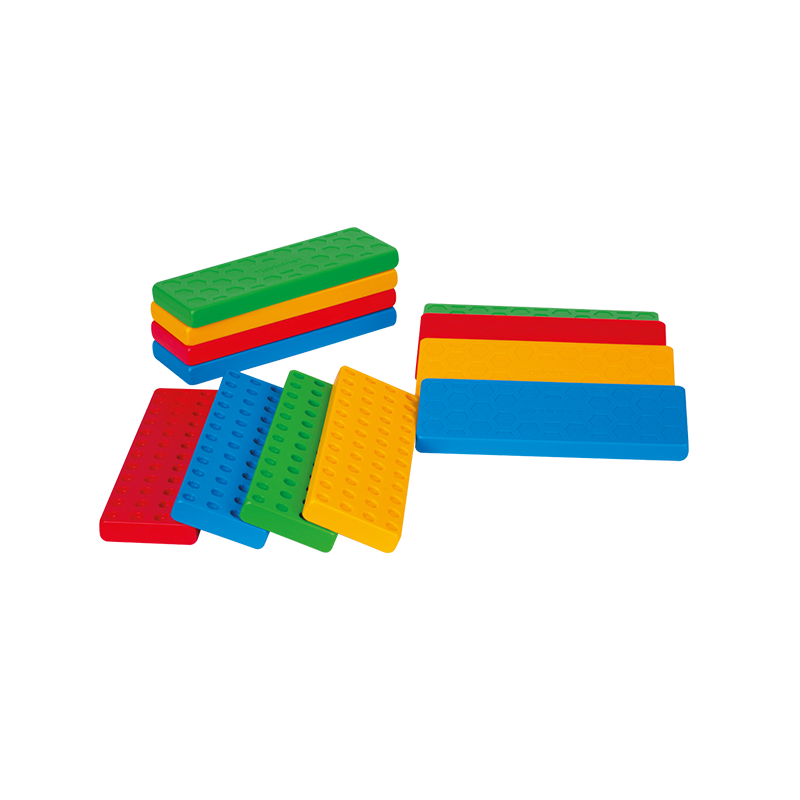
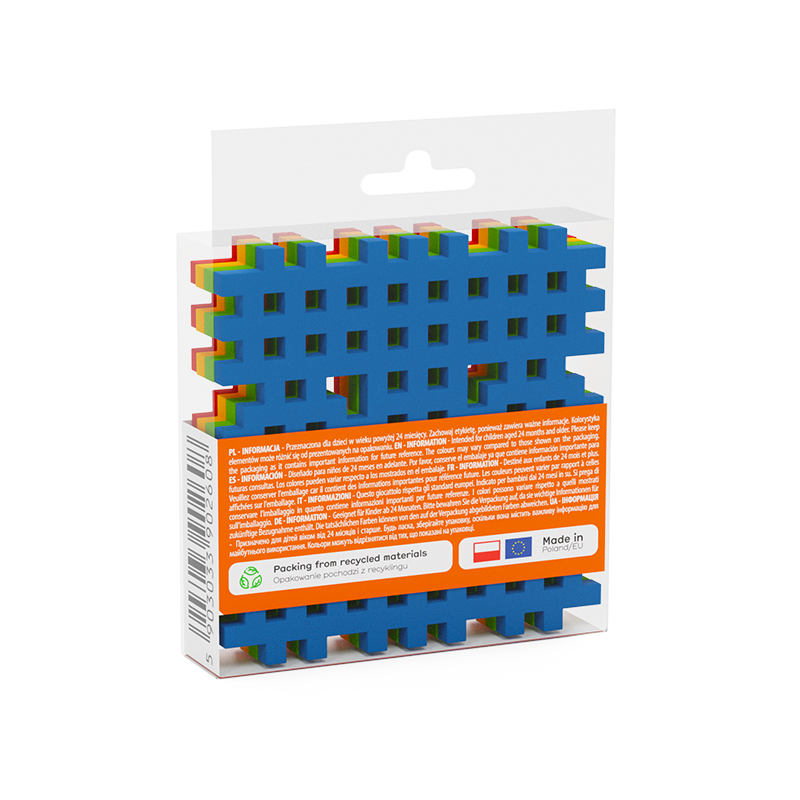
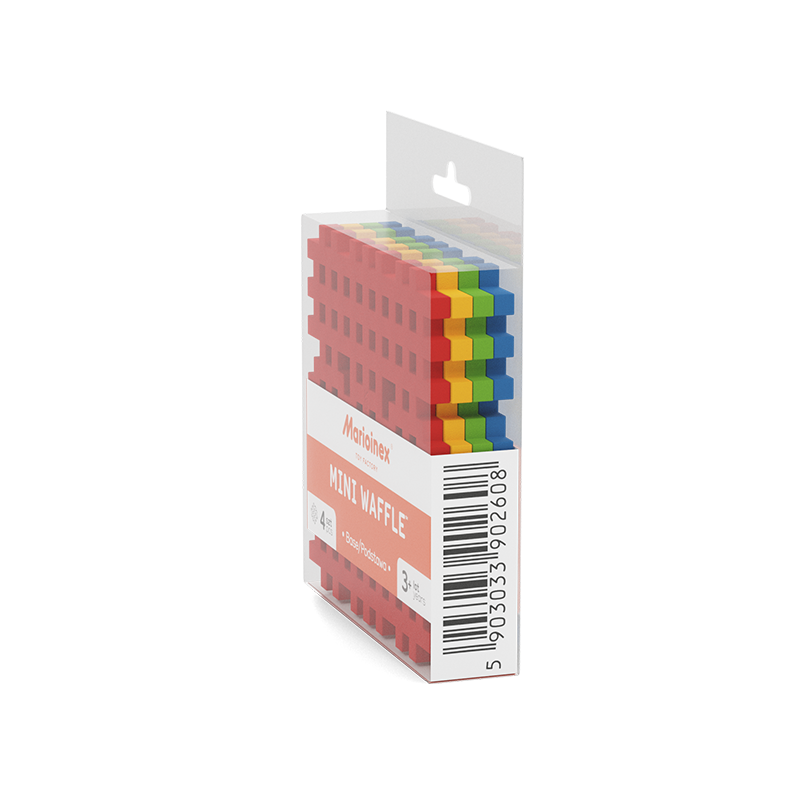
Mini Base 4 pcs
Mini Waffle
Mini Base 4 pcs
£7,42
Size of single piece: 3,5cm
Product code: 902608
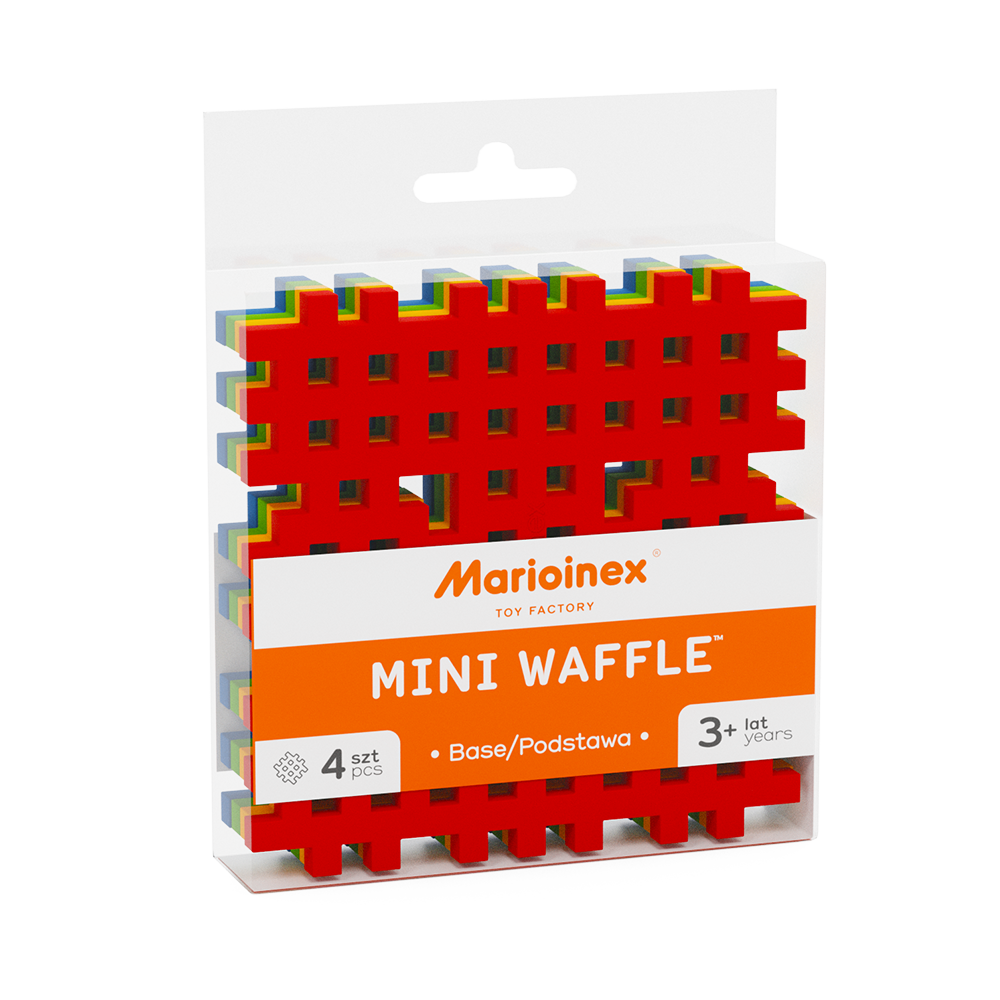
There are basics that literally everyone should know. What are we talking about? The bases for the Mini Waffle series blocks, of course! If you already have blocks from this series, be sure to get four colorful bases and take your construction to the next level. Create cubes or flat models on which you will erect as fanciful buildings as you can dream of!
Marioinex – safe toys for children
Marioinex blocks are designed to be as friendly and safe for children as possible. They are made of flexible, soft, and pleasant-to-touch material. Their shape has been perfectly adapted to the shape and size of children’s hands, and the colors used are gentle and pleasing to the eye. They have won awards in competitions such as “Toy of the Year” or “Child-Friendly World.”
Educational
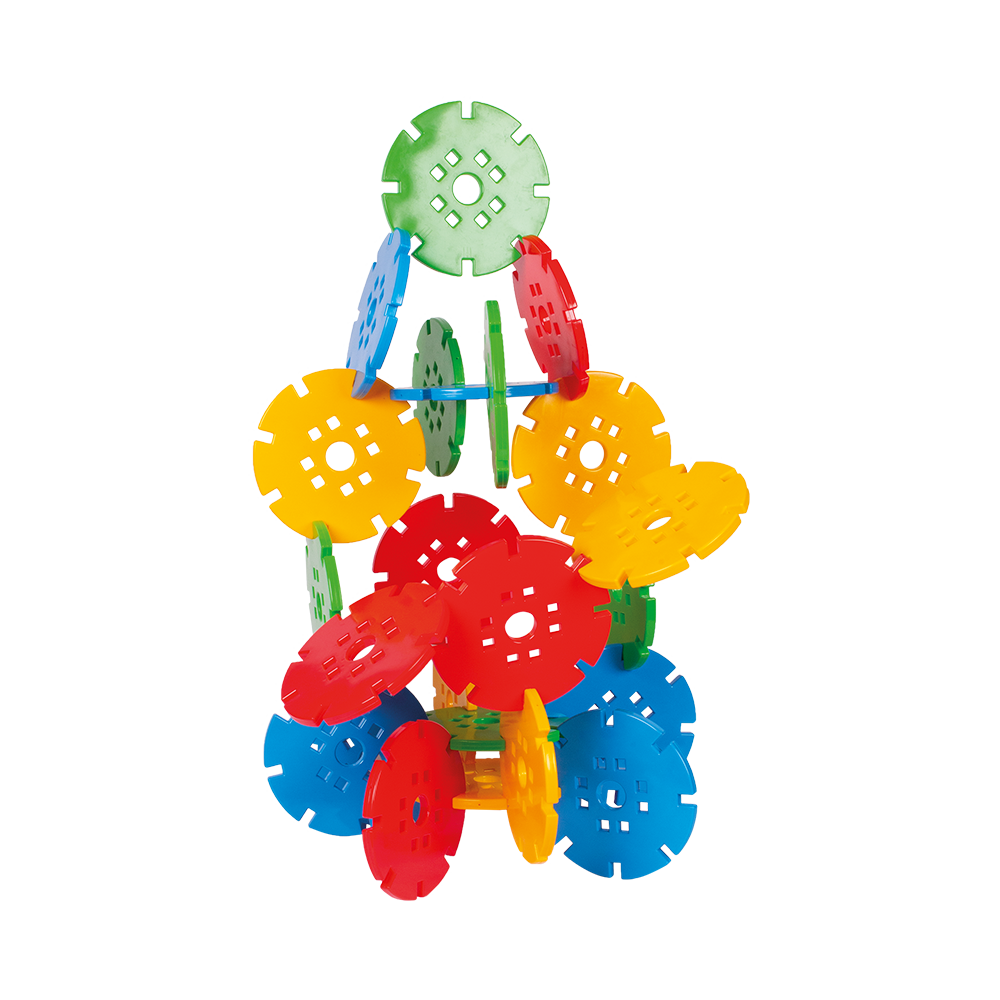
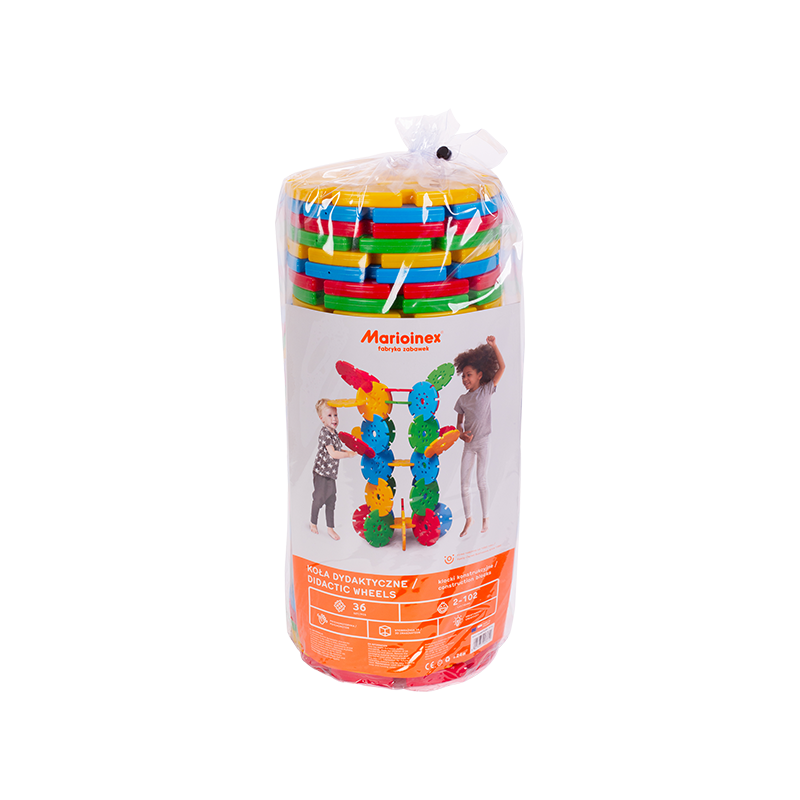
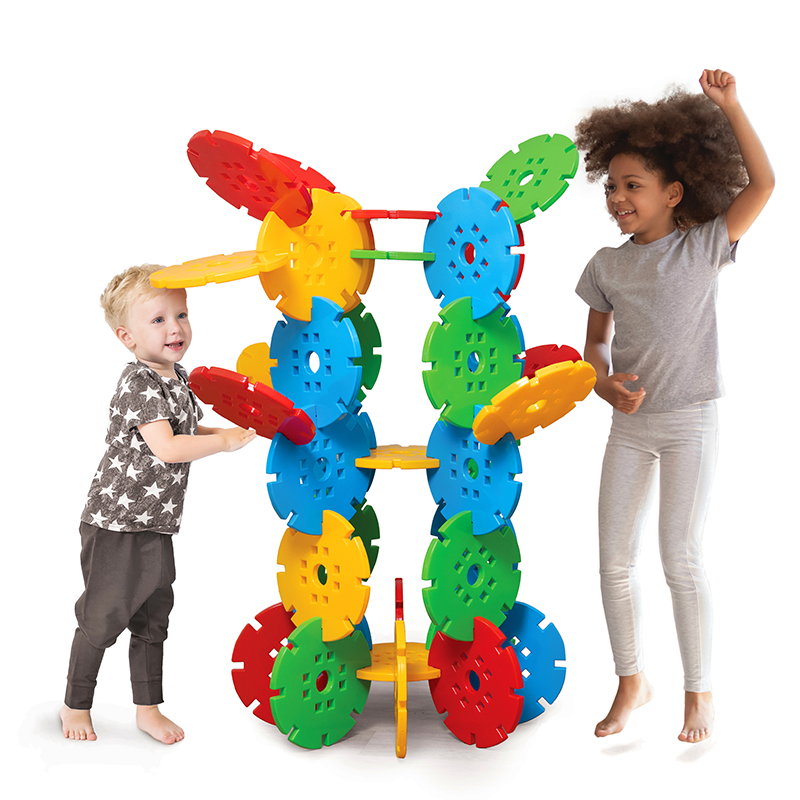
Wheels 36
Educational Wheels
36 pcs
£96,61
Size of single piece: 23,5x3,5cm
Product code: 903728
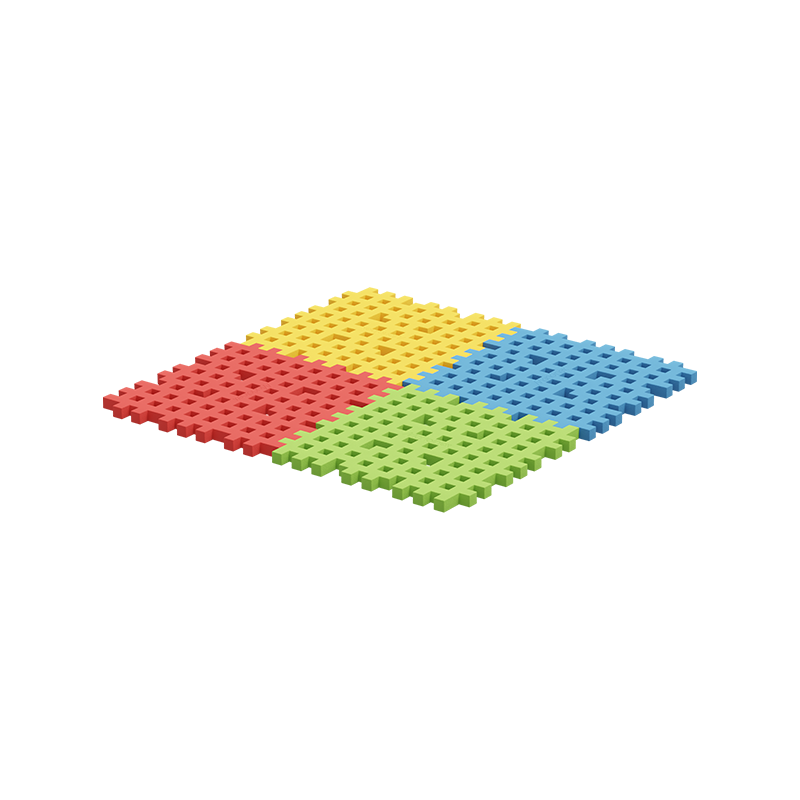
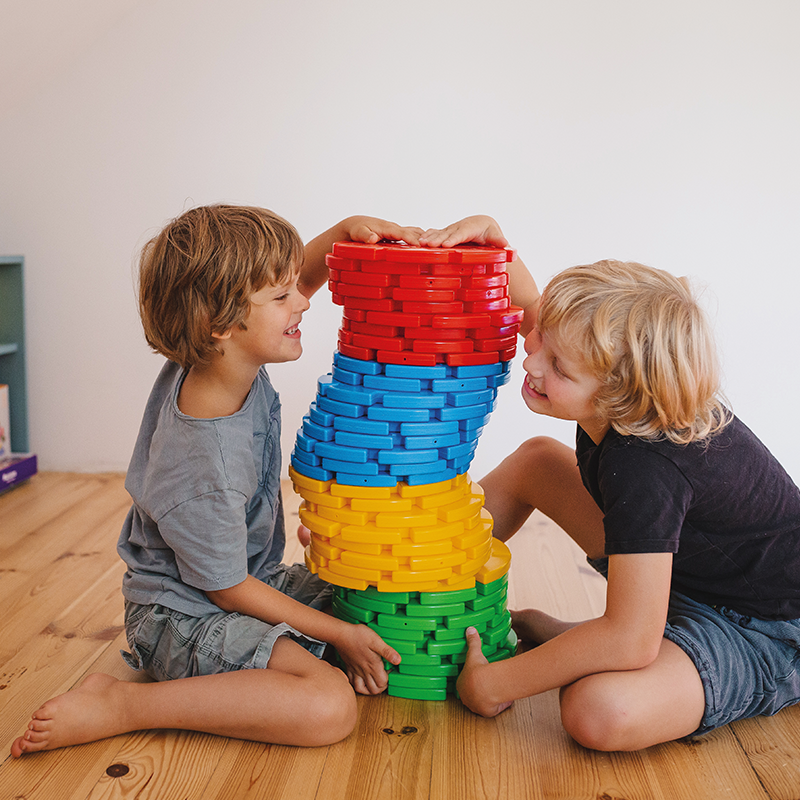
There’s nothing better than a game that not only entertains but also educates. And that’s exactly what MARIOINEX EDUCATIONAL WHEELS provide. With them, children can build large, spatial structures in various ways, bringing a lot of joy. At the same time, they improve visual-motor coordination and develop cognitive processes. They support memory, the ability to maintain attention, and control. The four basic colors were chosen based on specialists’ recommendations, so they do not provide an excessive amount of stimuli and do not overload the child’s sensory capabilities. The set includes 36 blocks, each with a diameter of 24 cm.
Marioinex – safe toys for children
Marioinex educational toys are designed to be as friendly and safe for children as possible. They are made of flexible, soft, and pleasant-to-touch material. They have all necessary safety certificates, and the colors used are gentle and pleasing to the eye. MARIOINEX products have won awards in competitions such as “Toy of the Year” and “Child-Friendly World”.
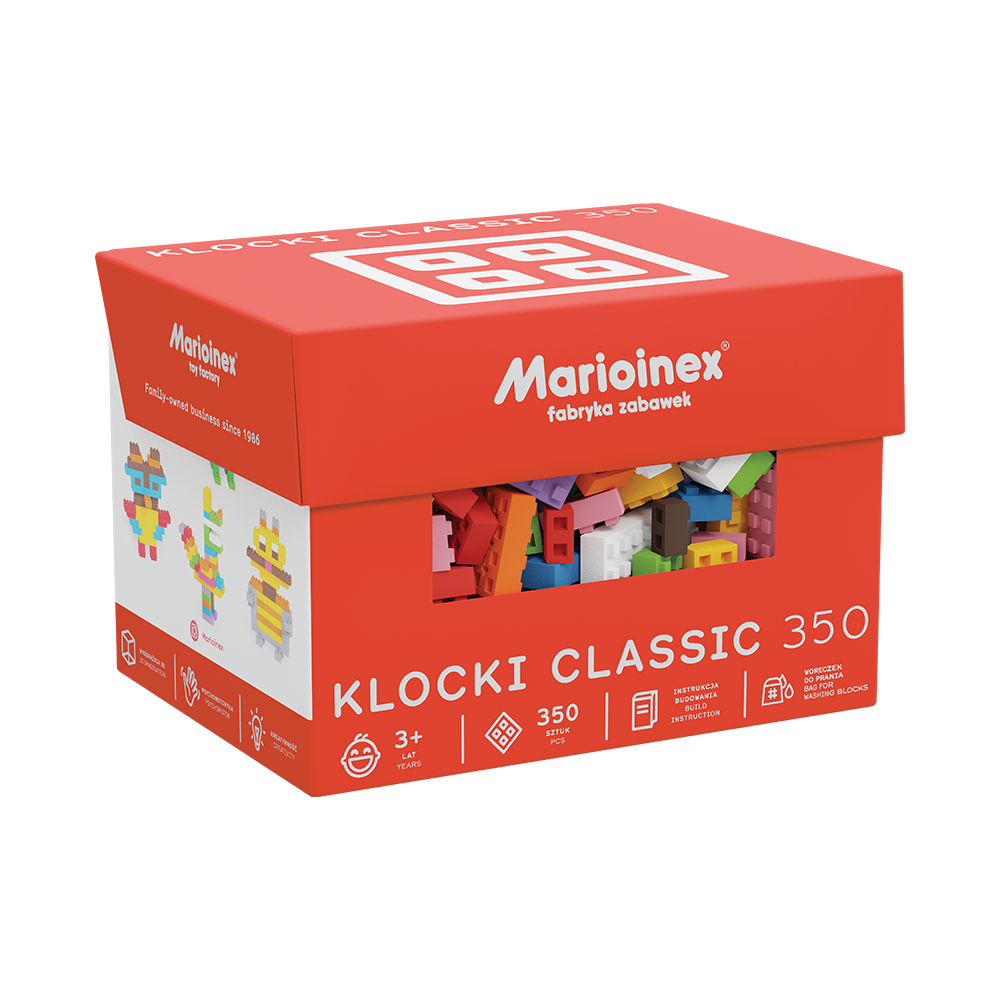
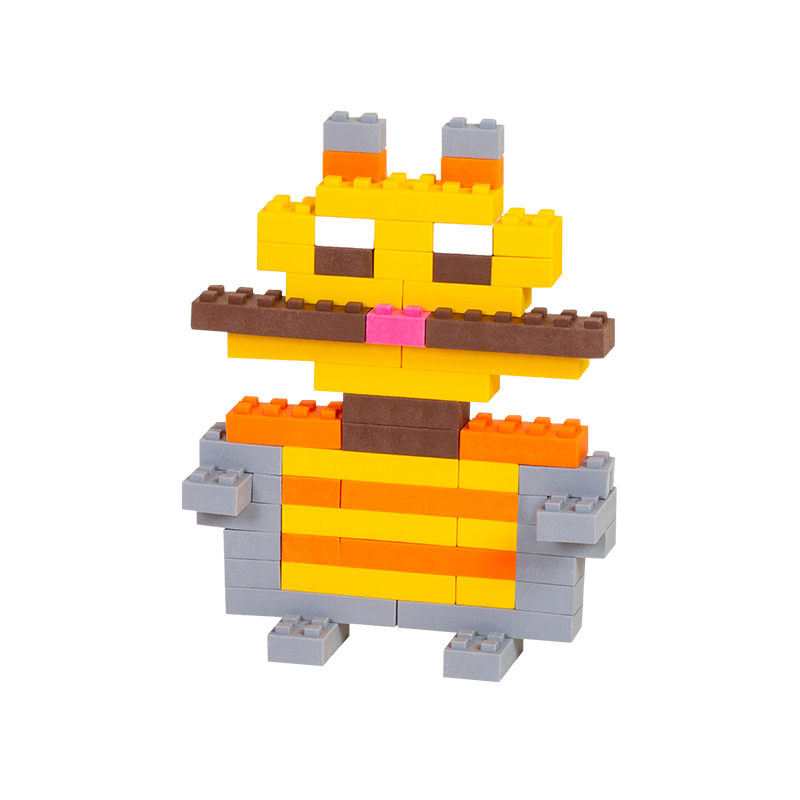
Classic Blocks 350
Classic blocks
350 pcs
£44,65
Size of smallest single piece: 2x2x1cm
Product code: 902844
Here are the blocks that all children have been waiting for! They resemble classic blocks in appearance, but are made of soft and flexible material, making play with them extremely pleasant, safe, and quiet. The texture of the blocks provides children with valuable sensory experiences, and their varied shapes allow for the creation of various spatial forms according to the inspirations included in the set or according to their own ideas. The set consists of 350 pieces. It develops creativity, psychomotor skills, and teaches logical thinking.
Marioinex – Safe Blocks for Children
Marioinex blocks are designed to be as friendly and safe for children as possible. They are made of flexible, soft, and pleasant-to-touch material. Their shape has been perfectly adapted to the shape and size of children’s hands, and the colors used are gentle and pleasing to the eye. They have won awards in competitions such as “Toy of the Year” or “Child-Friendly World.”
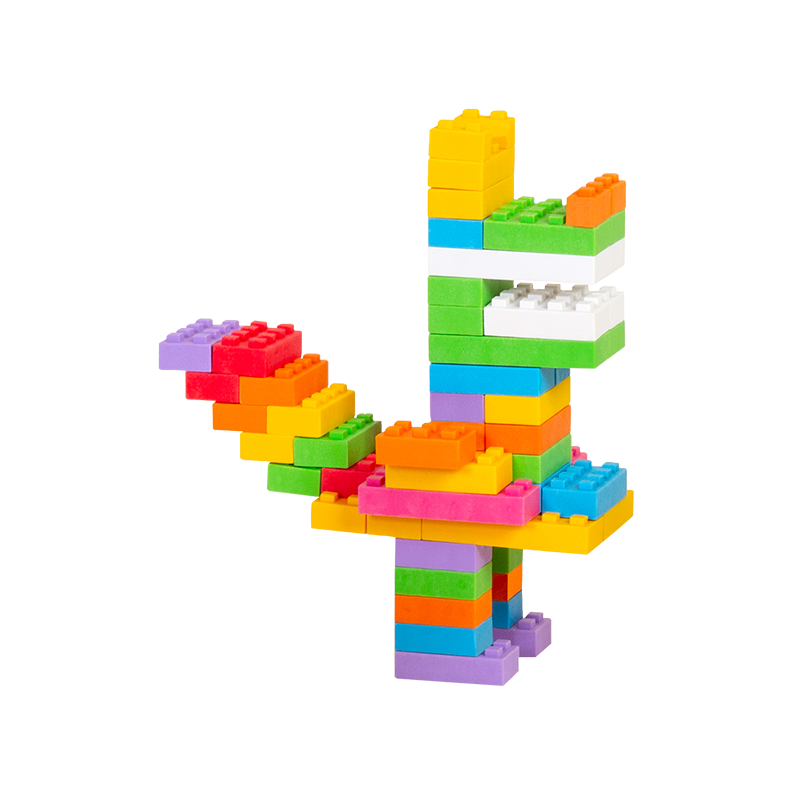
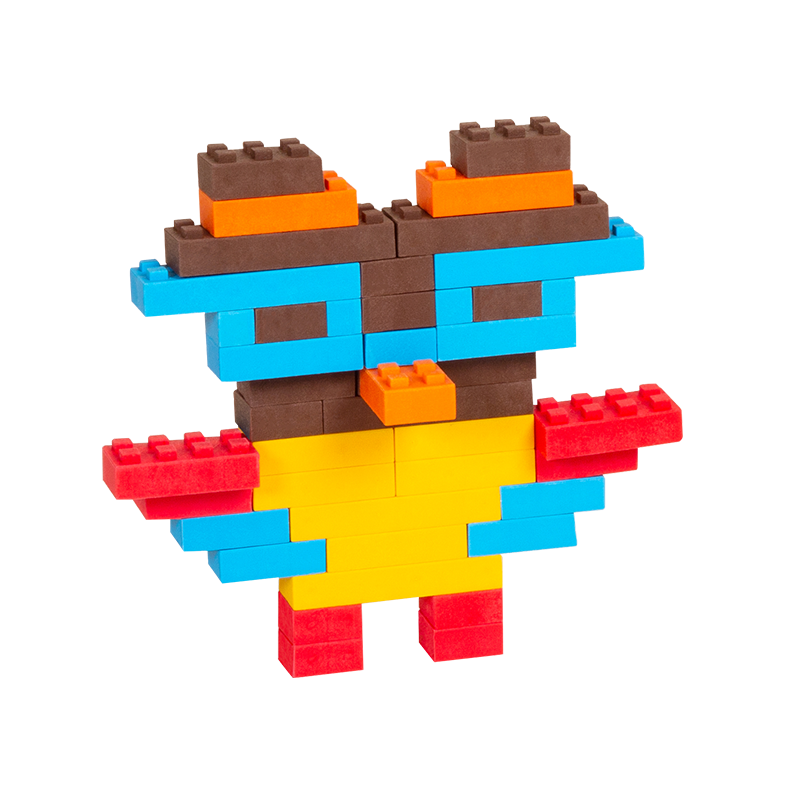
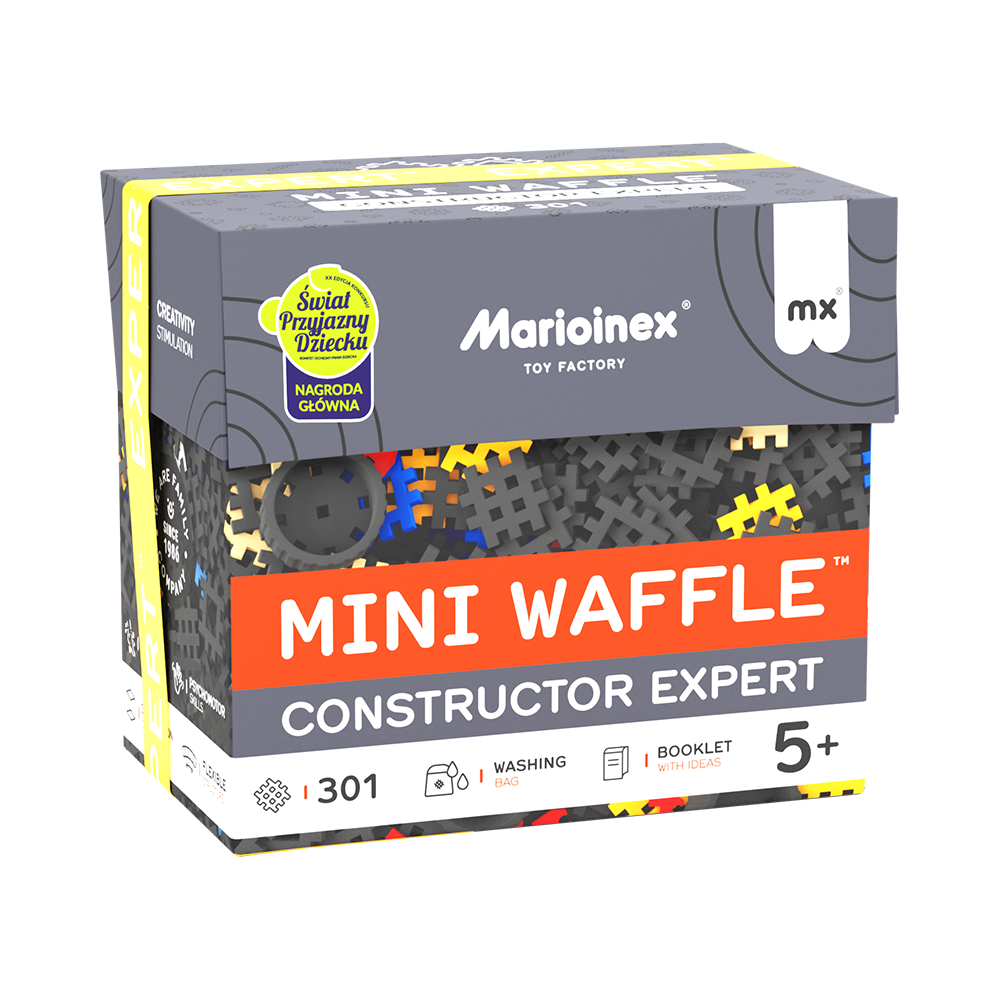
Mini Waffle
Constructor Expert 301
Mini waffle
Constructor Expert
301 pcs
£45,95
Size of single piece: 3,5cm
Product code: 904039
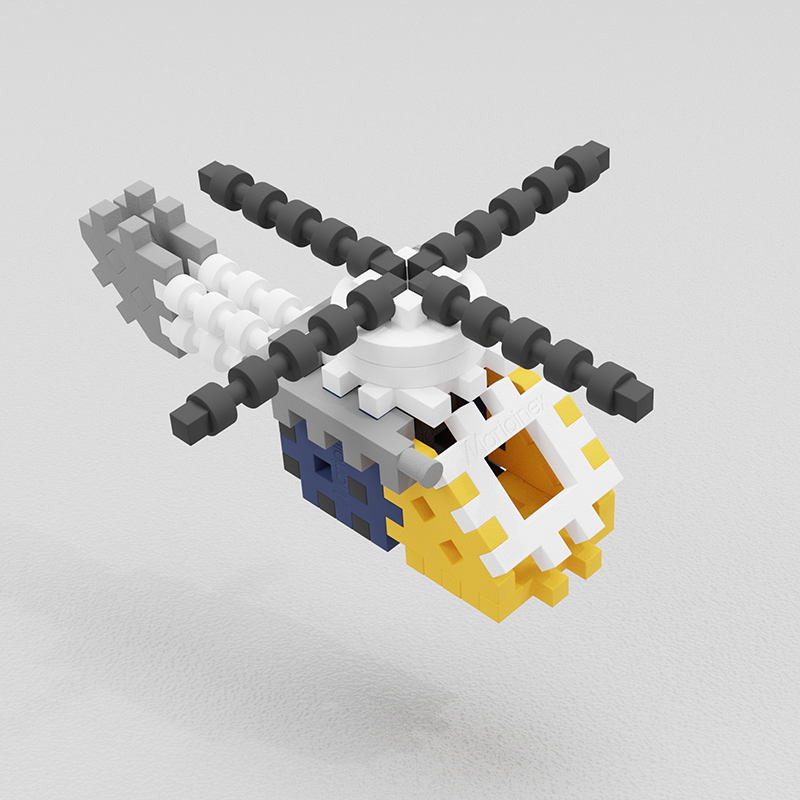
Mini Waffle Constructor Expert 301 is a set for small (and bigger too!) construction enthusiasts. This set offers almost unlimited building possibilities! The variety of shapes of elements with special applications and their large quantity allow for the creation of three-dimensional shapes of vehicles, buildings, and characters according to the instructions included in the set. Your child, with enthusiasm and the skill of a true expert, will construct a house, windmill, airplane, train, or helicopter. And if they wish, they can create any form using only their own imagination! The set also includes a practical storage bag to keep the blocks from getting lost. The set consists of as many as 301 elements. It develops children’s imagination, manual skills, and teaches logical thinking.
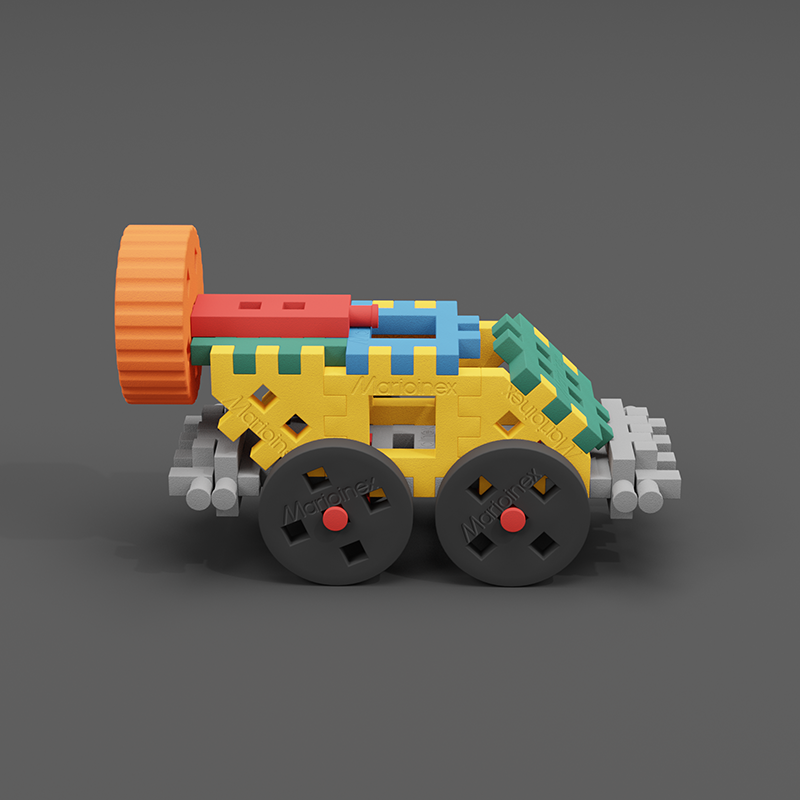
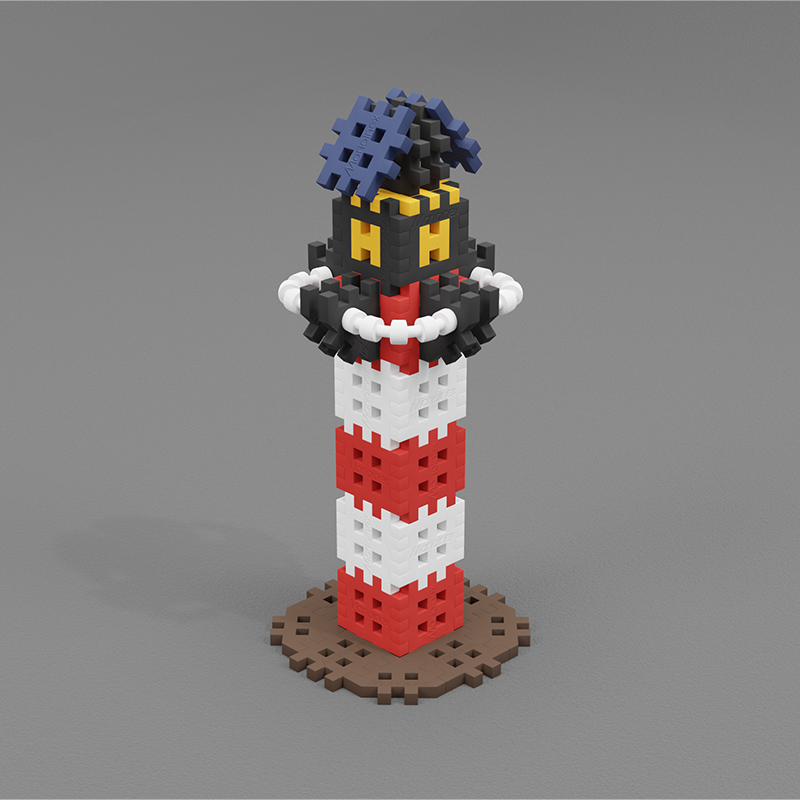
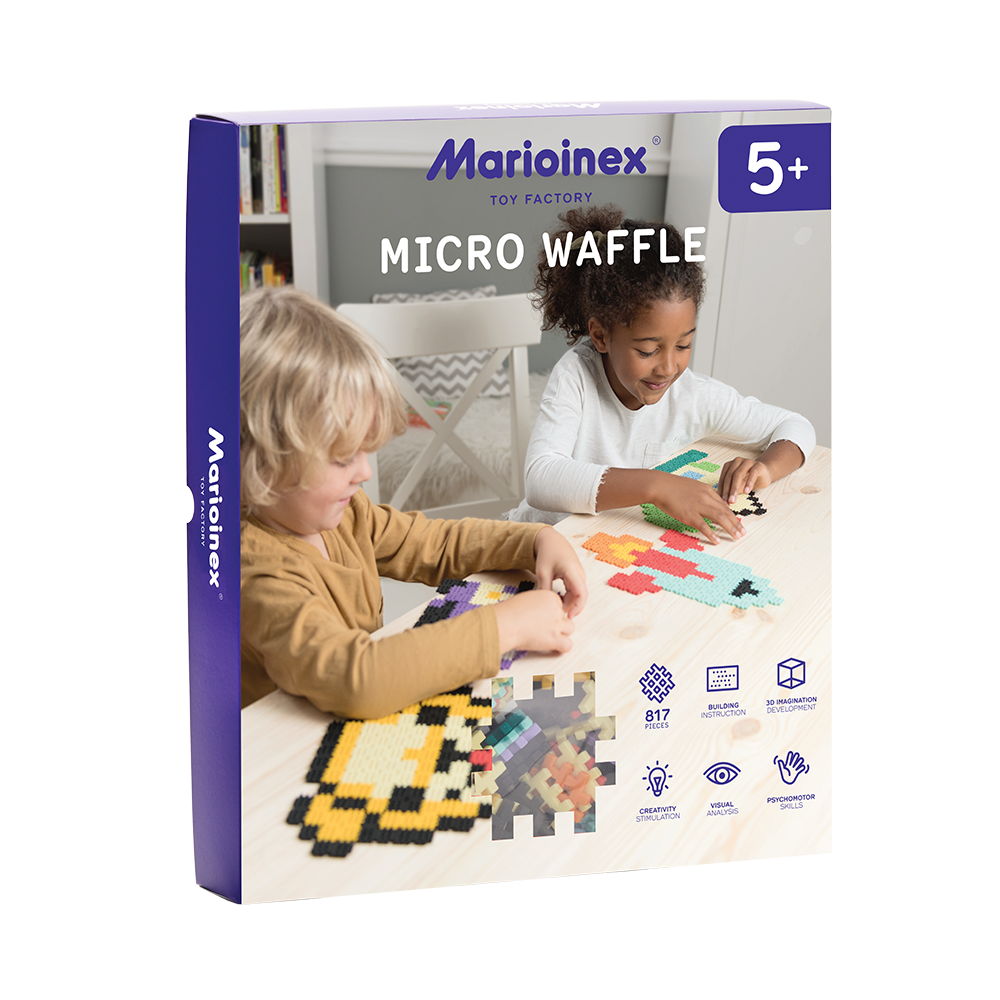
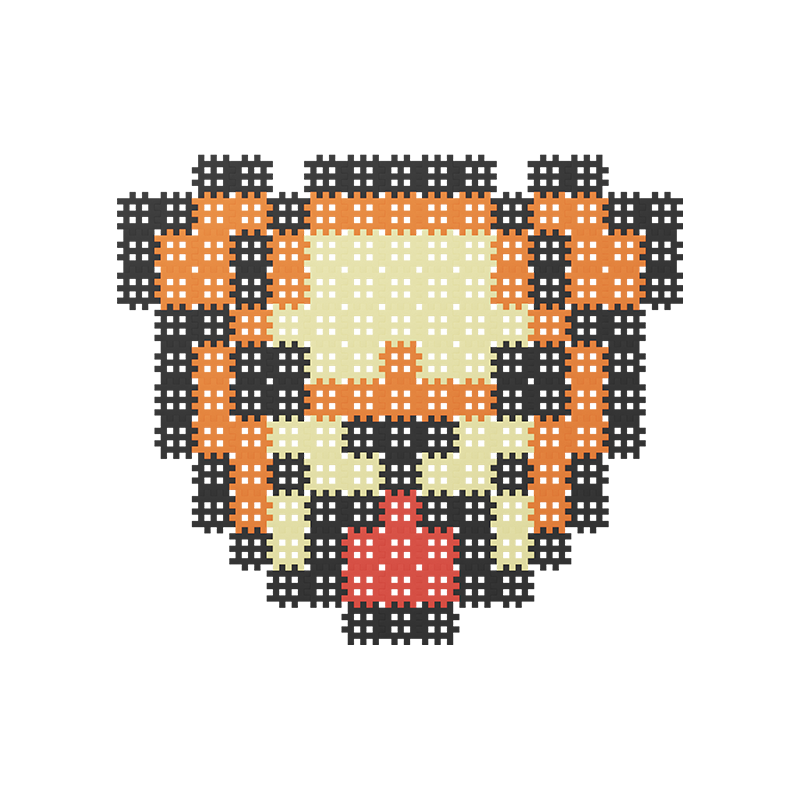
Micro Waffle 817
Micro waffle
817 pcs
£57,22
Size of single piece: 1,8cm
Product code: 903025
Marioinex blocks are designed to be as friendly and safe for children as possible. They are made from a flexible, soft, and pleasant-to-touch material. Their shape is perfectly adapted to the shape and size of children’s hands, and the colors used are mild and pleasant to the eye. They have won awards in competitions such as “Toy of the Year” and “Child-Friendly World.”


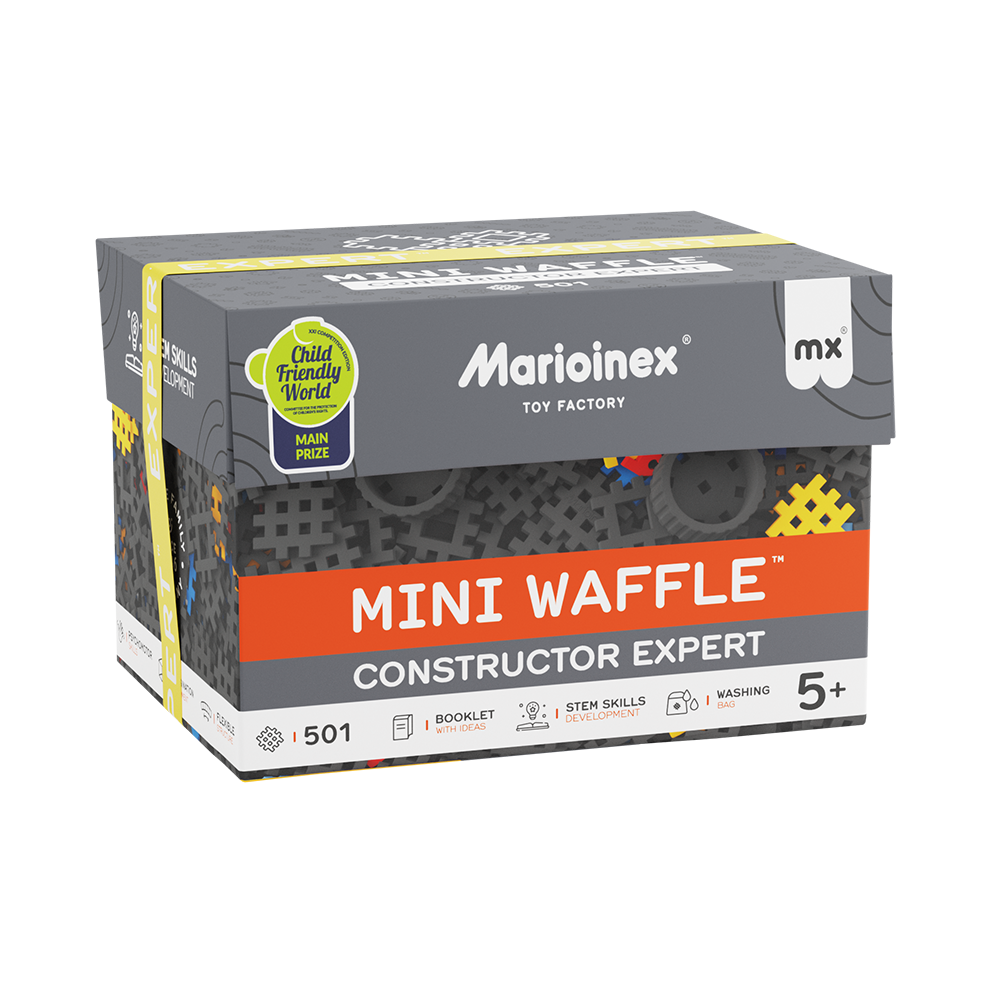
Mini Waffle
Constructor Expert 501
Mini waffle
Constructor Expert
501 pcs
£73,19
Size of single piece: 3,5cm
Product code: 904084
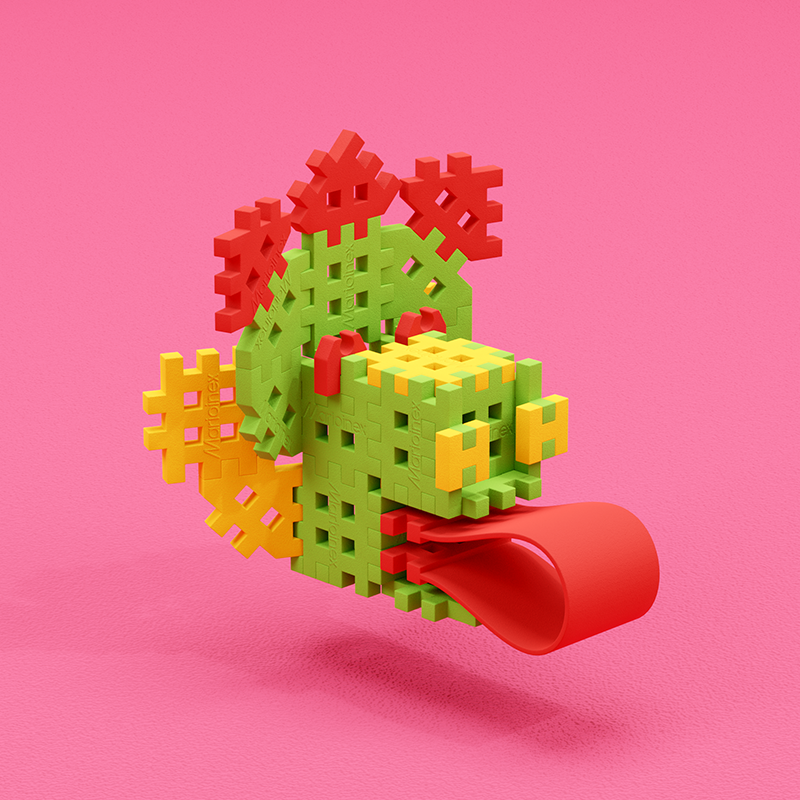
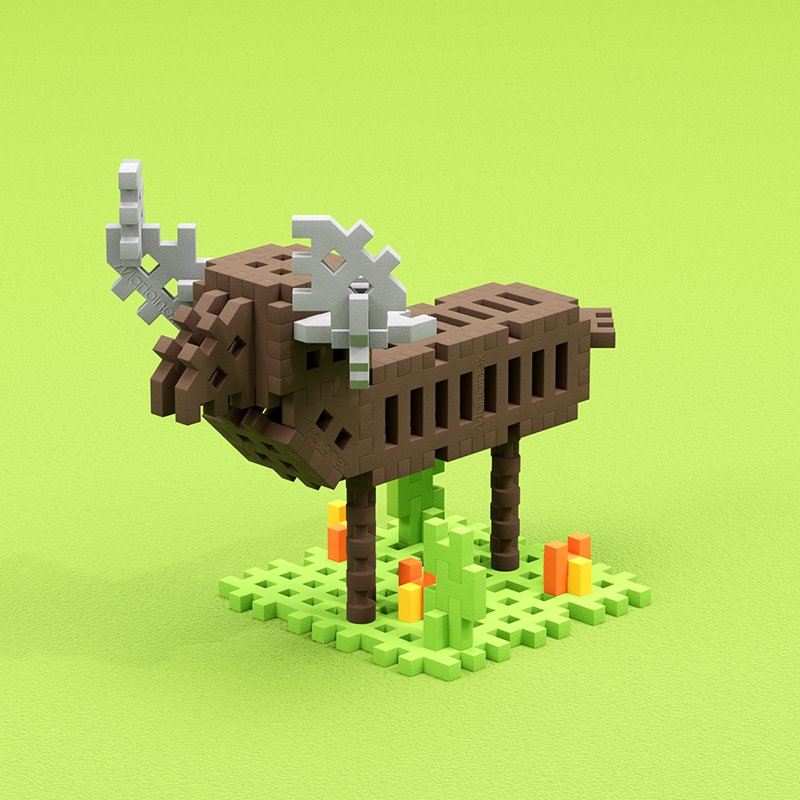
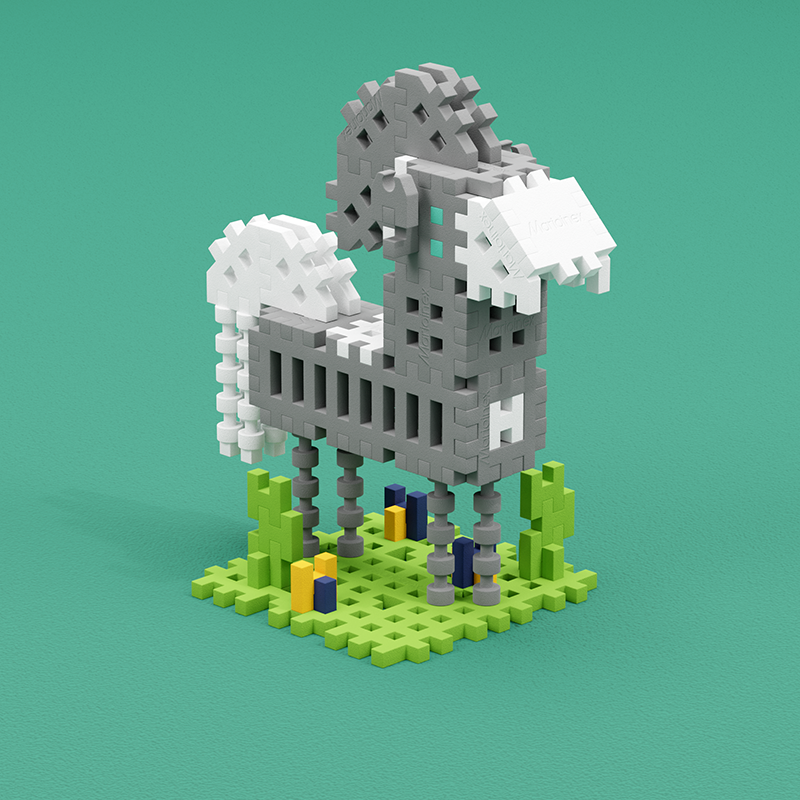
Blocks for small (and bigger too!) construction enthusiasts. Mini Waffle Constructor Expert 501 is a set that makes building possibilities almost limitless! The variety of shapes of elements with special applications and their large quantity allow for the creation of three-dimensional shapes of vehicles, buildings, and characters according to the instructions included in the set. Your child, with enthusiasm and the skill of a true expert, will construct a house, windmill, airplane, train, or helicopter. And if they wish, they can create any form using only their own imagination! It develops children’s imagination, manual skills, and teaches logical thinking.
Blocks for preschools and schools
In public institutions, practicality matters most—teaching aids are in constant use, passed from one child’s little hands to another. Building blocks for preschools should be more than just a toy—their main purpose is to support the achievement of educational goals and the development of teachers’ competencies. It is important to note that construction toys are not merely an add-on in a child’s education. They are an element included in the requirements of preschool education—by the time a child finishes preschool, they initiate play, create, tinker, and build. That is precisely why educational blocks in preschool and school have become a standard—and why Marioinex’s offer is a natural choice for these institutions. Are you interested in blocks for preschoolers? You’re welcome!
Hassle Free Delivery
All orders are processed within 1-2 working days.
Our typical delevery time frame is 10-14 working days.
Depending on your location you may receive your items earlier.
We have establish Partnerships with our carriers DPD, Eagle Transport, Fedex, UPS and try to deliver all packages within specified time frame.
Please note that we cannot be held responsibilities for delays of packages due to weather, incorrect address information.
We will do our best to resolve any issue for all our customers regarding returns,claims or lost packages to the best of our ability.
Simple and Transparent Ordering process
We require all items to be paid before dispatch.
You can pay by check or bank transfer / all our bank details (HSBC) you will find on your invoice.
You will receive an email confirmation of your order containing a copy of the invoice which you can use to raise the payment.
You place an order from our website using product code and email us on: kris@carefinatoysandmore.com
Your invoice number is a reference number.
All prices displayed are included VAT.
Our product come with 24 months of warranty against manufacturing defect.
We are also happy to assist with sending out any spare items and replacement pieces.
Please make sure the address of delivery is correct and provide us with phone number as well and contact person.
Delivery cost and estimated shipping time will be calculated based on your location and size of your order.
Please note that the final delivery will be confirmed before you place final order.
We always ensure that every item we offer to sell has all CE UKCA marks and has undergone all necessary testing.
All toys we import directly from Marioinex Toy Factory in Poland and the prices are "factory gate prices" represent the cost of toys directly from manufacturer.
We are not selling other brands, only Marioinex brand.
Education
Safe Toys for a Small Child - Which Ones to Choose?
Safe Toys for a Small Child - Which Ones to Choose?
When choosing toys for small children, we should be guided not only by their attractiveness, but above all by safety. A good toy brings joy and supports a toddler’s development, while at the same time posing no danger. Below, we present the most important aspects worth paying attention to so that new toys are both safe and suited to the child’s age.
When choosing toys for small children, we should be guided not only by their attractiveness, but above all by safety. A good toy brings joy and supports a toddler’s development, while at the same time posing no danger. Below, we present the most important aspects worth paying attention to so that new toys are both safe and suited to the child’s age.
Matching the Toy to the Child’s Age
Always check the age recommendation provided by the manufacturer on the packaging. Every legally sold toy should include information about the age group it is intended for. Even if it seems to us that our child is developing faster than their peers, it is better to follow the age recommendations – a toy that is too complicated may cause frustration instead of fun. For example, a three-year-old child will not yet fully benefit from a game intended for primary school students, and the small parts of such a toy may be dangerous for them.
Particular caution should be exercised around the 3-year age threshold. For children under the age of three, only toys without small parts that could be swallowed or put into the nose or ear are intended. If a product contains small parts, the manufacturer is required to include a warning that it is not suitable for children under 3 years of age – usually this is the crossed-out 0-3 symbol with information about the risk of swallowing small parts. Therefore, when buying a toy marked 3+, make sure that the child has already reached that age and understands how to play with it safely. Let us also remember younger siblings – even a toy that is safe for a five-year-old and contains small blocks should be kept out of reach of a toddler who might put it in their mouth.
Solid Construction and Quality Workmanship
A safe toy is one that is carefully made and durable. Before buying, it is worth examining the item (or reviewing detailed photos and the description in an online store) for potential mechanical hazards. Pay attention to whether the toy:
- Has no sharp edges or pointed elements: Any sharp edges, hard protruding parts, or glass fragments may cause cuts or injuries during play. The product should have a smooth finish, without dangerously sharp details.
- Contains no loose parts: All parts of the toy must be securely attached. A well-made doll does not lose, for example, buttons or eyes, and a stuffed toy does not have loose threads that a child could easily pull off. If something could come off during energetic play, such a toy should not end up in the hands of a small child.
- Is stable and resistant to intensive use: This applies especially to ride-on or climbing toys (such as ride-ons, scooters, small bicycles) – they should have a solid construction that ensures balance. But even simpler items, such as blocks or puzzles, must be made of durable materials that will not crack or fall apart into dangerous pieces.
Assessing quality may be difficult without unpacking the product, which is why it is worth buying toys from well-known manufacturers and trusted stores. In brick-and-mortar stores, we can check the toy ourselves, and in the case of online shopping – we should carefully read descriptions and reviews from other parents. A well-constructed toy will serve the child for a long time without breaking after the first fall, and above all will minimize the risk of an accident during play.
Safe Materials and Raw Materials
Another key criterion is the material the toy is made of. For small children, non-toxic and hypoallergenic materials are best. Unfortunately, not all toys (especially the cheapest ones of unknown origin) meet strict chemical standards. Here is what to pay attention to when it comes to materials:
- Absence of harmful substances: Make sure the toy does not contain toxic chemical compounds such as phthalates, BPA (bisphenol A), or harmful dyes. It is worth looking on the packaging for information such as “phthalate-free,” “PVC-free” or “BPA free”. Such markings indicate that the manufacturer has taken care of the product’s chemical safety.
- Neutral smell: Avoid toys that smell strongly of chemicals or plastic. A strong, irritating smell from a new toy may indicate the use of unsafe glues, paints, or plasticizers. A toy should be odorless or have only a neutral material smell. If it gives off an artificial odor, it is better not to buy it – smell is often a signal of the presence of harmful substances, such as toxic paints or undesirable additives in the material. An exception may be smells indicating that the toy is coated with a safe substance that makes it bitter. In this case, it is a deliberate measure intended to prevent the child from chewing the toy.
Let us remember that small children also explore the world by putting things into their mouths. That is why material safety is essential – the toy will be chewed, licked, squeezed, so it must not release any toxins or crumble. By choosing a product from a reputable company, we gain greater confidence that the materials have been tested and approved for children.
Certificates and Markings Guaranteeing Safety
Toys for children are subject to strict standards in Poland and the European Union. Before being placed on the market, they must meet the requirements of the EU Toy Safety Directive and relevant standards (including PN-EN 71 concerning mechanical safety, chemical safety, and flammability). For a parent, the simplest way to verify this is to check the markings on the packaging. Pay particular attention to:
- The CE mark (Conformité Européenne): A mandatory marking showing that the toy meets European safety standards. The CE symbol confirms the product’s compliance with requirements regarding construction, materials (e.g. the absence of toxic chemicals), and resistance to ignition. If a toy does not have the CE mark – it is better not to buy it.
- The warning “not suitable for children under 3 years”: This is a graphic sign (most often a red circle with a crossed-out child’s face and the number 0-3) together with a short description. It informs that the toy contains small parts or other features dangerous for toddlers and must not be given to younger children. If you are buying a toy for an older child and see this symbol, remember to keep it away from younger siblings.
- Approvals and certificates from independent institutions: Look on the packaging for quality marks granted by recognized institutions. For example, the Mother and Child Institute Certificate or a positive opinion from the National Institute of Public Health indicate that the product has been thoroughly tested by specialists for child safety and health. You can also often find the TÜV/GS certificate, awarded by independent laboratories – it ensures that the toy’s materials and construction have been checked for safety. Additional ecological markings, such as PEFC/FSC (for wooden toys), in turn indicate that the product was made with respect for the environment.
The more credible certificates a toy has, the greater the probability that it is truly safe. Remember, however, to distinguish official approvals from empty marketing slogans. Check who granted a given certificate – ideally it should be a state institution or an independent laboratory. If in doubt, you can look online to see whether a given marking is trustworthy.
The packaging or label of the toy should also include the manufacturer’s/importer’s details (company name, address) and instructions or warnings in Polish. The absence of such information may suggest that the product did not go through official certification or is intended for another market – and that is a sign that it is better to look for another toy.
Shared Play and Parental Supervision
Despite all approvals and the best intentions of manufacturers, parental vigilance can never be completely replaced. Even the safest toy should be used under adult supervision, especially when a child is getting to know it for the first time. Let us observe how the toddler plays with a new item – whether they are trying to use it in an inappropriate way (e.g. putting something in their mouth that they should not) and whether the toy really withstands the rigors of play. Our presence will allow us to quickly notice any potential hazards and prevent them. What is more, playing together is an invaluable opportunity for a child to learn. Let us remember that the greatest joy and development come from combining a good toy with the caregiver’s attention and involvement – time spent together is more important than the most expensive electronic gadget.
Safe and Creative Marioinex Toys
There are many toys on the market that meet the above criteria – including products from Marioinex, a Polish manufacturer of blocks and creative toys. In the Marioinex range, we can find, among others, construction blocks (various series adapted to the child’s age), vehicles for self-assembly, as well as sand toys ideal for the yard. They all have one thing in common: they are made of safe materials and designed to stimulate the imagination of the youngest children.
Our Marioinex Blocks deserve particular attention because they combine educational features with exceptional safety. They were created with little hands in mind – they are flexible, soft, and free of sharp edges, while at the same time very durable. We make them from high-quality plastic with a special formula that contains no toxins. Thanks to this, the elements fit together easily, do not crack, and playing with them is completely safe even for an energetic preschooler. For example, the flagship Mini Waffle series is made of a rubber-like material – the blocks are flexible, colorful, and pleasant to the touch, which additionally encourages children to engage in creative play.
We offer block sets adapted to different age groups, so that every toddler can find something for themselves. The larger elements of Classic Blocks are suitable for children from the age of 3, while the more complex Micro Waffle (with slightly smaller components) are recommended for children over 5 years of age. Regardless of the series, however, all toys undergo quality tests and meet European safety standards. Since 1986, we have been proving that a safe toy can go hand in hand with excellent fun and child development. By choosing Marioinex products, parents can be sure that they are giving their children the very best – durable, imaginative, and completely safe toys.
Sensory Play
Sensory Play
Sensory play activities significantly affect a child’s development, especially their ability to receive, process, and respond to stimuli coming from the environment. By stimulating the senses – touch, sight, smell, and taste – they help the child better understand the world around them and cope with everyday challenges. Below, we present several creative activities that positively influence a child’s multisensory development:
- Fragrance Factory.
Prepare tiny jars or bottles and linseed oil, almond oil, or olive oil. In small bowls place, for example: lemon zest, lemon juice, orange zest, orange juice, fresh or dried lavender, cinnamon, cloves, mint leaves. Let the child crush, cut, and mix the ingredients and experiment with scents. Pour the ones they like together into bottles or jars. This way, you will create your very own essential oils!
- Painting with Feet.
Prepare a large sheet of paper, containers with paint, as well as brushes and sponges. Let the child paint using their feet. Apply the paint directly onto their feet or onto the paper.
- What’s Inside?
Prepare several small containers, e.g. small plastic eggs. Put inside them: salt, groats, peas, rice, sugar, beans, shells, gravel. Ask the child to shake the containers and, by listening to the sound, try to guess what is inside.
- Art Project with Loose Materials.
Prepare a large sheet of paper, glue, and ground coffee, salt, oregano, rosemary, bay leaves, and other selected spices. Create an extraordinary art project out of them!
- Fossils.
Prepare salt dough together and roll it out. It will be your “canvas.” Create a three-dimensional picture by pressing shells, flowers, small stones, and twigs into it. You can also make their imprints.
- Laboratory.
Prepare three glasses of water colored with paints or food coloring in the primary colors – yellow, blue, and red. Give the child a syringe and additional empty containers. Let them mix the colors and draw conclusions.
- Sensory Stress Balls.
Place into balloons: flour, rice, beans, peas, small stones, shells, buttons. Tie them up and mix them together. Using touch, try to guess what each balloon is filled with.
- Button Pictures.
Arrange colorful buttons to create different shapes – a house, a garden, flowers, a race track. Let your imagination run wild and compose various patterns!
- With Eyes Closed.
Arrange a simple pattern using blocks. Cover the child’s eyes and ask them to recreate it. Switch roles.
Or draw a simple picture. Ask the child to try to recreate it with their eyes closed.
Play is the most effective and attractive way to develop and integrate the senses. Thanks to it, the child gets to know the world in a natural and effortless way. Play, experiment, and discover the world in a multisensory way!
The article was created in cooperation with educator Klaudia Sokołowska Baryś
A Child’s Cognitive Development – How to Support It?
A Child’s Cognitive Development – How to Support It?
A child’s cognitive development, meaning the development of their mental abilities, is the foundation for future learning and independence. Every parent wants to support their child in discovering the world and acquiring new skills. So how can you help your little one develop memory, attention, thinking, and other cognitive functions in a wise and effective way? Below we present the most important information and practical tips.
What Is a Child’s Cognitive Development?
Cognitive development is the process of improving cognitive skills thanks to which a child gets to know the world and copes with situations they encounter. It includes basic mental functions such as perception, memory, attention, language, and logical thinking. In other words, it is the child’s ability to learn, understand their surroundings, and solve problems. The development of these functions begins from the very first moments of life and continues throughout childhood – each child goes through this process at their own pace, but for all of them it is crucial for intelligence and further education.
In practice, cognitive development is reflected in a toddler’s everyday progress: from recognizing faces and sounds in infancy, through the rapid development of speech around the age of 2–3, to increasingly efficient reasoning in preschool and school age. During the preschool years (around ages 3–6), there is a dynamic development of memory, thinking, and attention, and the main form of a child’s activity is play – gradually becoming more complex, from individual play to group and construction play. Around the age of 4–5, the “age of questions” appears – the child asks lots of “why?” questions, thereby exercising curiosity and the ability to think. In early school age (around 7–10 years old), children begin to think more logically based on concrete experiences, can categorize information, and gradually extend the time they can concentrate on a task (for example, children aged 9–10 can focus their attention for 20–30 minutes). Although full understanding of abstract concepts will only come in adolescence, already at this stage children learn the basics of cause-and-effect thinking and planning their own actions.
Why Is It Worth Supporting Cognitive Development?
A child’s cognitive abilities form the basis of their future success in learning and everyday life. It is thanks to them that a toddler learns to solve problems independently and put their own ideas into practice. Well-developed cognitive functions translate into easier acquisition of knowledge at school, better orientation in new situations, and the ability to think logically. Supporting intellectual development from the earliest years of a child’s life is an investment in their self-confidence and curiosity about the world for years to come.
Research and the experience of educators show that children whose cognitive development is stimulated from an early age cope better with educational and social challenges later on. Developing memory, concentration, or language helps a child not only in school learning, but also in everyday functioning – from remembering the rules of a game, through planning play, to understanding their own feelings and those of others. What is more, curiosity and creativity stimulated in childhood often turn into passions and the ability to think outside the box in adult life. It is therefore worth supporting your little one at every step of this intellectual journey, while remembering that learning in childhood takes place mainly through play and positive experiences.
Create a Stimulating Environment for Your Child
An environment rich in intellectual stimuli supports a child’s cognitive development. It is important to provide your little one with a variety of experiences appropriate to their age – however, this is not about excess (overstimulation), but about thoughtful activities that encourage thinking and discovery. A child learns best when they have the opportunity to explore the world with all their senses, so the parent’s role is to create a safe space full of inspiring possibilities.
How can this be done in practice? Here are several ways to create a stimulating home environment:
- Access to books, games, and educational toys: Provide your child with age-appropriate books, simple educational games, and construction toys (e.g. blocks, puzzles). These materials encourage independent discovery and exercise various skills.
- Diverse experiences: Organize trips together to interesting places – museums, parks, the zoo, or the library. New environments broaden a child’s horizons and provide topics for conversation.
- Exploration of different fields: Let your child try a variety of activities in line with their interests. Art activities, nature experiments, cooking together, DIY projects, music, or sports – each of these forms both entertains and teaches, developing different areas of the brain.
- Limiting electronics: Make sure that screen time (TV, tablet, phone) is strongly limited and certainly does not dominate the daily schedule. Instead, encourage play that requires imagination and physical activity. Excessive electronics can inhibit a child’s natural creativity, while traditional play develops it better.
Remember that a friendly, warm atmosphere is just as important as the number of toys or activities. A child is more willing to discover the world when they feel safe and know that they will receive the parent’s attention and support when needed. A stimulating environment therefore means not only objects and places, but above all your time devoted to the child – reading together, talking, answering questions, or explaining unfamiliar phenomena.
Learning Through Play
Play is the simplest and at the same time the most effective form of stimulating a toddler’s cognitive activity. Children learn while playing – without even noticing when they acquire new information and skills. During various games and activities, the child absorbs knowledge about the world, develops imagination, and tests their ideas in practice. It is therefore worth consciously suggesting such forms of play that, besides fun, bring “added value” in the form of exercising memory, thinking, or concentration.
Examples of developmental play for children:
- Doing puzzles and matching games: Puzzles (even simple ones with just a few pieces for toddlers) teach patience and observation skills, and also develop logical thinking and hand-eye coordination. Similarly, matching shapes or pictures (e.g. a memory game involving matching picture pairs) trains a child’s memory and attention.
- Building with blocks: Constructing with blocks is not only entertainment, but also an excellent mental exercise. The child must plan their actions (how to build a tower so that it does not fall over?), solve problems (what to do when the right block is missing?), and show creativity by creating their own structures. Such play develops spatial imagination, teaches cause-and-effect relationships, and basic concepts from physics (e.g. balance). At the same time, the child learns colors, shapes, and also practices fine motor skills.
- Board games and logic games for the youngest children: Simple board games adapted to the child’s age (e.g. puzzles, picture lotto, games such as “Memory,” dominoes with pictures) teach following rules, age-appropriate strategic thinking, and coping with emotions (winning, losing). By playing, the child learns to predict moves, concentrate on the task, and cooperate with a partner or compete in a friendly way.
- Themed play and role-playing: Playing shop, cooking, doctor, firefighter – all kinds of pretend-play scenes engage the imagination and allow the child to process what they have observed in the adult world. By creating fictional situations, the child learns creativity, but also develops social skills – they must communicate their ideas, negotiate roles, and follow the invented rules of the game. Playing different roles in this way expands understanding of the world and vocabulary (for example, the child learns the names of objects and activities related to a given role).
- Movement games with elements of competition: Simple contests such as who can build a tower of cups first, obstacle races at home or on the playground, dancing and freezing still on command – all of this is fun and at the same time teaches concentration, movement planning, and quick information processing. Movement combined with thinking (e.g. remembering a dance routine, reacting to changing rules) engages the brain multisensorily, which promotes the formation of new neural connections.
Learning through play brings the best results when we follow the child’s signals – we suggest what they are currently interested in and what brings them pleasure. Then the little one is engaged, focused, and absorbs new skills with joy. Weaving educational elements into everyday play (e.g. counting blocks while building, naming colors while drawing) is an excellent way to teach a child indirectly, without pressure or boredom.
The Power of Reading and Talking with Your Child
Reading books and having frequent conversations with your child are some of the simplest and at the same time most powerful tools for stimulating cognitive development. Even just a dozen or so minutes of reading aloud every day enriches a toddler’s vocabulary, develops their imagination, and broadens their knowledge of the world. Conversation – even about seemingly trivial matters – teaches expressing thoughts, asking questions, and building relationships. These everyday activities support intellectual development just as strongly as sophisticated educational toys.
The benefits of reading and storytelling are invaluable. Books stimulate a child’s curiosity and shape their language competence from the earliest years, which later translates into ease in learning to read and write. Looking together at illustrated books and naming what is in the pictures develops a toddler’s perception and attentiveness. Regular reading of fairy tales and stories, in turn, enriches vocabulary and deepens knowledge about the surrounding world – the child learns new concepts, natural phenomena, other cultures, or interesting facts about the animal world. It is worth choosing books that match the child’s interests or feature their favorite characters so that reading truly draws them in.
Talking with a child is just as important as reading. Try to talk with your child every day – ask what they liked today, what interested them, or what they drew in preschool. Ask open-ended questions that encourage the child to give a longer answer (e.g. “Why do you think that happened?”, instead of only “did you like it?”). Such questions encourage the little one to think independently and develop their thoughts into words. By talking about their day or inventing the ending to a story, the child practices memory (because they have to recall events) and the ability to logically connect facts into a cause-and-effect sequence.
Let us also not forget about songs, poems, and rhymes – singing and reciting together is not only fun, but also training for memory and phonemic hearing. Learning simple rhymes or counting-out verses (for example “Sroczka kaszkę warzyła…” or the English “Itsy Bitsy Spider”) helps the child sharpen attention to language, rhythm, and sequences – and at the same time expands their vocabulary.
In short, be talkative and curious in contact with your child. Tell them about different things, explain, ask for their opinion. A child who participates in conversations and has books read to them from the earliest years naturally learns to think because they see it in action. This creates a solid foundation for further cognitive development.
Developing Curiosity and Creativity
Children’s natural curiosity is the driving force behind their cognitive development – it is worth nurturing and stimulating it. From birth, a child is a little explorer: they investigate, experiment, ask questions. The role of adults is to support this innate desire to learn by providing stimuli and encouraging creative thinking. When a toddler sees that their questions and ideas are met with interest, they will be more willing to keep trying, investigating, and learning new things.
How can curiosity be supported? Above all, let the child ask questions and look for answers on their own. If your child becomes interested in something (e.g. insects in the garden, space, cooking), follow that lead: read books on the topic together, watch educational films, carry out simple experiments. Following a child’s natural interests is one of the most effective ways of stimulating their cognitive development. For example, if your little one is fascinated by stars – take them to a planetarium or observe the night sky together through a toy telescope. If they are interested in dinosaurs – visit a dinosaur park or make a home excavation by burying “bones” in the sand. Such learning through real experience leaves a more lasting mark in the child’s mind than dry explanations from a book.
Encourage experimenting and discovering. You can do small age-appropriate experiments together – for example mixing paint colors, playing with a magnet, growing a bean on wet cotton wool, or checking what floats and what sinks in water. In safe conditions, the child can then find out for themselves “what will happen if…”, developing cause-and-effect and critical thinking. Getting to know nature is equally valuable: walks in the forest, observing insects, watering plants together teach attentiveness and drawing conclusions from observation (e.g. a plant withers without water). Once awakened, curiosity about the world can take a child very far – perhaps it will turn into a genuine scientific passion in the future.
Creativity goes hand in hand with curiosity. Let your child create – whether these are drawings, block structures, their own songs, or invented stories. Such creative acts teach independent thinking, self-expression, and breaking patterns. Do not scold them that the grass in a drawing is not blue – it is more important that the child is experimenting with colors and using their imagination. Provide materials for creative play: crayons, paints, modeling clay, boxes for building their own toys, old clothes for dressing up. The more creative the play, the more intensely the child’s brain works, connecting facts, creating new ideas, and looking for solutions.
When developing curiosity and creativity, one more thing must not be forgotten: time and boredom. A child needs a moment to come up with something on their own – if we constantly organize activities for them, they have no opportunity to activate their own initiative. Sometimes it is worth leaving the little one alone with toys or simply allowing them to be bored. It is precisely then that the most interesting ideas for play are born in their mind, and the young explorer learns how to occupy themselves.
Playing Together and Emotional Support
Cognitive development does not take place in isolation from relationships with other people. Children learn the most through interactions – both with adults and peers. Playing together, talking, and sharing emotions create a context in which little explorers feel safe and can fully use their intellectual potential. That is why it is so important for parents to actively participate in the child’s life and provide emotional support at every stage of learning.
Play with your child and encourage them to play with others. When a parent builds with blocks with a toddler, plays a board game, or acts out scenes together – this not only builds a bond, but also stimulates the child’s mind. During shared activity, the parent can ask questions (“What will happen if we put the block here?”), guide them toward a solution, explain more difficult issues, or simply model a way of thinking. By observing the adult, the child learns an approach to tasks – for example, that it is worth trying different solutions, that mistakes are something natural, and that we enjoy not only winning but also the fun itself. Playing with siblings or peers, in turn, presents young children with different challenges: it teaches sharing, cooperation, healthy competition, and communicating their needs within a group. During conflicts over a toy or a game rule, children learn negotiation and understanding other people’s points of view – and these are also important aspects of intellectual and social development.
Show patience and support. Every child sometimes encounters difficulties – whether while doing a difficult puzzle or understanding a new concept. The parent’s attitude then plays a key role. The greatest support for cognitive development is the kind and caring interest shown by adults. It is worth showing enthusiasm for the child’s discoveries, praising their effort and perseverance (instead of focusing only on the final result), and calmly explaining mistakes. When the little one sees that they can try without fear of criticism, they are more willing to take on intellectual challenges and learn from mistakes. Let us avoid doing everything for the child – it is better to show them how to do something and encourage them to try independently. Even if something does not succeed at first, a patient approach and emotional support build a sense of self-efficacy, which is essential for the child to approach new tasks with curiosity.
Finally, let us remember: every child develops at their own pace. Comparing them with others makes no sense – it is better to focus on creating conditions for the toddler’s optimal development according to their own abilities. A warm, accepting relationship with a parent gives a child wings and motivation to discover the world.
Blocks and Construction Toys – Supporting Cognitive Development
Construction toys, and especially various types of blocks, are among the best tools for supporting cognitive development through play. Arranging, building, and constructing engages many mental functions at the same time: the child plans, experiments, draws conclusions from failures, and enjoys the results of their work. Such play naturally teaches logical thinking, exercises concentration, and develops spatial creativity.
Our blocks were designed precisely with the all-round development of little ones in mind. By playing with them, a child develops fine motor skills (manipulating small elements, which will make learning to write easier in the future), and also learns concentration and patience – larger constructions require focus and calm placement of blocks. Blocks also offer space for unlimited creativity: from the same set of elements, one day a princess castle may be created, the next day a garage for cars, and another time a space rocket. The child learns that there are many ways to implement an idea, develops imagination, and out-of-the-box thinking. What is more, building together with a sibling or parent is a great lesson in cooperation and communication – planning together, sharing blocks, solving problems together (e.g. “what can we use to make a roof if we’ve run out of pieces?”).
All of these advantages make it worth encouraging your child to engage in construction play. Blocks are not just a toy – they are a learning tool. In a friendly, stress-free way, they support a child’s cognitive development, preparing the ground for future intellectual challenges. So let there always be room on the toy shelf for colorful blocks – by investing in them, we invest in the development of a young mind eager for knowledge.
To sum up: a child’s cognitive development can be supported in many different ways – by providing them with an environment rich in stimuli, through shared play, reading and conversations, encouraging creativity, and wise educational toys. The most important thing, however, is to do it with love and patience. For a small child, learning is discovering the world together with close loved ones. By showing interest in the child’s world, answering their questions, and accompanying them in cognitive adventures, we give them the best possible start. Every small step on this journey – the first completed puzzle, the first book read independently, or a tower built with blocks by their own hands – is a huge achievement for a developing mind. Let us support these steps with enthusiasm, and then our child will not only spread the wings of intellect, but above all come to love learning and discovering the world, which will be an invaluable foundation for life.
Sources: The development of this article made use of, among other things, guidance materials from psychologists and educators as well as publications on child development, including selected content from educational and parenting websites zspstrykowo.edu.pl epozytywnaopinia.pl akademiamadregodziecka.pl joanna.energiemam.pl. All of the advice presented is consistent with current knowledge regarding the cognitive development of preschool and early school-age children. Thanks to it, every parent can better understand their child’s needs and how to support their child’s small yet great process of discovering the world.
What Are Contrast Toys – From What Age Can Older Children Play with Them?
What Are Contrast Toys – From What Age Can Older Children Play with Them?
Contrast toys are mainly associated with infants – all those black-and-white books, cards, and plush toys that are meant to attract a baby’s attention. No wonder, because newborns see bold, contrasting patterns best. But do contrast toys only make sense during infancy?
Contrast toys are mainly associated with infants – all those black-and-white books, cards, and plush toys that are meant to attract a baby’s attention. No wonder, because newborns see bold, contrasting patterns best. But do contrast toys only make sense during infancy? As it turns out, they do not. Older children, at preschool and early school age (3–9 years), can also benefit greatly from playing with contrasting stimuli. In this article, we will explain what contrast toys are and why they are important, how they support the development of vision, perception, and concentration in older children, what forms of play with contrast are suitable for children 3+, what to pay attention to when choosing such toys, and we will also provide examples of activities and products. All of this will be presented in accessible language so that every parent can draw practical conclusions for their child.
What Are Contrast Toys and Why Are They Important?
Contrast toys are a type of sensory toy characterized by strong, clear combinations of colors and patterns. The classic version is a combination of black and white, often with the addition of red or yellow, as well as simple geometric shapes and outlines. This set of colors is not accidental – for the youngest children, strong contrast is the easiest to notice and the most stimulating for vision. Contrast illustrations stimulate a child’s sense of sight and help them focus their attention on an object. In other words, thanks to clear differences in colors and motifs, it is easier for a child to notice something and stay interested in it for longer.
Why is this so important? Vision and visual perception (that is, the ability to recognize and interpret what the eyes see) develop gradually with a child’s experience. A newborn sees unclearly and within a limited color palette, but already in the first months of life we can stimulate vision precisely through contrasting stimuli. It is believed that well-stimulated visual perception means easier learning of skills such as reading, writing, drawing, and even more efficient movement in space in the future. Initially, contrast toys help infants practice visual concentration and hand-eye coordination, for example when a baby tries to grab a patterned teether. However, older children also continue to benefit from clear stimuli – although their vision is already sharper, they are still learning to use their eyes and brain effectively to observe the world. In preschool and at school, good visual perception translates into better recognition of the shapes of letters and numbers, doing puzzles, copying pictures, and other activities that require observation skills. Contrast toys and play involving contrast are therefore not just a “trend for babies” – they are real support for the proper development of vision and concentration, also in older children.
The Impact of Contrast on Vision, Perception, and Concentration in Children Aged 3–9
At preschool age, children already see almost as well as adults in terms of sharpness and distinguishing colors. Studies show that contrast sensitivity and visual acuity reach a mature level around the age of 5–6. This does not mean, however, that “visual” development is over – on the contrary, a child’s brain is learning to interpret visual information better and better. Between the ages of 3 and 9, a child makes enormous progress in visual perception, meaning the ability to notice details, differences, and relationships in what they see. These skills translate into practice: a preschooler with well-developed visual perception will learn to recognize letters and numbers more easily, will cope better with puzzles, and later at school with learning to write and geometry. It is therefore worth continuing to “train” the child’s eye through appropriate play.
Contrast and Perception
Toys and materials with clear contrast can support the development of visual perception because they highlight the features the child is meant to pay attention to. For example, a black-and-white illustration with a simple pattern immediately catches the eye – the child will quickly notice the shape and may name it. With a more complicated, pastel image, this could be more difficult. Contrast helps children notice differences and similarities and teaches them to compare elements. This, in turn, is the basis of many school skills, including distinguishing similar letters (p vs b, 6 vs 9, etc.) or matching shapes. By playing with contrast puzzles or memory games, a child practices observation skills and visual analysis – that is, the ability to break an image down into details and then put it back together as a whole. Such play refines the child’s already acquired visual skills and prevents possible difficulties (e.g. later problems with reading).
Contrast and Concentration
It is worth remembering, however, that concentration in an older child is not only about attracting attention, but also about maintaining it for longer. Once a child begins engaging in intentional play (so-called voluntary attention appears around the age of 3), overly strong or too numerous stimuli may interfere. A contrast toy should therefore be interesting, but not overwhelming. Too many colors and patterns at once may distract the child instead of helping them focus. That is why a simple design often works better – for example, a puzzle with large black-and-white elements – than very detailed graphics in rainbow colors. In summary, contrast in toys benefits concentration when it is used skillfully: it gives the child a clear, distinct point of focus and eliminates the “noise” of irrelevant details.
Ideas for Contrast Play for Children 3+
How can you practically play with your child using contrast toys or patterns to support their development? Here are a few suggestions adapted for children from around the age of 3 and up:
- Puzzles and jigsaws with a clear pattern – Choose puzzles that have large, contrasting elements. This may involve putting together a picture from a few pieces where the shapes have distinct colors (e.g. a red block fits into a red opening on a board). Matching elements to the right places develops visual observation skills and logical thinking. For younger preschoolers, simple wooden puzzles with handles (e.g. black animals on a white background) will be suitable, while for older children – more complex contrast-based puzzles, e.g. 3D puzzles or mosaics where a pattern must be recreated. It is important that the pattern is not “bland” – the outlines and colors should be clearly distinguishable.
- Spot-the-difference games – Prepare two seemingly identical illustrations with a few small differences (you can find books or print out “find the differences” pictures). The child’s task is to find all the differences between the pictures. It is best if the graphics are fairly simple, with clear shapes – then the child will not become discouraged by an excess of details. This game is excellent for training observation skills and concentration because the child must carefully scan each picture with their eyes while comparing elements. You can start with 5 differences for a 4-year-old, and with a 6–7-year-old try more complicated drawings with 10 or more details to find.
- Memory with contrast pictures – The classic memory (memo) game involves finding pairs of identical pictures hidden in face-down cards. For little ones, it is worth choosing a set with simple, contrasting illustrations – for example black silhouettes of animals on a white background, red and yellow fruit, etc. The more vivid and different the graphics are from one another, the easier it is for the child to remember them. This game trains both visual memory and the ability to concentrate and distinguish images. At first, you can play by revealing fewer pairs (e.g. 6 pairs instead of the whole deck) so that the child does not feel overwhelmed. Gradually increase the number of cards or choose sets with finer details to raise the level of difficulty with age.
- Drawing and coloring with contrast – Art play can also involve contrast. Give the child black paper and white chalk – creating a drawing in white on a dark background is an interesting reversal of typical coloring activities and a great exercise for the imagination. You can also play with drawing outlines: draw a simple shape with a thick black line on white paper, and the child’s task will be to fill it in (color it) without going outside the line. A thick, contrasting border line will make it easier for younger children to control the crayon and provide satisfaction from a nicely colored picture. Older children can create pictures themselves using only black, white, and one color – such a limited palette stimulates creativity and at the same time shows how important proper contrast is in the reception of a drawing.
- Light and shadow – Contrast is not only about colors, but also about light vs. darkness. Playing with a flashlight in a darkened room can be fascinating even for 7–9-year-olds. You can create a shadow theater – set up a lamp and use your hands or figures cut out of black paper to act out scenes on the wall. The child learns to recognize shapes by their outline (which is yet another form of visual perception) and experiments with how the size of a shadow changes depending on the distance from the light source. Another idea is a shadow hunt – on a sunny walk, you can look for the most interesting shadows cast by objects (for example, a fence creates stripes, leaves create moving patterns). Then draw what you observed. These kinds of activities teach children to look carefully at contrasts in their surroundings and sharpen their eye for details.
- Games with letters and shapes – For children of early school age (6–9 years), contrast is useful when learning to write and read. You can play at making simple words from large letters (e.g. magnetic ones or letters written on cards) – it is best if the letters are in one color on a uniform background, then they are easier to read. A black or colored letter on a white sheet of paper is a classic that does not strain the eyes. A great idea is also a board or wall sticker board and writing on it with white chalk – children are often more willing to write with chalk than with a pencil. You can draw large letters or numbers, and the child’s task is to recognize them or find objects in the room that begin with a given letter. The contrast between the white chalk dust and the black background of the board makes the shape of the letter very clear. Such games prepare children for learning to read while still remaining a form of play rather than a typical “lesson.”
What to Pay Attention to When Choosing Contrast Toys for an Older Child?
Now that we know that a preschooler or first-grader can also play with contrast toys, the question arises: how do you choose the right contrast toy for a child aged 3+? Here are a few issues worth paying attention to:
- Safety and age appropriateness – Make sure the toy is intended for a child of the appropriate age. Many contrast toys are designed with infants in mind, so for a three-year-old they may be too simple, but at the same time they are usually soft and free of small parts (safe). On the other hand, if you are choosing a game or puzzle for an older child, check whether the set contains very small pieces that a younger sibling could swallow. The general rule is: below the age of 3, avoid small parts – but for children aged 3+ you can already reach for more complex sets. Also check the quality of workmanship: are the elements durable, non-toxic, and do the paints not rub off? Soft, flexible materials without sharp edges are welcome, because little ones can be very expressive in the heat of play.
- Simplicity of design vs. attractiveness – Find a balance between simplicity and interest. On the one hand, a contrast toy should have a clear design that is not overloaded with details – after all, the point is strong contrast and a clear stimulus. On the other hand, for a 5- or 7-year-old, an overly basic pattern may seem boring or “babyish.” That is why it is worth paying attention to whether the toy grows with the child. For example, a double-sided puzzle may have a simple black-and-white picture on one side (for a younger child), and on the other a more detailed picture for spotting details (for an older child). Or a memory game – it can be played in several ways, with different levels of difficulty. Let us avoid toys that are only black and white and offer nothing more, because a 4- or 5-year-old will quickly abandon them. It is good when contrast goes hand in hand with an interesting theme (e.g. animals, vehicles) or an additional play element (sound, movement, possibility of building).
- The child’s interests – Let us remember that every child is different. One will be delighted with arranging geometric patterns, while another prefers stories and characters. In the world of contrast toys, we can find various options – from simple forms to entire picture stories. If our child has a favorite theme (e.g. space, dinosaurs, princesses), let us look for toys that use it while still maintaining a contrasting aesthetic. For example, there are books for preschoolers about space where the planets are presented in contrasting colors, or dress-up puzzles with clearly distinguished clothing elements. The more the toy matches the child’s natural interests, the more willingly they will use it – and then the educational value happens naturally, almost incidentally.
- A reasonable amount of stimuli – As mentioned earlier, too much cacophony of colors and shapes may, instead of helping, harm concentration.
Therefore, when evaluating a toy, pay attention to whether the key element is highlighted. For example, if it is a picture book – do the illustrations have a uniform background so that the characters in the foreground do not blend in? If it is a game – are the game elements (pawns, cards) clear and easy to distinguish? A child aged 3–6 still has a maturing nervous system, so let us make the task easier instead of harder. Sometimes less means more: one good game at a time is better than ten little toys flashing before the eyes.
Examples of Toys and Activities Supporting Vision and Concentration
There are many toys available on the market that fit the idea of contrast and visual stimulation – not only for infants, but also for older children. Below are a few examples of products and activities that may appeal to children aged 3–9 and at the same time positively affect their development:
- Soft, contrast construction blocks
Mini Waffle blocks by Marioinex are a great example of a toy that grows with the child. They are soft, flexible, and safe. Thanks to their unique shape, they can be used to build 2D patterns and 3D constructions. They offer many possibilities for play – from color sequences to building figures. They develop visual perception, fine motor skills, and creativity. They are also quiet and durable. - Board games and logical puzzles
Games such as picture dominoes or shadow puzzles teach shape recognition and develop perception. Tangrams and mosaics exercise memory and vision by recreating patterns. Well-chosen games should have large, clear elements suited to the child’s age. - Picture books and puzzles
Contrast “seek and find” books or simple mazes are a good way to exercise concentration and visual analysis. The graphics should be clear and not too complex. Even simple optical illusions can be an interesting challenge for older children. - Toys for practicing hand-eye coordination
Threading strings, sorters, or lacing toys support hand-eye coordination. The contrast between the colors and shapes of the elements makes it easier for the child to act. Such games prepare children for writing and teach concentration on precise tasks.
The Impact of Toys on a Child’s Development
The Impact of Toys on a Child’s Development
Toys are an inseparable part of childhood, serving not only an entertainment function but also an educational one. Through play, little children discover the world, gain new skills, and build the foundations of their development. In the first years of life, a child’s brain creates millions of new neural connections, and a properly stimulating environment – including age-appropriate toys – supports the proper development of these connections. Meeting a child’s emotional needs is equally important. Young children absorb information like a sponge, which is why the influence of the environment, close people, emotions, and toys on their development is enormous. In preschool and early school-age children (approx. 3–9 years), appropriate play can significantly accelerate the learning of new abilities, social and emotional development, and creativity. In the age of omnipresent technology, the role of traditional toys is still very important – it is precisely during active play that a child learns most intensively and develops further competencies.
- How do toys support different areas of development?
- How many toys does a child really need?
- How to choose safe and valuable toys?
How Do Toys Support Different Areas of Development?
Toys are powerful developmental tools that affect many areas at the same time. Here are the main areas in which wisely chosen toys support a child:
- Physical and motor development: Movement and manual toys help improve both fine motor skills and large motor abilities. Puzzles, blocks, or threading toys teach precise grip and finger manipulation, improving hand dexterity. Outdoor toys – balance bikes, scooters, balls, jump ropes – encourage movement, developing coordination, balance, and the child’s overall physical fitness. Regular active play from an early age builds strong muscles and healthy movement habits.
- Cognitive development and thinking skills: Educational and logic toys (e.g. puzzles, construction blocks, board games) stimulate the brain to think and practice problem-solving. Doing puzzles or building structures with blocks teaches the recognition and matching of shapes, colors, and patterns, which forms the basis for later learning of mathematics and reading. Simple board games also teach counting, strategic thinking, planning, and rules (e.g. waiting for one’s turn), while also developing social competencies and the ability to cooperate with others. Through play, the child acquires new concepts, expands vocabulary, and practices concentration.
- Development of creativity and expression: Artistic and creative toys – such as colorful crayons, paints, modeling clay, or DIY kits – allow children to express themselves and train their imagination. While drawing or modeling, a little child experiments and creates their own works, which builds self-confidence and teaches independence. Free creative activities develop ingenuity and provide a safe outlet for emotions. Children usually enjoy such activities very much – by giving them crayons or a musical instrument, we support the development of artistic abilities, hand-eye coordination, and even patience and concentration.
- Imagination, role-playing, and social competencies: Simple toys for symbolic (thematic) play – dolls, stuffed animals, character figurines, toy cars, dollhouses, or kitchen sets – stimulate imagination and enable acting out life scenes. Importantly, the simpler the toy, the more space it gives the child for creative interpretation – simple props encourage the little one to create their own scenarios and “small worlds” during play. Such free pretend play perfectly develops social and emotional competencies. Studies involving children aged 4–8 showed that playing with dolls (even alone, without company) activates areas of their brains responsible for empathy and processing social information. This means that while playing with dolls or figurines, a little child “practices” thinking about other people’s feelings and needs – by taking on different roles, they learn cooperation, care, and understanding emotions. “When children play with dolls, they are more likely to think about other people and about how they can cooperate with one another” – explains Dr. Sarah Gerson, author of this study. Role-play toys therefore prepare children for real social situations, teaching them empathy, communication, and coping with emotions in different scenarios.
How Many Toys Does a Child Really Need?
Many parents wonder whether more toys mean better development for a child. Intuitively, we want to provide our children with a variety of experiences, but an excess of toys can bring effects opposite to those intended. Scientists from the University of Toledo in the USA conducted an experiment in which they observed children playing with different numbers of toys at their disposal. The results clearly showed that the quality of play decreases when a little child is surrounded by too many objects. When there were fewer toys, children’s play became more creative and innovative, and the little ones were able to focus longer on one toy, playing with it in a more imaginative and complex way. When there was an excess of toys, children quickly switched from one object to another, using them only in an obvious, superficial way. In short – less is more. By limiting the number of toys, a child is better able to engage in play, develop perseverance, and fully use the potential of each object, which positively affects concentration, creativity, and the ability to play independently.
It is worth emphasizing that this does not mean completely depriving children of toys, but rather managing their quantity wisely. If a toddler’s room is drowning in dozens of teddy bears, toy cars, and games, a good idea is toy rotation – putting some of them away and periodically swapping the available sets. Psychologists suggest that limiting the number of toys available at one time can stimulate imagination and lengthen the time a child focuses on one activity. Instead of buying another toy, sometimes it is better to use what we already have by offering the child new ways to play with a given object; in this case, our Mini Waffle sets are ideal, allowing children to build different kinds of structures and enjoy repeated play with the same set. Let us remember that the most valuable thing is attention and playing together – even the most expensive toy will not replace time spent with a parent or peer.
How to Choose Safe and Valuable Toys?
When choosing toys for a child, it is worth following the rule of quality over quantity – fewer toys are better, as long as they are truly developmental, safe, and engaging. Research shows that traditional, simple toys often support development better than modern electronic gadgets. Interactive, playing, and flashing devices advertised as “educational” do not in fact have scientifically confirmed developmental value, and what is more – they may disrupt the child’s interactions with their surroundings. For example, it has been found that when a little child plays with an electronic toy that emits sounds and lights, they talk and vocalize less, and parents interact with them less often than during play with traditional blocks or a book. Toys that emit too many stimuli (intense sounds, flashing lights) can also easily overstimulate a child’s immature nervous system. That is why it is worth being cautious with electronic “marvels” – often the simplest toys are the most effective, because they encourage the child to play actively and use their imagination instead of passively pressing buttons.
Below are some tips on which toys to avoid and what to pay attention to when buying, in order to provide a child with safe and developmental play:
- Avoid toys made from dangerous materials. Always check approvals and markings on the packaging. Make sure the toy does not contain harmful chemicals (such as lead, phthalates, or bisphenol A), because children tend to put everything in their mouths. Choose high-quality products, preferably from reputable companies, that meet safety standards (e.g. CE).
- Pay attention to age appropriateness. Age markings on toys are not only a suggestion of interest, but above all a matter of safety. Small parts in a toy intended for an older child may pose a deadly danger to a toddler (risk of swallowing or choking). Choose toys appropriate to the child’s current age – this way play will be both safe and satisfying, because it will not cause frustration due to being too difficult to use.
In this case, it is worth checking our age-divided categories such as: Blocks for a 4-Year-Old or Blocks for a 3-Year-Old, as well as more advanced Block Sets for an 8-Year-Old. - Match the toy to the developmental stage. In addition to age, it is worth taking into account the child’s individual abilities and needs. A three-year-old practicing hand efficiency and hand-eye coordination needs different stimulation than a seven-year-old developing logical thinking. A toy should present challenges appropriate to the child’s abilities – neither too basic nor too complicated. Thanks to this, the child will be eager to use it and develop properly (e.g. puzzles with an increasing level of difficulty, experiment kits for curious children, etc.).
- Take care of the hygiene and condition of toys. Plush toys and other soft toys have a tendency to collect dust and mites – so they may intensify allergies in sensitive children. This does not mean that you need to give up a beloved stuffed toy, but it is worth choosing good-quality plush toys (e.g. new plush toys sold in sealed packaging, which limits contamination) and washing and disinfecting them regularly. Likewise, periodically check the condition of all toys – whether they have cracks, chipped paint, loose strings, or other defects that could injure the child.
Finally, let us remember: the best toys are those that encourage interaction and active play, rather than isolating the child. The role of a toy is not to replace the presence of a parent or friends, but to encourage playing together or creative independent activity. Specialists emphasize that every toy should serve to build positive relationships – whether between children or between a child and a caregiver. Building blocks together, playing a board game, or acting out scenes with dolls are opportunities for conversation, laughter, and learning cooperation. Toys are joy and entertainment, but also tools that shape a child’s future – so let us choose them consciously. Sometimes less really means more, and simple, classic objects can provide more benefits than the most sophisticated gadgets. A well-chosen toy, used in the right way, will help our child grow into a creative, empathetic, and self-confident young person.
Mini Waffle “Math Made Fun” Set Play Ideas
Mini Waffle “Math Made Fun” Set Play Ideas
The new Mini Waffle set has been prepared with teachers and therapists working with preschool children in mind.
The new Mini Waffle set has been prepared with teachers and therapists working with preschool children in mind. It works perfectly both with a large group and during individual sessions. It is a teaching aid that fully allows learning to be combined with play. The set consists of 444 colorful blocks, durable educational cards, and a teacher’s guide presenting suggestions for educational activities. However, its universal nature creates the possibility of carrying out countless inspiring educational games. Below we present several of them:
One, Two, Three – Let’s Collect!
We scatter all the Mini Waffle blocks on the carpet. We divide the children into 2 teams and assign each of them a selected color – yellow, orange, blue, green, red, or purple. On both sides of the carpet, we place educational cards with the color corresponding to a given team. The participants stand in a designated place. On the teacher’s command, they begin to search for and collect blocks in the color assigned to their team, then place them on the appropriate board. The team that collects all the blocks first wins.
Who’s First?
- We divide the children into four teams. Each of them arranges the outline of a square or rectangle using all the available blocks in one color.
- All the children stand on the edge of the carpet. The teacher raises a board with a selected color. The children’s task is to run as quickly as possible into the shape of the same color.
Arrange It Like I Do.
- The teacher arranges colorful boards. The children recreate their layout using blocks in the same colors. Then they can take turns arranging and recreating sequences in pairs.
Listen and Arrange.
- The children arrange the blocks into sequences while listening to the teacher’s verbal instructions, as the teacher names the successive colors.
Who Has It?
- We hand out number cards to the children. The teacher raises one of them and says: “Who has a bigger/smaller/the same number?” Only those children whose numbers meet the given condition raise their cards.
Colorful Numbers.
- Each child receives blocks and a board with a number which they are supposed to recreate. Then all the children arrange their constructions from 0 to 9. Depending on the size of the group, they create 1, 2, or 3 number sequences.
Colors.
- The teacher lays out three boards: green, purple, and orange. Selected children arrange blocks in the primary colors on them, which create the secondary color of the given board.
Multicolored Snake.
We divide the children into three teams.
- All groups receive blocks in a selected color. Their task is to arrange them into a “snake” line as quickly as possible. The team that is the first to lead it to the colorful “snake head” board wins.
- Each team arranges a snake alternately from two primary colors. The snake’s head is in a secondary color, e.g. body: yellow, red, yellow, red, etc.; head: orange.
Colorful Number.
We scatter all the blocks on the carpet. The children’s task is to collect as quickly as possible as many blocks in a given color as indicated by the board shown by the teacher.
In the Box.
The children sit in a circle, each of them receives a block in one of four colors. One participant stands in the middle and calls out the name of one of the colors. All the children who have a block of that color must stand up and switch places. The person standing in the middle tries to take one of their places as quickly as possible. They can also use the phrase “All colors into the box!”, then everyone stands up and switches places. The person who fails to do so stays in the middle and continues the game.
Blocks for Little Ones – Simple Everyday Play Ideas
Blocks for Little Ones – Simple Everyday Play Ideas
Are there blocks for the youngest children available on the market?
Many parents wonder when to buy their little one their first blocks. Most are intended for children over 3 years of age. However, even a child just over a year old can gain great joy from playing with blocks, while at the same time improving their motor skills, observation, and creativity.
Junior Bricks are among the few blocks dedicated to children from the very first year of life. Thanks to their large size, low weight, and simple shapes, they are completely safe and comfortable even for little ones.
Waffle construction blocks are used during classes in a huge number of Polish preschools. They are a clear favorite among toys in younger age groups. Children can play with them freely and, above all, safely from the age of two. The sets can be supplemented with animal figures, creating excellent conditions for initiating themed play and developing the social and language spheres of little ones.
The youngest children have great fun taking blocks out of and putting them into a box, or freely manipulating individual elements. A one-year-old child will discover different shapes, textures, and colors in the process. They will surely also discover what sounds the blocks make when struck against each other and other objects. By throwing and moving individual elements, they will develop spatial awareness.
Slightly older children, aged 2–3, apart from free (and the most creative) play, will be able to perform slightly more complicated activities together with a parent. Time spent together will positively affect the building of a mutual relationship, while at the same time supporting the child’s multidirectional development. Below we present a few ideas for simple play activities intended for the youngest children:
Sorting blocks by color or size.
Building the tallest tower and an even better game – knocking the tower down (Who can blow it over? Who can topple it with one finger?)
Building a tower made of blocks in one selected color.
Arranging blocks alternately in different colors, e.g. blue – red – blue – red.
Creating and completing an obstacle course (the course may be intended for children and parents or for figurines, dolls, or stuffed toys).
Arranging a road (the longest one, wavy, zigzag).
Creating furniture (a bed, a chair) for a teddy bear or doll.
Building an enclosure for animals or a garage for cars.
Arranging simple geometric figures together – a circle, square, triangle.
educator Klaudia Sokołowska-Baryś for Marioinex Edukacja
Stimulating a Child’s Development Through Play - Proven Methods
Stimulating a Child’s Development Through Play - Proven Methods
Play is a child’s natural need and the basic way of discovering the world and learning new skills. During free play, a little child creates new neural connections in the brain, which increases its plasticity and ability to learn. As a result, through play, a child develops numerous competencies – both cognitive and emotional or social.
Play is a child’s natural need and the basic way of discovering the world and learning new skills. During free play, a little child creates new neural connections in the brain, which increases its plasticity and ability to learn. As a result, through play, a child develops numerous competencies – both cognitive and emotional or social.
Skills Developed Through Play
Play supports the development of many key abilities in a child. During play, a little child practices, among other things:
- creativity and imagination – creates new solutions and becomes familiar with unknown situations;
- social and emotional skills – learns cooperation, empathy, and how to cope with emotions;
- gross and fine motor skills – movement coordination, muscle strength, and hand precision;
- language and communication skills – expands vocabulary, practices storytelling;
- logical thinking and problem-solving – looks for solutions to construction tasks, plans actions;
- the ability to concentrate and pay attention – focuses on a task, learns patience.
Types of Play That Support Development
Different forms of play activate different areas of development. Physical play, such as running, jumping, or playground activities, primarily develops coordination, balance, and general physical fitness. Thanks to them, children learn the limits of their own abilities and learn to plan movement, which is important for further motor development. In turn, construction play (e.g. building with blocks or doing puzzles) stimulates creativity and logical thinking.
Playing with blocks allows a child to develop spatial imagination and planning skills. For example, building with blocks (including Mini Waffle-style blocks) requires combining shapes and solving construction problems – the result is stimulation of creativity and manual skills. Thanks to this, the child learns to recognize colors and numbers, practices hand precision, and gains an understanding of how actions translate into the final result. Another example is board games and puzzles – they teach children the rules of functioning in a group, patience, as well as strategy and logical thinking.
Themed play and role-playing are also very important (e.g. playing shop, doctor, or cooking). By imitating everyday activities, children practice social skills, verbal skills, and empathy. Creating stories and acting out roles together develops imagination and allows children to work through their emotions in a safe way. Creative play also includes art activities – painting, drawing, modeling with plasticine or modeling compound give children room to express emotions and refine fine motor skills.
Examples of Play That Stimulate Development
Examples of play activities that parents can introduce into everyday fun include:
- Building with blocks – the child creates different structures, counts elements, and experiments with forms. This activity exercises hand-eye coordination and creativity.
- Educational games (puzzles, board games) – matching elements and following the rules of the game teach logical thinking and cooperation.
- Physical play (obstacle courses, jump rope, dancing) – engage gross motor skills and develop fitness. Through them, children also learn independence and self-confidence while overcoming new challenges.
- Reading and telling stories – reading together develops vocabulary and the ability to concentrate. The child learns to associate text with pictures and practices memory.
The Role of Parents and the Play Environment
Playing together with an adult is not only an opportunity for fun, but also an important element of supporting a child’s development. The presence and involvement of a parent during play allow the little child to feel safe and teach them new social patterns. Thanks to the active presence of a caregiver, the child acquires skills more quickly – for example, while building with blocks, the caregiver suggests ways of connecting elements, thereby practicing the child’s manual abilities and logical thinking.
It is also important to create the right environment for play. It is worth providing the child with a safe space and a variety of materials – from simple blocks or sensory blocks to art supplies and safe manipulative toys. Such variety stimulates curiosity and allows the child to explore different areas of development. Time is no less important – play should be free and unforced. Frequent interactions through play build a strong emotional bond with the parent, which additionally supports the child’s social and emotional development.
Systematically engaging in play with the child and selecting attractive, age-appropriate activities are effective methods of supporting their development. For a child, play is learning through experience – through it, the brain, emotions, and social abilities develop. That is why it is worth creating opportunities every day for creative play – whether with favorite blocks, games, or simple household objects – so that the child can learn and develop in a safe and interesting way.
Touch and a Child’s Development - How Toys Influence Discovering the World
Touch and a Child’s Development - How Toys Influence Discovering the World
The sense of touch is often associated with infants – we talk about “skin-to-skin” contact, cuddling a baby, or soft cuddly toys. It is true that touch plays a huge role from the very first days of life. However, this does not mean that it is only important during infancy.
The sense of touch is often associated with infants – we talk about “skin-to-skin” contact, cuddling a baby, or soft cuddly toys. It is true that touch plays a huge role from the very first days of life. However, this does not mean that it is only important during infancy. On the contrary – older children, of preschool and early school age (approx. 3-9 years), also make intensive use of touch to discover the world. Children learn with their whole bodies – they engage all their senses, and their world should be rich in various shapes and textures so that the senses can fully develop. In this article, we will explain what the sense of touch is and why it is so important, how it affects the cognitive, motor, and emotional development of older children, how to stimulate touch in children aged 3+ through play, what to pay attention to when choosing tactile toys, and we will provide examples of activities and products that support this sense.
What Is the Sense of Touch and Why Is It Important?
Touch is one of the basic human senses, present from the very beginning of life. It develops very early – it is believed that already in the prenatal period a child begins to feel tactile stimuli, and after birth the sense of touch is fully developed. A toddler’s skin (and later that of an older child) is covered with millions of sensory receptors that register information about temperature, pressure, texture, or pain. Thanks to them, a child can distinguish whether something is warm or cold, soft or hard, smooth or rough. Touch therefore provides very different sensations – from pleasant ones (e.g. stroking, a plush teddy bear), to warning ones (a prick, a burn).
However, the importance of touch goes far beyond the physical aspect alone. Touch is sometimes called the “language of love” – affectionate physical contact is a message of closeness, safety, and acceptance for a child. Studies show that little children who regularly experience warm touch from caregivers have lower levels of the stress hormone (cortisol) and more of the bonding hormone (oxytocin) in their blood. Such affectionate touch builds a sense of security and self-confidence in a child, forming the foundation of healthy emotional development. Every parent knows the soothing effect of a hug on an upset preschooler – physical closeness often works better than words.
Importantly, the role of touch does not diminish as the child grows older. Yes, a newborn perceives almost everything through the skin, but older children still learn to receive and understand the world through the sense of touch. Grasping objects, examining their surface with fingers, feeling different materials and temperatures – all these experiences shape the child’s sensory perception and support their cognitive development. Touch is also an important “exploratory” sense: it allows a child to literally feel the world, find out how something works (for example, that clay changes shape when kneaded in little hands), and discover new properties of objects. In short, touch provides knowledge about the surroundings, while at the same time helping to build a bond with the world and with other people.
The Impact of Touch on the Development of a Child Aged 3-9
Preschool and early school age is a time of intensive development of cognitive, motor, and socio-emotional skills. The sense of touch participates in the development of each of these areas, often in ways we do not notice at first glance.
Cognitive and Sensory Development
Touch provides the brain with a lot of data, helping the child better understand what they see or hear. In practice, this means that by combining different senses, a child learns more effectively. An example? A young child will remember the shape of a new letter or figure much more easily if they can touch it and examine it with their fingers, rather than just look at it. Thanks to touch, a child also develops awareness of their own body – they know where the boundaries of their physical self are, which later supports movement coordination and confidence in moving around.
Sensory integration specialists indicate that the sense of touch affects a surprisingly wide range of abilities: from body awareness and movement planning, through better processing of what we see and hear, to understanding language. A child who can discover the world through touch builds a richer sensory experience – they know how something actually feels. This in turn translates into later learning at school: it becomes easier to connect facts and ideas because behind abstract concepts (such as “rough,” “smooth,” “round”) there are real sensations that the child has experienced. What is more, tactile play often engages creativity and teaches concentration – after all, the child must focus in order, for example, to recognize with their eyes closed what they are holding in their hand. As a result, regular tactile stimulation may lead to better attention and observation skills in everyday life.
Motor Development
It is impossible to develop the dexterity of the hands and the whole body without tactile stimuli. It is through the skin and muscles that a child feels how they move and where they are. Touch helps in movement planning – for example, by grasping blocks of different sizes and textures, a little child learns to adjust the strength and precision of their grip to the object. Manual play that provides a variety of stimuli (modeling, kneading, threading, pouring, etc.) is excellent for practicing fine motor skills. When a preschooler makes gingerbread dough or squashes modeling dough, they stimulate the tactile receptors in their hands and at the same time strengthen the dexterity of their fingers. This is direct preparation for later activities requiring skill, such as learning to write or draw – a child who has done a lot with their hands has better hand-eye coordination and stronger hand muscles.
Balance and gross motor skills also benefit from tactile experiences. Walking barefoot on different surfaces (grass, sand, pebbles) provides the feet and joints with information needed to maintain balance. That is why physiotherapists often recommend activities such as sensory paths – they improve not only tactile sensitivity in the feet, but also the child’s general motor coordination. The more varied the tactile experiences, the better the integration of movement and sensation. It is worth remembering that the lack of such stimuli may even lead to problems: a child who is under-stimulated tactilely may have trouble with concentration or coordination, or on the contrary – may want to seek out strong sensations (e.g. constantly touching or squeezing things). That is why it is so important to provide rich tactile experiences during play.
Emotional and Social Development
The role of touch in emotions is enormous – also in older children. A preschooler still needs a hug from a parent when they are sad or afraid. Affectionate touch calms – it lowers stress and anxiety and helps manage emotions. Children who feel physically safe are braver in discovering the world and forming relationships. Developmental psychologists emphasize that little children who are often hugged, carried, and held on laps explore their surroundings more confidently – they know that if necessary, they can return to the supportive closeness of a caregiver.
Touch is also a form of social communication: children often touch one another while playing together (during games like “hot and cold,” tag, etc.), learning boundaries and empathy. Through touch, a child learns to build relationships based on trust and openness – for example, by shaking hands with a new friend or hugging a younger sibling, they express positive emotions.
Touch permeates many aspects of a child’s development. It affects how a little child discovers the world (cognitively and sensorially), how they master their body (in terms of motor skills), and how they build relationships and a sense of emotional security. That is why play involving the sense of touch is so valuable – thanks to it, a child develops harmoniously in many areas at the same time, often without even realizing it (because they are simply having great fun!).
Ideas for Tactile Play for Children Aged 3+
How can you play with your child every day in order to develop their sense of touch? Fortunately, this does not require complicated or expensive gadgets – simple games that can easily be organized at home provide a lot of fun and stimulation. Here are a few suggestions adapted for children from around the age of 3 and up:
Play with Modeling Materials (playdough, plasticine, kinetic sand)
Kneading, squeezing, and shaping different materials is a classic of tactile stimulation. Children love playdough or homemade salt dough – they can squeeze it, roll it out, and form any shapes from it. This kind of play gives the hands a lot of stimuli and develops manual dexterity, while also encouraging creativity. You can encourage the child to shape simple figures, press patterns with molds, or simply squeeze the material into a ball and stretch it in all directions. For older children, kinetic sand will be an interesting variation – pouring it, making sand molds, and building castles provides sensations similar to playing in a sandbox (but at home). Kneading and molding perfectly stimulates the tactile receptors in the hands and strengthens grip, while at the same time allowing the child to express ideas in artistic form. Importantly, this type of material is harmless to the body and easy to clean up, so even “controlled mess” is okay (it turns out that getting messy with different textures is very important for a child’s development!).
Sensory Path Outdoors (or at Home)
This game mainly engages the feet, but also the whole body. All you need to do is prepare a path made of different materials for the child to walk on barefoot. On the grass or carpet, you can place in sequence, for example, a terry towel, a piece of bubble wrap, a tray of dry beans, a coconut-fiber doormat – anything that is safe and provides different sensations. Walking barefoot on different surfaces is an extraordinary experience for a little child: first soft and warm, then cool and rough, and so on. Such a homemade sensory path teaches differentiating stimuli with the feet and supports balance (the child learns to maintain stability on a changing surface). In preschools, such courses are often organized – children get a lot of joy from them, and at the same time stimulate the receptors in the feet and muscles. If we do not have the conditions to lay out a large path, we can use ready-made sensory mats/panels (available in stores) or even organize a mini-path by touching different objects gathered in a box with the feet. It is important for the child to walk slowly and pay attention to what they feel under their feet – you can encourage them to describe the sensations (“is this soft or hard?”, “smooth or rough?”). Such play teaches sensory awareness and brings a lot of laughter, especially when the whole family tries to walk this unusual obstacle course barefoot.
“Magic Box” – Tactile Guessing Games
This is a great game for tactile observation skills. Prepare an opaque box or bag into which you place several different objects with clearly different textures. These can be, for example, a small plush toy, a toothbrush, a rubber ball, blocks – e.g. Mini Waffle, a feather, a shell – anything, as long as it differs in shape and surface. The child’s task is to put their hand into the box, choose one object and – without looking – guess what it is. At first, an adult can help by giving hints (“something soft… maybe a stuffed toy?”), but children quickly understand the rules and ask for more difficult objects themselves.
Such guessing teaches the child to analyze tactile stimuli and compare them with memory – the little child searches their mind for what they know that is soft, furry, or shaped like a cylinder, and so on. For a young child, this is quite a challenge and an excellent training of tactile perception. You can play in turns – once the child guesses, once the parent does (then the fun is doubled because the child enjoys being able to test you). A surprise box is easy to make by yourself and gives the effect of a professional therapeutic sensory integration aid. In a “fun” version, instead of naming the object, the child can describe it through sensations (e.g. “it is cold, smooth, and round”) – this is excellent for developing vocabulary related to touch.
Including Touch in Everyday Activities
Sensory development does not require special sessions – every day there are plenty of opportunities to provide a child with tactile stimuli. Cooking together is a perfect example: let the little child get their hands dirty in flour, knead chocolate dough, mix salad with their hands. The child will be happy to help and at the same time feel different consistencies (powdery flour, sticky dough, slippery jelly). During bath time, we can use sponges of different textures – one soft and fluffy, another porous – and name the sensations (e.g. “this sponge is rough like a grater, and this one is soft like a cloud”). Encourage the child to engage touch in small tasks, for example taking toys out of a bowl of water (wet objects feel different), sorting dry laundry (the difference between silk and denim), or dusting with different cloths. Even something as simple as washing hands alternately in warm and cold water provides interesting sensory stimulation. Thanks to such everyday games, the little child learns that touch is everywhere – and begins to notice the richness of sensations surrounding them. And for the parent, it is also a lesson in creativity: it turns out that ordinary household chores contain many “sensory” elements that can be transformed into play.
What to Pay Attention to When Choosing Toys That Develop Touch?
Now that we know tactile play is also important for older children, it is worth considering what toys and sensory aids to choose to best support the development of the sense of touch. Here are a few issues worth paying attention to as a parent:
Safety and age appropriateness: This is the basic criterion for every toy. For the youngest children (3-4 years old), make sure that the elements are not too small (so that play does not pose a choking hazard) and do not have sharp edges. The materials should be non-toxic and skin-friendly – little children like to put things in their mouths or rub them on their faces, so it is better to avoid toys covered with, for example, irritating paint. Older children (6-9 years old) can handle smaller elements, but we should still pay attention to solid workmanship, just as in the case of Waffle-type blocks. Sensory toys are often kneaded, stretched, and stepped on with bare feet – they must withstand this! It is good if they can be easily washed or laundered, especially those used for food play or in the bathtub. Also check the recommended age range on the packaging – this will give us an idea of whether a given toy will not be too basic or too difficult for our child.
Variety of stimuli vs. simplicity: A tactile toy should offer interesting sensations, but at the same time not overwhelm the child with excess. If everything lights up, plays music, and also has ten different textures all at once – the little child may get confused or quickly become bored by the chaos. Sometimes less means more: one distinct tactile feature (e.g. a very soft ball, or blocks with a rough surface) is better than a combination of all possible attractions at once. Let us pay attention to whether the key element is highlighted – for example, in a sensory book the background is subdued, and the different materials to touch stand out in the foreground. Older children (7-9 years old) will appreciate more complex toys such as our Konstruktor Expert blocks, but even they may get tired of overly intense stimulation. Especially if the child is sensory-sensitive, choose toys that introduce new sensations gradually, instead of bombarding them with everything at once.
Educational value and engaging multiple senses: The best toys are those that grow with the child and allow for versatile play. In the case of tactile toys, those that, in addition to touch, also engage other senses or skills work particularly well. An example may be toys that react to touch – e.g. a rubber figure that must be squeezed so that it squeaks or squirts a stream of water. The child then has motivation to use their hands and the force of touch (because something happens), and at the same time combines tactile stimulus with auditory or visual stimulus (they see the effect of their action). Similarly, games in which touch is combined with thinking – e.g. tactile memory (you have to match pairs of materials with the same texture) – engage both the senses and memory at the same time. When looking for a toy, let us consider what the child can learn or experience with it. Does it practice hand dexterity? Does it teach new words (e.g. “rough,” “smooth”)? Does it require the child to think, match elements, or plan movement? An ideal tactile toy is one that combines pleasure with usefulness – it entertains while also developing skills.
A high-quality toy that is pleasant to touch: Since we are talking about toys that the child physically feels, it is important that they are pleasant or intriguing to the touch. Good sensory toys are made of materials that you simply want to feel – soft, velvety, flexible, or on the contrary: interestingly rough (but not irritating). If a toy is meant to develop the sense of touch, then it should itself provide a rich tactile experience. For example, blocks made of soft rubber will be more pleasant and safer than hard ones, and will additionally provide other stimuli (flexibility, surface texture). Our blocks can be described in the following way: “The blocks are made of a soft and flexible material, making play with them extremely pleasant, safe, and quiet. The texture of the blocks provides children with valuable sensory experiences, and their varied shapes allow for the creation of all kinds of forms”. Exactly – texture! Let us pay attention to whether a toy has a texture that says something to the child (e.g. raised patterns, bumps for massaging hands, fur for stroking). This even applies to books or cards: those intended for younger children often have sensory elements (different materials to touch), but for older children there are also, for example, tactile puzzles. If we choose a ball – maybe one with massage spikes is better than a smooth one? If a notebook – perhaps one with a glittery or suede cover, so that it is interesting to the touch? Children are naturally very sensory, so the quality of materials and finishing matters a lot here. A pleasant-to-touch plush toy or blanket may become a favorite for years precisely because of its texture. On the other hand, a poorly made toy, rough or unpleasantly sticky, will probably end up in the corner. Let us look for toys that themselves invite touching – because that is the best guarantee that the child will actually use them.
Examples of Toys and Activities Supporting the Sense of Touch
There are many toys and aids available on the market that deliberately engage the sense of touch. Below are a few examples of categories of toys and activities that may appeal to children aged 3-9 and at the same time positively affect their sensory development:
Soft Blocks and Construction Puzzles
Blocks are a timeless toy, and there are versions specially designed with tactile experiences in mind. An example is Mini Waffle blocks – they look like classic construction blocks, but they are made of soft, flexible, and pleasant-to-touch material. Thanks to this, a child can not only connect them into three-dimensional structures, but also knead them in their hands, bend them, and experience their texture. The lack of hard edges means that even stepping barefoot on such a block does not hurt, and play is quiet (the blocks do not clatter). What is more, the “waffle” texture provides valuable tactile stimuli during building. A little child can build according to their own idea or use the included inspirations – the soft blocks connect easily with each other, allowing both flat mosaics and spatial constructions to be created. Playing with such a set develops the child’s imagination, manual skills, and logical thinking. Similarly valuable are spatial puzzles with large, raised elements (e.g. 3D textured puzzles), foam blocks for the bathtub that stick to tiles when wet, or foam puzzles with different surface patterns. All of them require the child to manipulate the elements and feel their shape, which improves both touch and hand-eye coordination.
Tactile Games and Puzzles
It is worth paying attention to games based on recognizing or matching by touch. For younger children (3-5 years), tactile memory will be an excellent choice – instead of pictures, a pair of “cards” consists of two objects with the same texture or shape that must be matched by feel. Another option is sensory puzzles – for example puzzles in which parts of the picture are made of different materials (the dog’s fur, a wooden fence, felt grass). Older children (6-9 years) can be offered logic puzzles with a touch element, e.g. the previously mentioned guessing game with closed eyes, but in a more complicated form – for example a game in which one child describes a hidden object by touch, and the other draws it on paper according to the instructions.
Books and Educational Materials with Sensory Elements
Although touch books are associated with infants, there are also publications engaging touch for older children. For preschoolers, for example, books from “science” series are available where different surfaces can be felt with a finger (rocks, tree bark, dinosaur skin, etc.) – while reading, the child actually touches what they are reading about. An interesting idea is patterns and letters to trace with a finger – notebooks or cards where the line path is covered with a rough material, and the child’s task is to run their finger along it. Besides this, tactile puzzles in the style of “find the way through the maze with your finger and your eyes closed” or “guess the shape of the letter drawn on your hand” can make ordinary learning more interesting. Many of these aids can be made at home – for example, gluing pieces of different materials onto cardboard and playing sorting games.
Squeeze, Squash, and Massage Toys
In the category of tactile toys, it is impossible to ignore all kinds of “squishy” toys and stress balls, which have won the hearts of children (and adults too!). Rubber balls with spikes, soft squishies shaped like food, silicone pop-its to click with fingers – all of them provide unique tactile sensations and are a great “release valve” for emotions. An interesting variation is massage toys – for example spiked rollers, sensory brushes, or hedgehog balls (small balls with protrusions). They can be rolled over the child’s body (or given to the child so they can massage us!), which provides a pleasant tactile-proprioceptive stimulus.
Let Your Child Develop Through Experience
Touch is more than just receiving stimuli through the skin – it is a fundamental way in which a child discovers the world and expresses emotions. Although the topic of sensory toys often appears in the context of infants, it is clear that preschoolers and younger schoolchildren also gain a lot from play involving touch. Stimulating this sense translates into intellectual development (better perception, concentration, associations), motor skills (coordination, movement planning, fine motor skills), and the emotional-social sphere (sense of security, self-confidence, ability to cooperate). Through wise, intentional tactile stimulation in the form of play, we help the child better understand their surroundings and themselves – and at the same time strengthen the bonds between us. The most important thing is that the play is adapted to the child’s age and needs. When the child feels safe and interested in the activity, learning happens naturally, almost “as a side effect” of great fun. So regardless of whether it is arranging soft blocks, walking barefoot on grass, or guessing with closed eyes “what object this is” – all these experiences are an investment in the child’s development. Let us therefore allow children to touch, squeeze, squash, stroke, and experience the world with the whole surface of their little hands and feet. It is one of the best ways to support their curiosity and potential. After all, as the old truth says, learning through play is the most effective – and let us add: play through touch may be the most enjoyable lesson in life for a child.
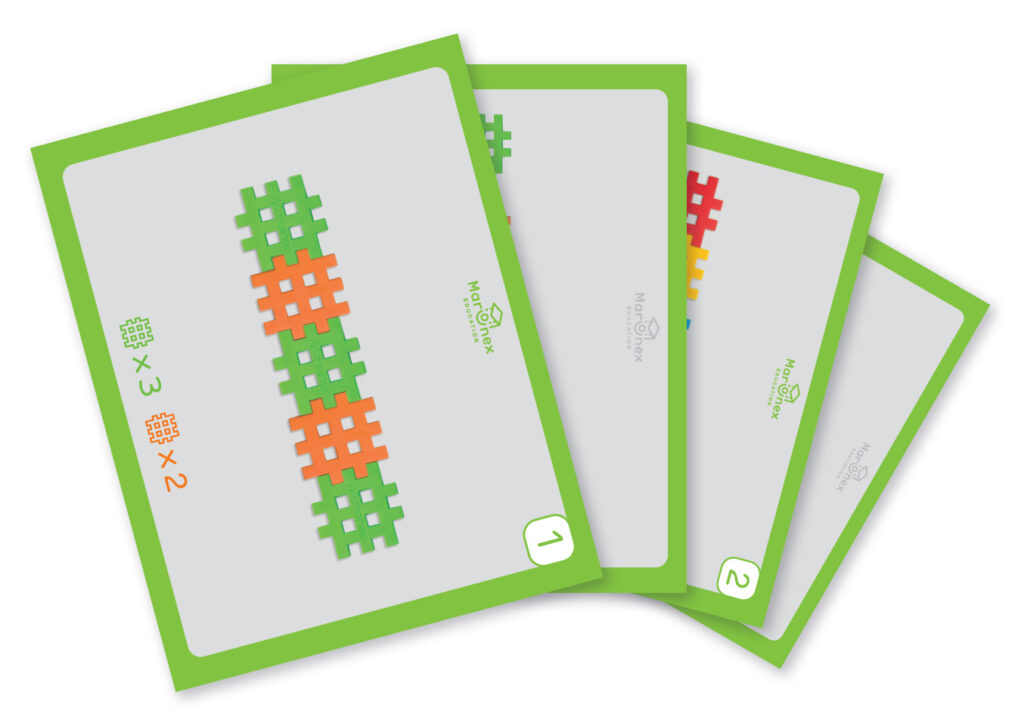
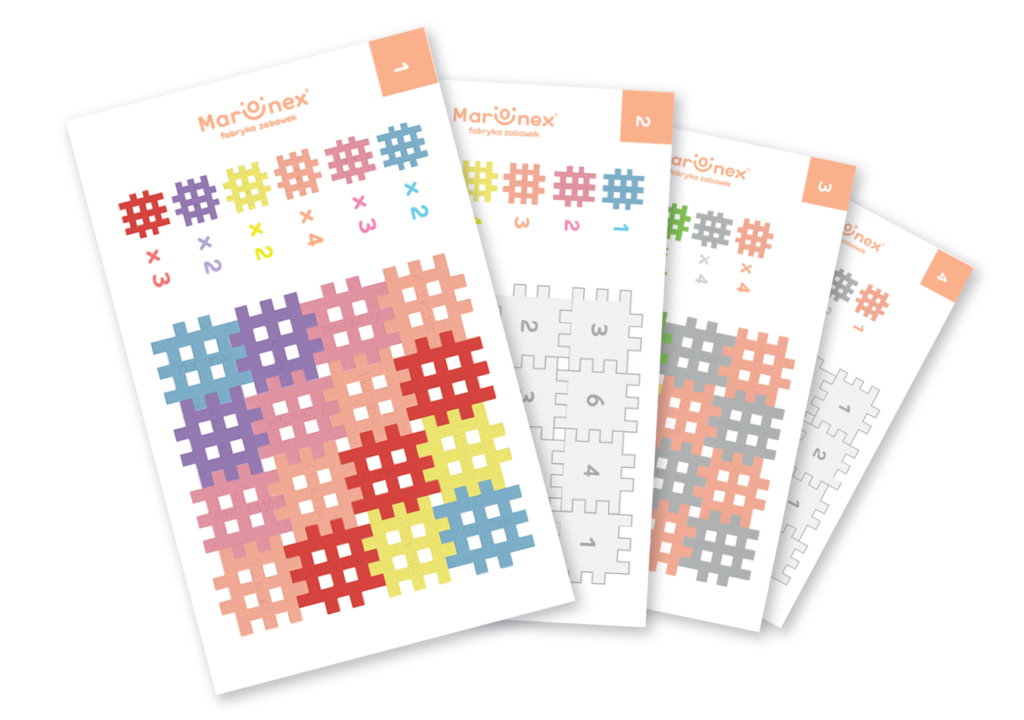
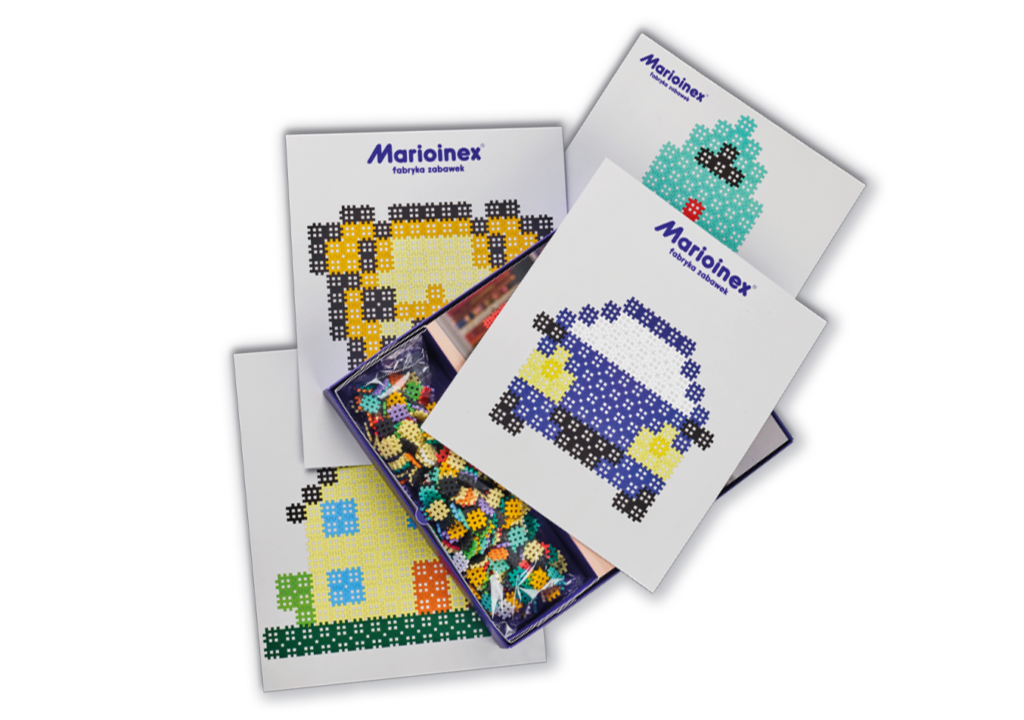
About Marioinex
Marioinex – a Polish family company with tradition and modern production
Marioinex is a family-owned company with a big mission: to inspire children’s imagination through creative play since 1986.
Founded by Halina and Marian Suchanek, the company has grown steadily while remaining true to its roots. Today, several generations of the family – together with a dedicated team – continue to develop new ideas and innovative toys that foster creativity and are guided by what excites children most.
Every year, our toys receive numerous prizes and awards – clear recognition of the quality, innovation, and creativity that go into everything we create.
These awards reflect not only creative excellence, but also the trust of parents, educators, and retail partners.
All of our building blocks are proudly made in Poland. We source our materials locally, staying true to our values of quality and regional production as a family-run company.
Marioinex products can be found at leading national retailers – a sign of the strong market position and trust we have built over the years.


Gallery
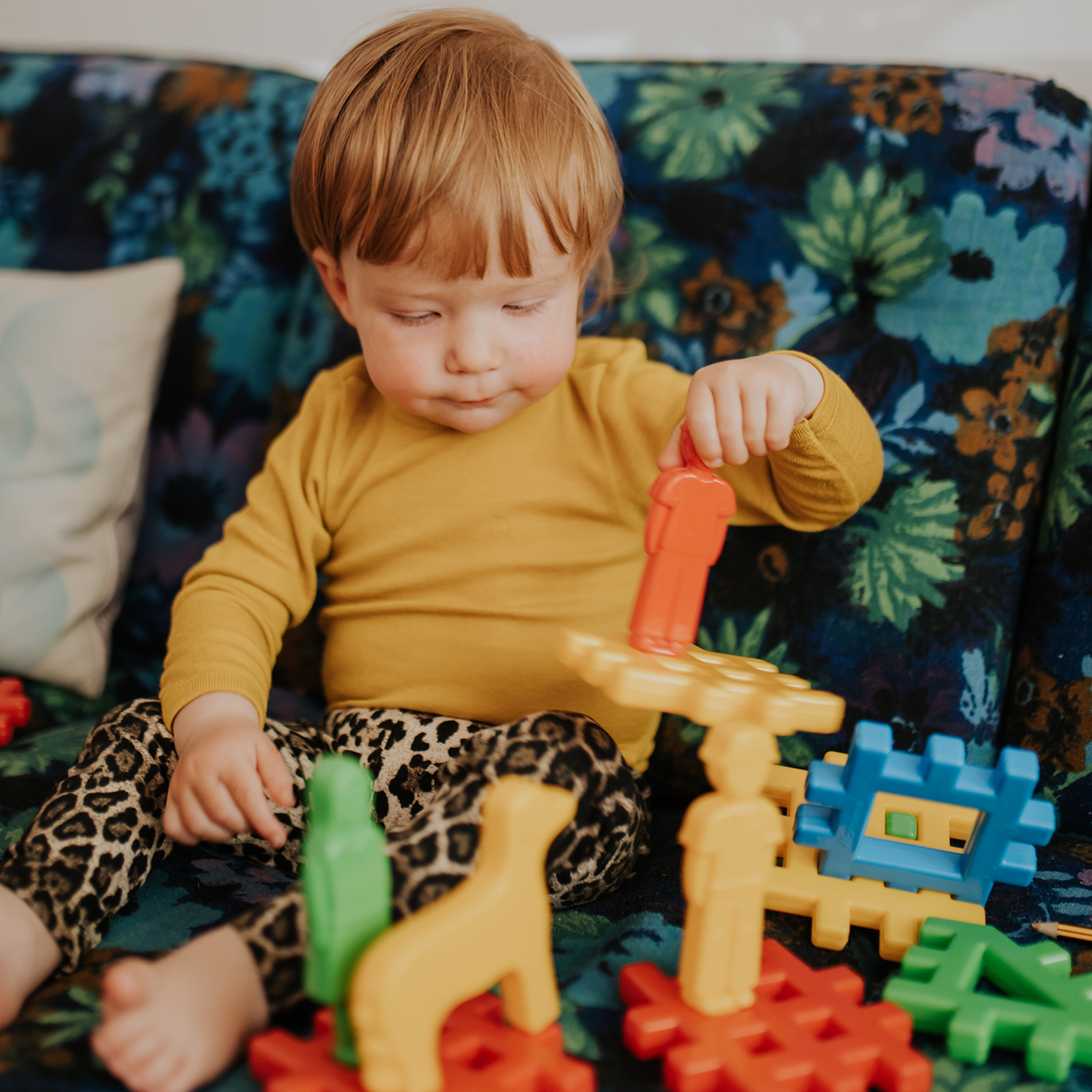
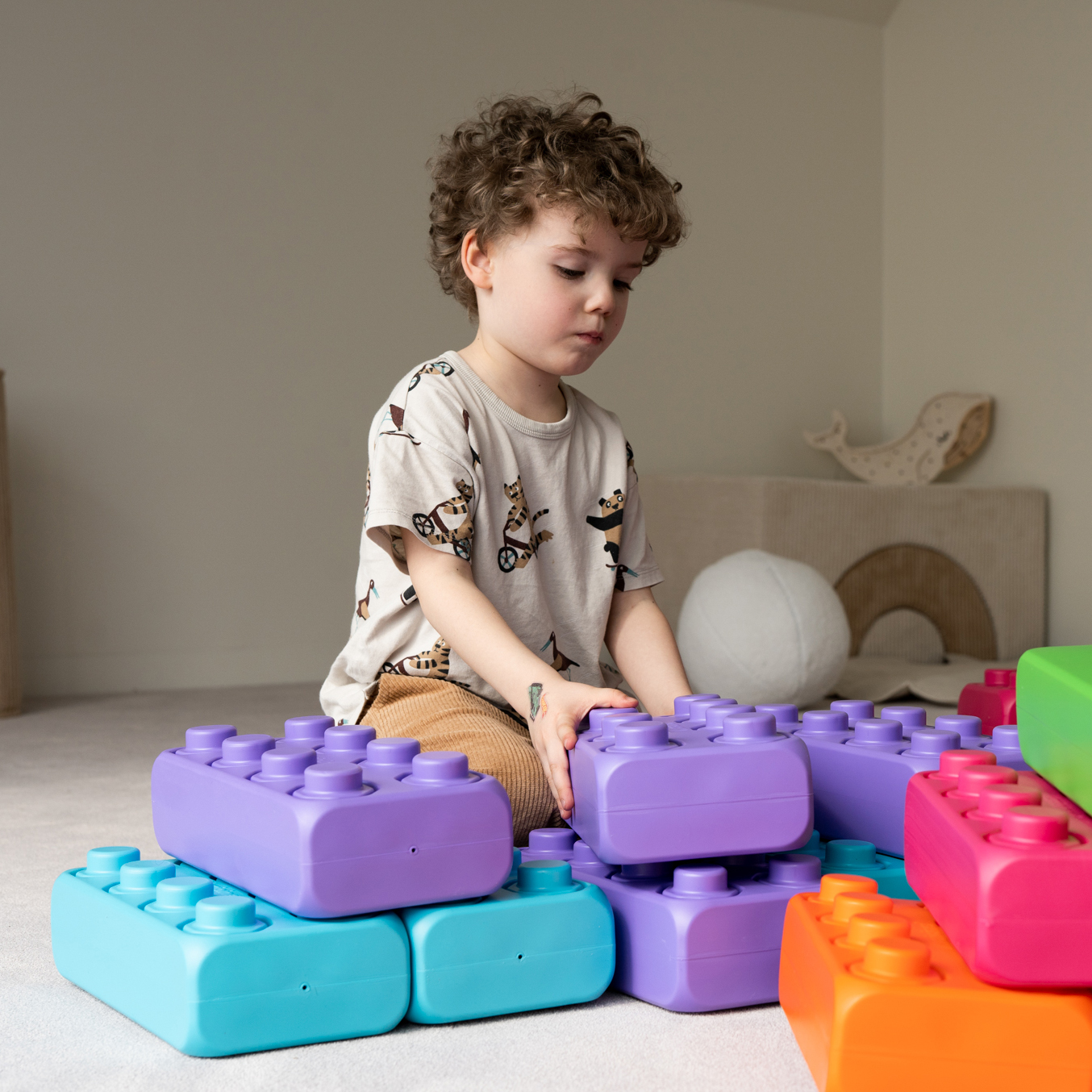
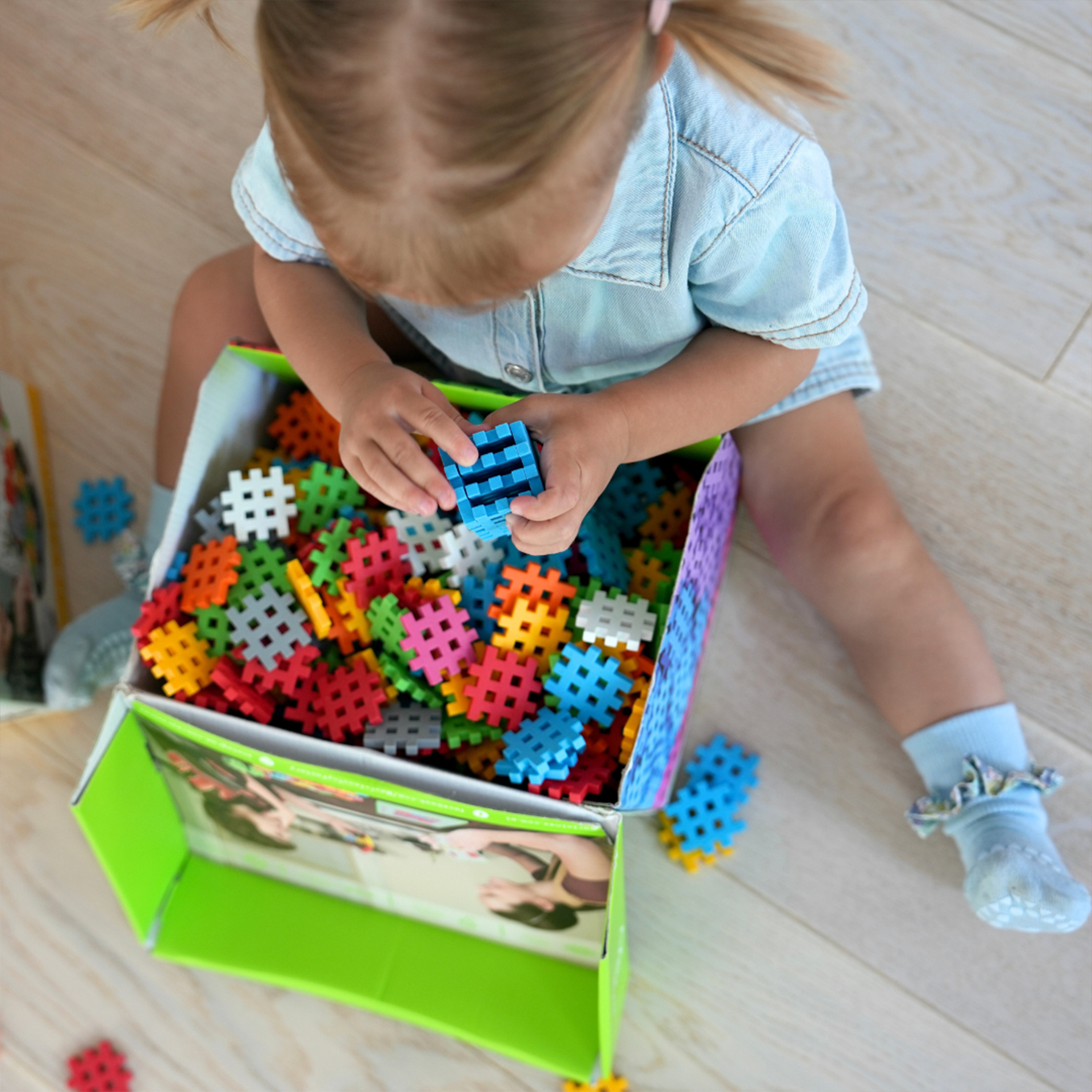
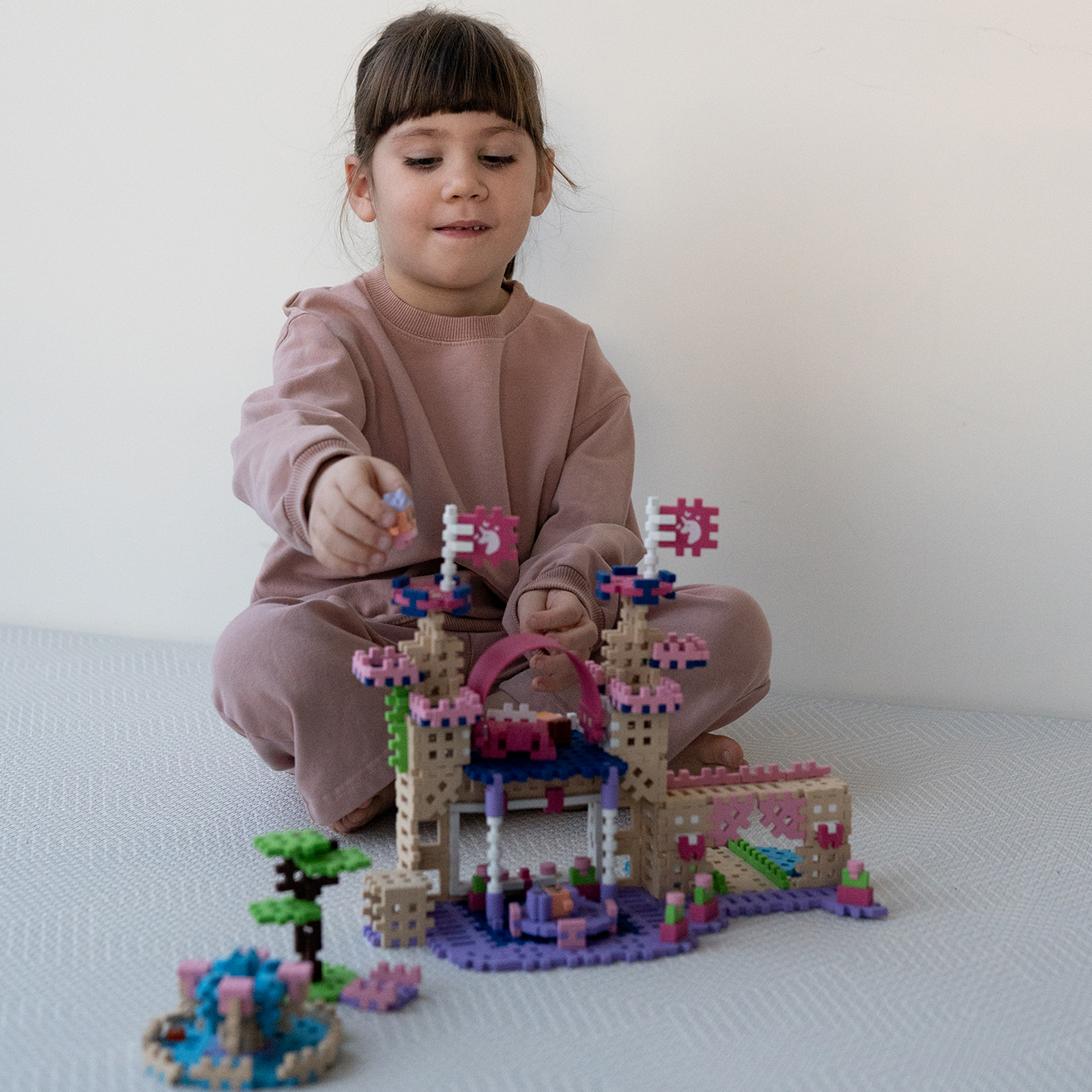
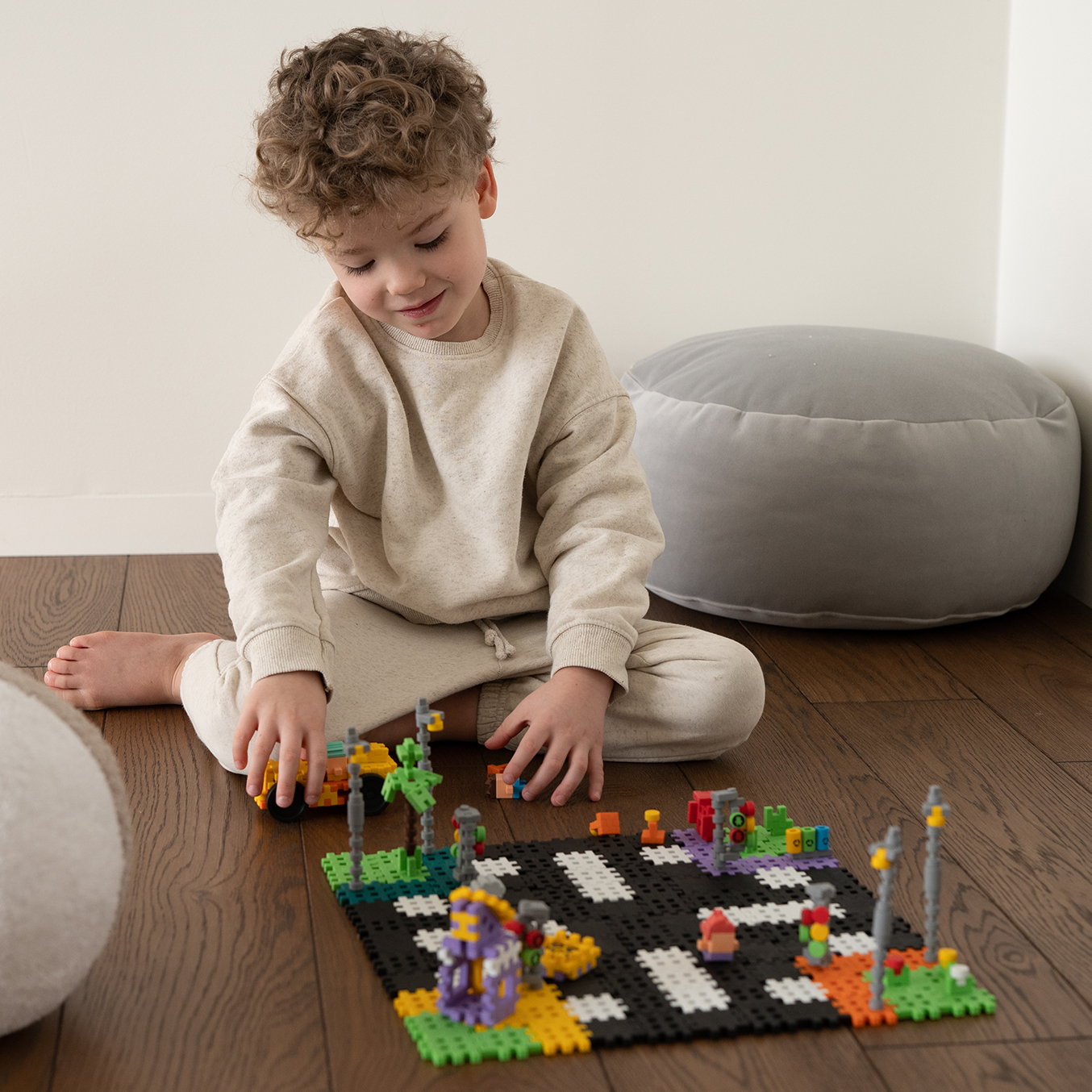
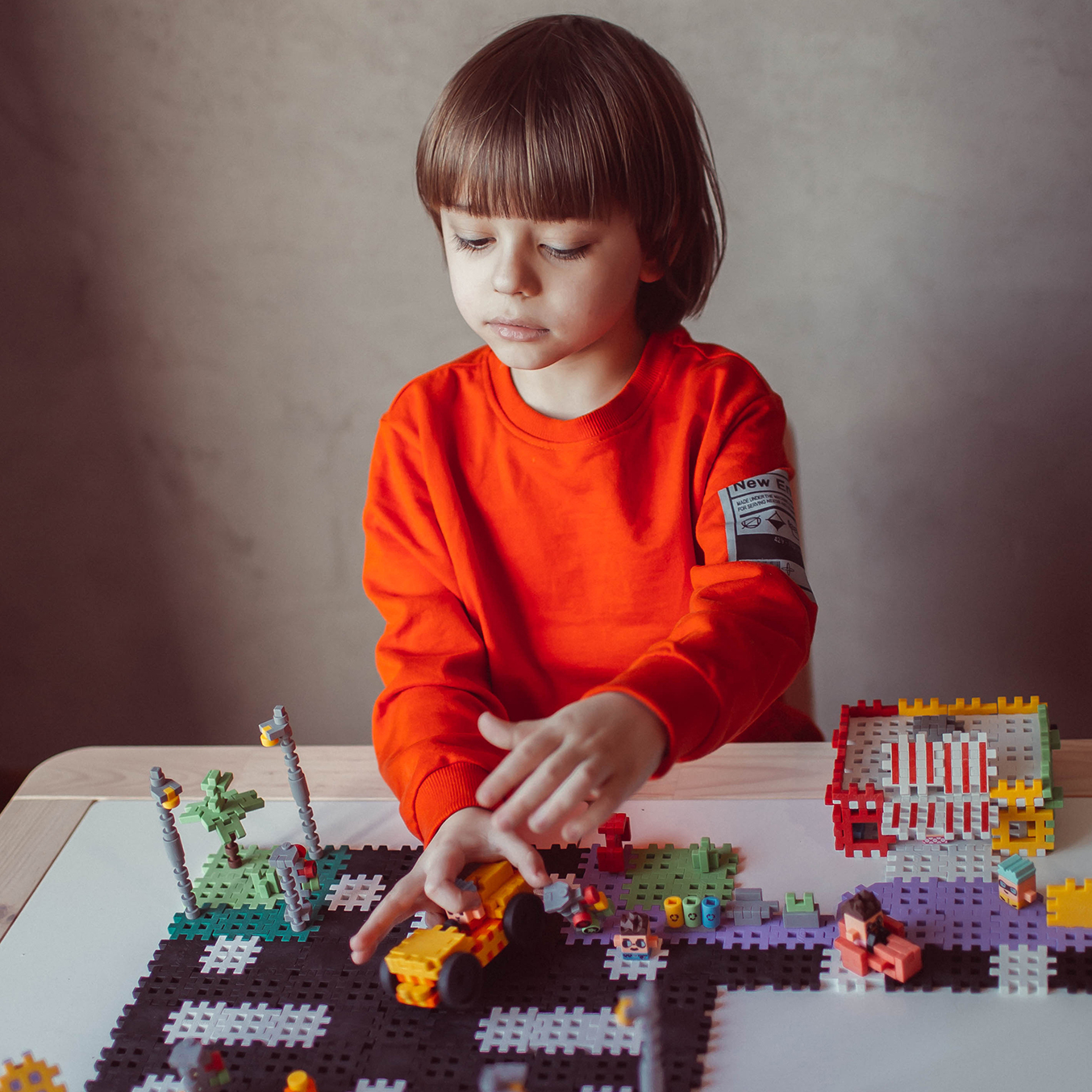
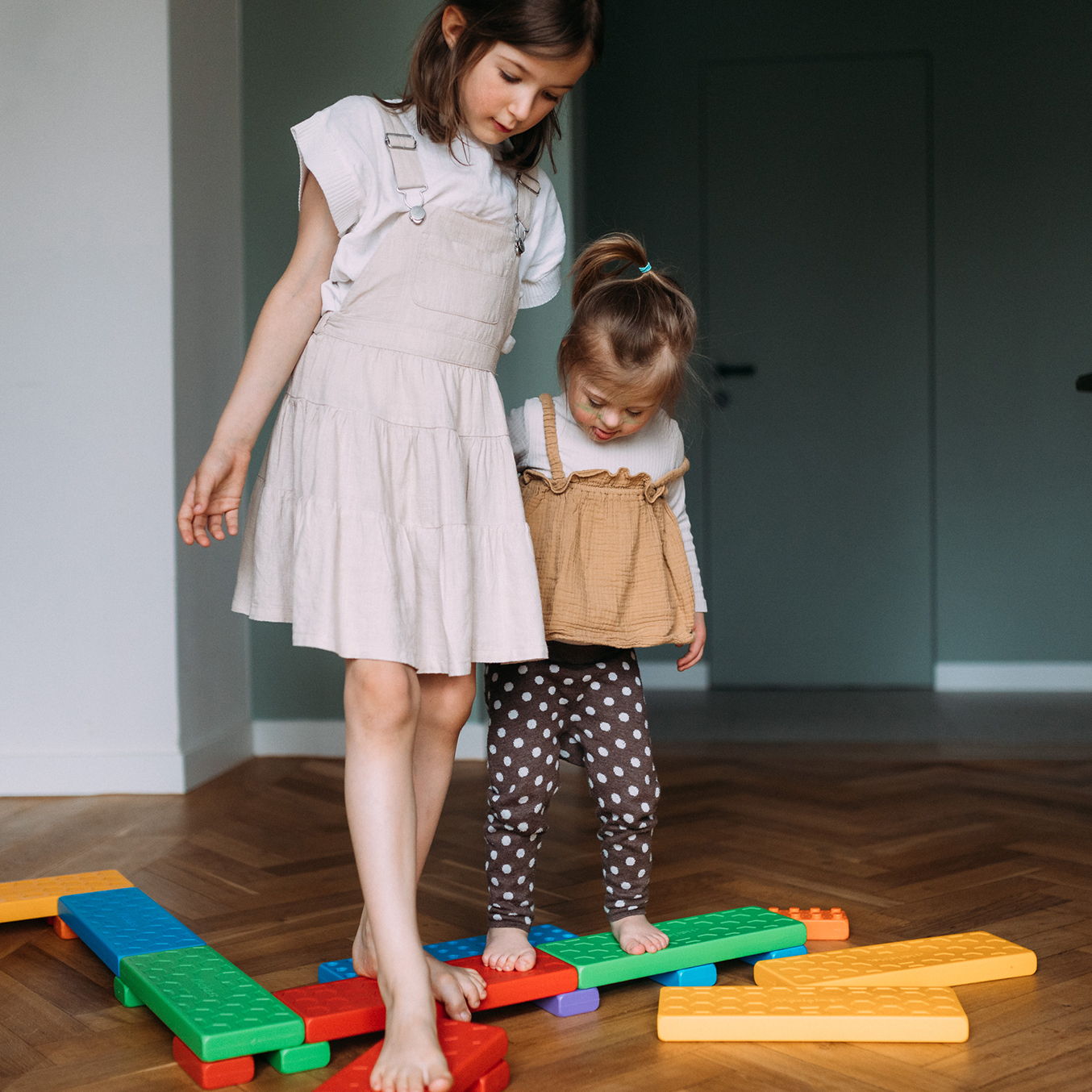
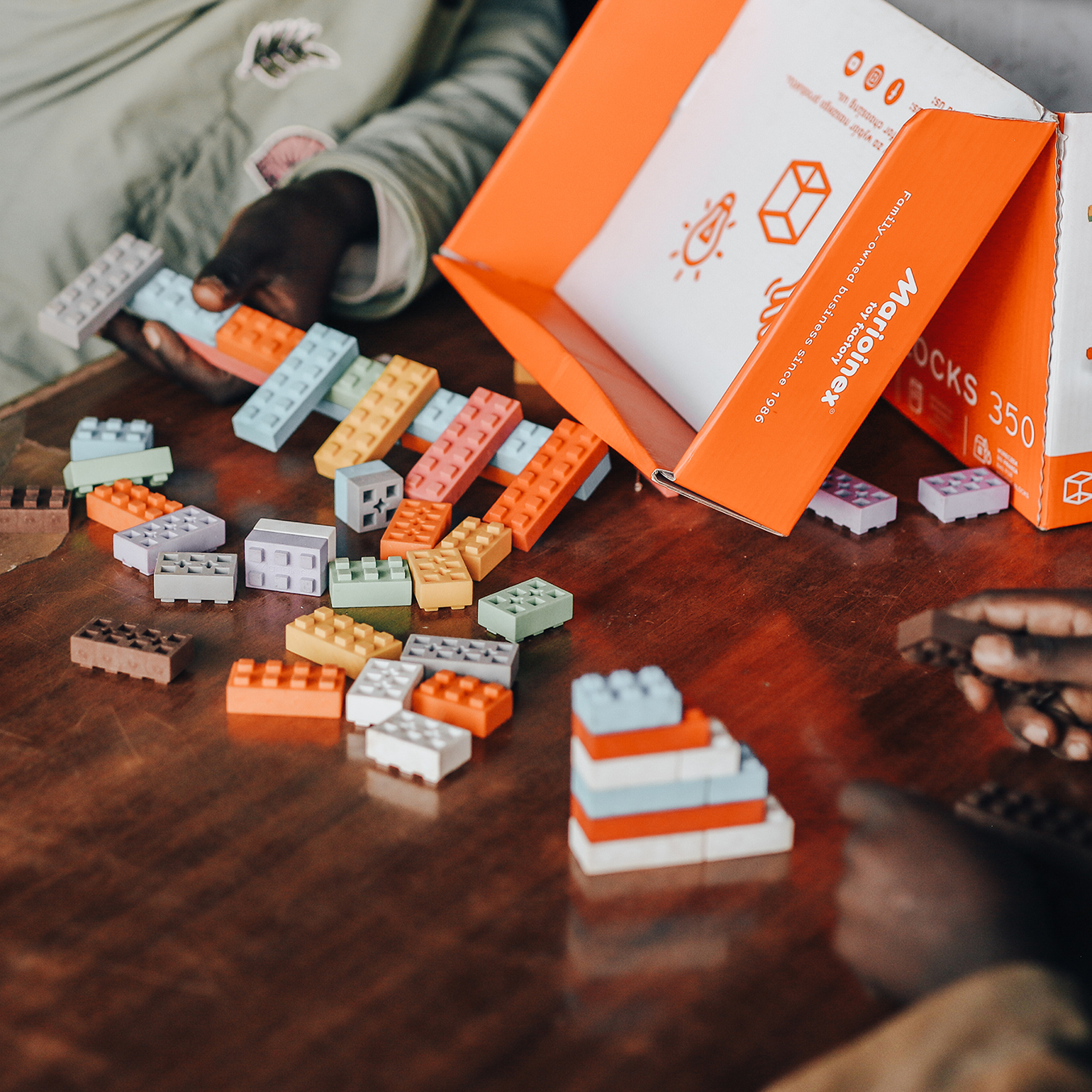
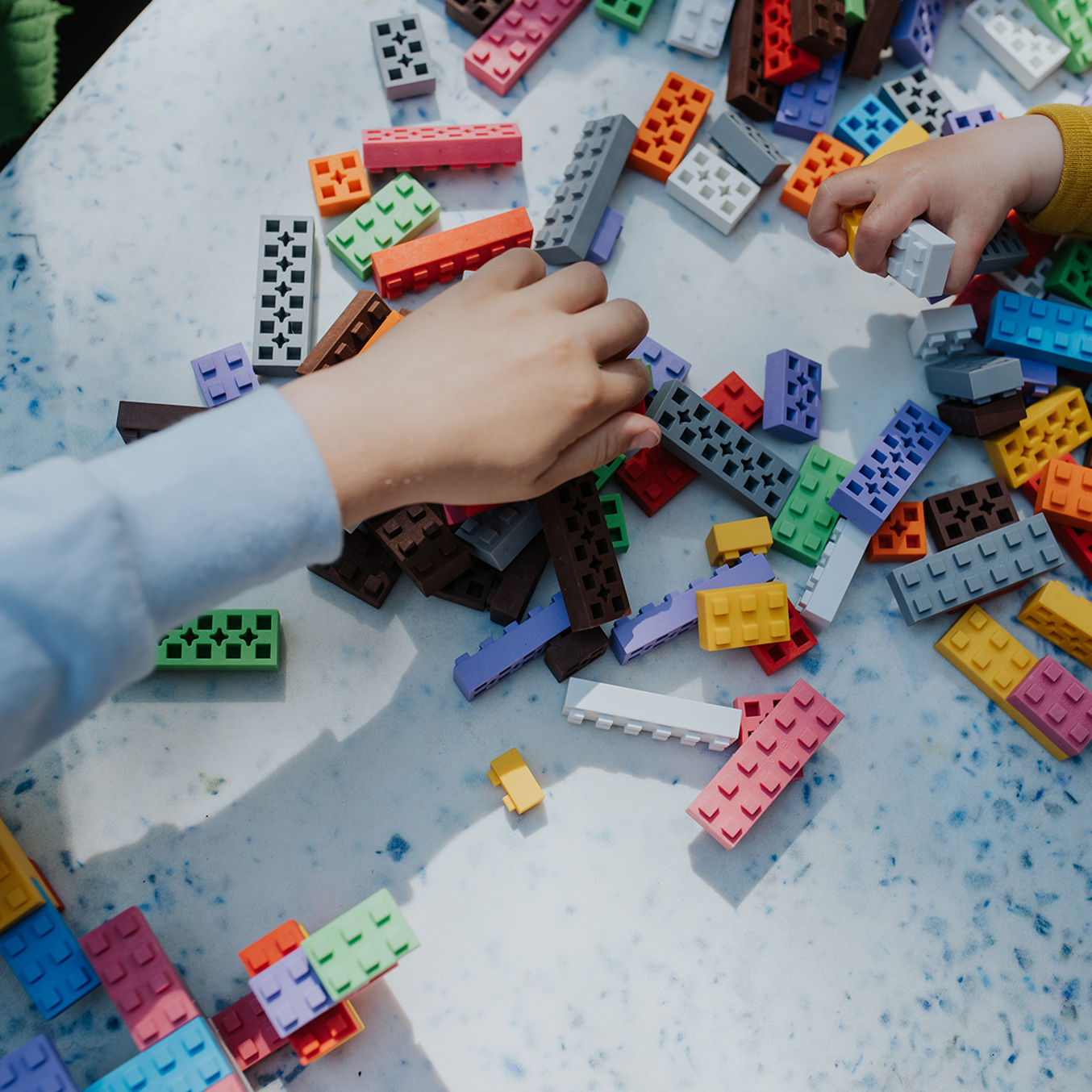
Quality for generations
Aligning with the principles of a closed-loop economy, we strive to enhance the quality of our products, thereby extending their lifespan. Our main goal is to pass products onto the next generations, eradicating the creation of unnecessary waste that can negatively impact the environment. We encourage children, youth, and adults to maintain their toys, creating a tradition of passing them on to the next generation as they naturally outgrow them.
Our blocks boast easy cleaning, dishwasher-safe features, and their superior quality guarantees years of fun. Through this, children learn the value of looking after their toys and refraining from throwing them away. To promote this philosophy, we have launched the „Pass It On” campaign. Additionally, on our website, you can acquire special „Pass It On” bags if you’ve misplaced the original packaging and wish to pass your blocks on to someone else.
Modern Production
We use modern technologies that allow us to create durable toys while operating in a more environmentally responsible way.
Less Waste
Our production process minimizes waste-elements that do not pass quality control are ground and reused to produce new batches of our blocks.
Recyclable Packaging
Our blocks packaging is recyclable and partially made from recycled materials.
Outstanding product reviews
See what people say about Marioinex